
Parliamoci chiaro per un attimo. Lavoriamo nel settore SEO di Shopify da anni e niente ci ha fatto ripensare tutto quanto l'esplosione della ricerca basata sull'intelligenza artificiale nel 2024 e nel 2025.
ChatGPT. Perplessità. Panoramiche sull'IA di Google. Gemini.
Non si tratta più solo di dimostrazioni tecnologiche appariscenti. Ora attingono attivamente al web consigli sui prodotti, confronti tra marchi e indicazioni per gli acquisti, fornendoli agli acquirenti senza che questi debbano mai cliccare su un link per accedere a un negozio.
Ed ecco la scomoda verità in cui ci imbattiamo continuamente quando verifichiamo i negozi Shopify: La maggior parte di essi è completamente invisibile ai motori di ricerca basati sull'intelligenza artificiale. Non perché stiano facendo qualcosa di sbagliato, in realtà. Ma perché sono stati creati per una versione precedente del motore di ricerca e le regole sono cambiate più velocemente di quanto chiunque si aspettasse.
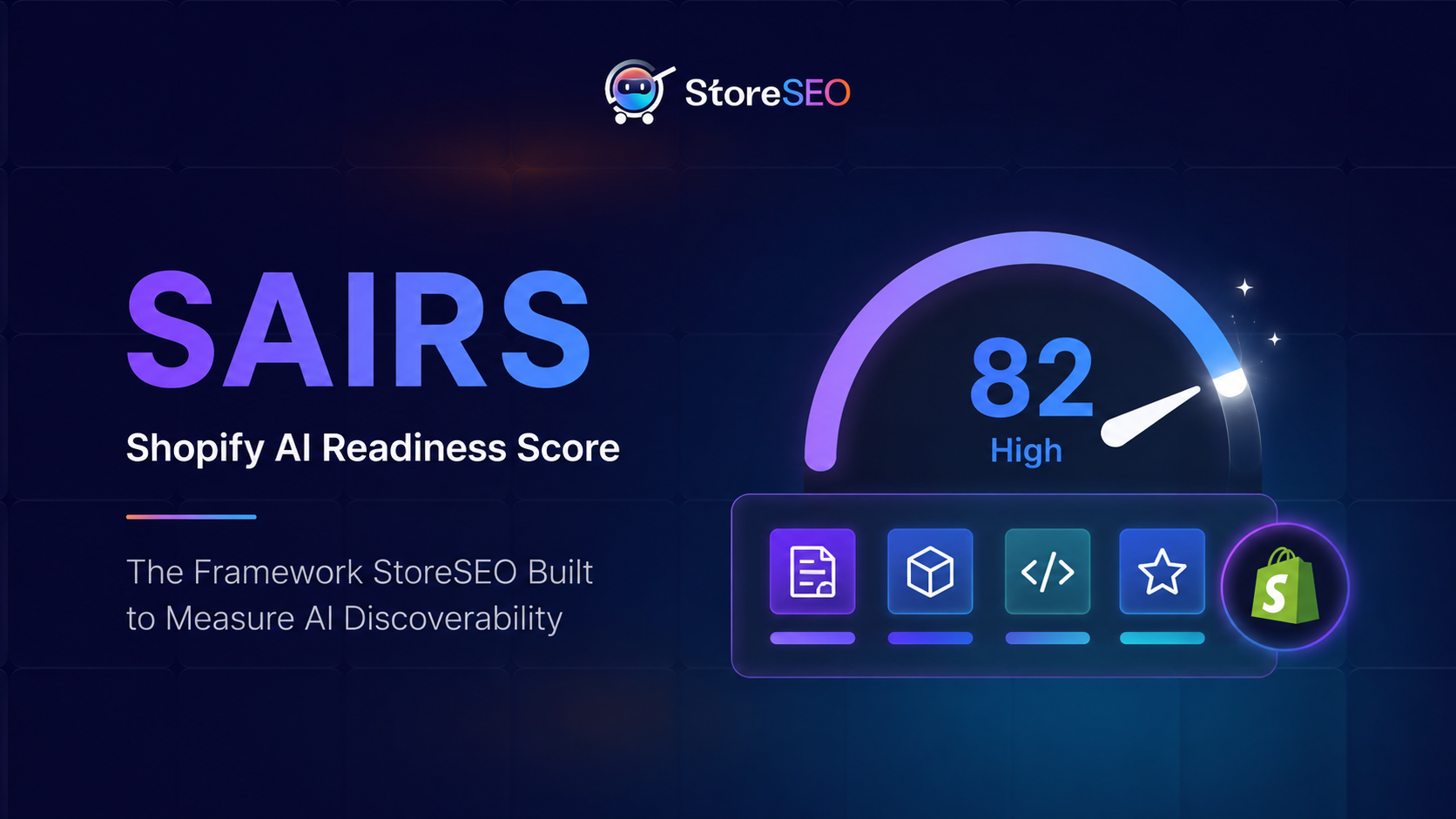
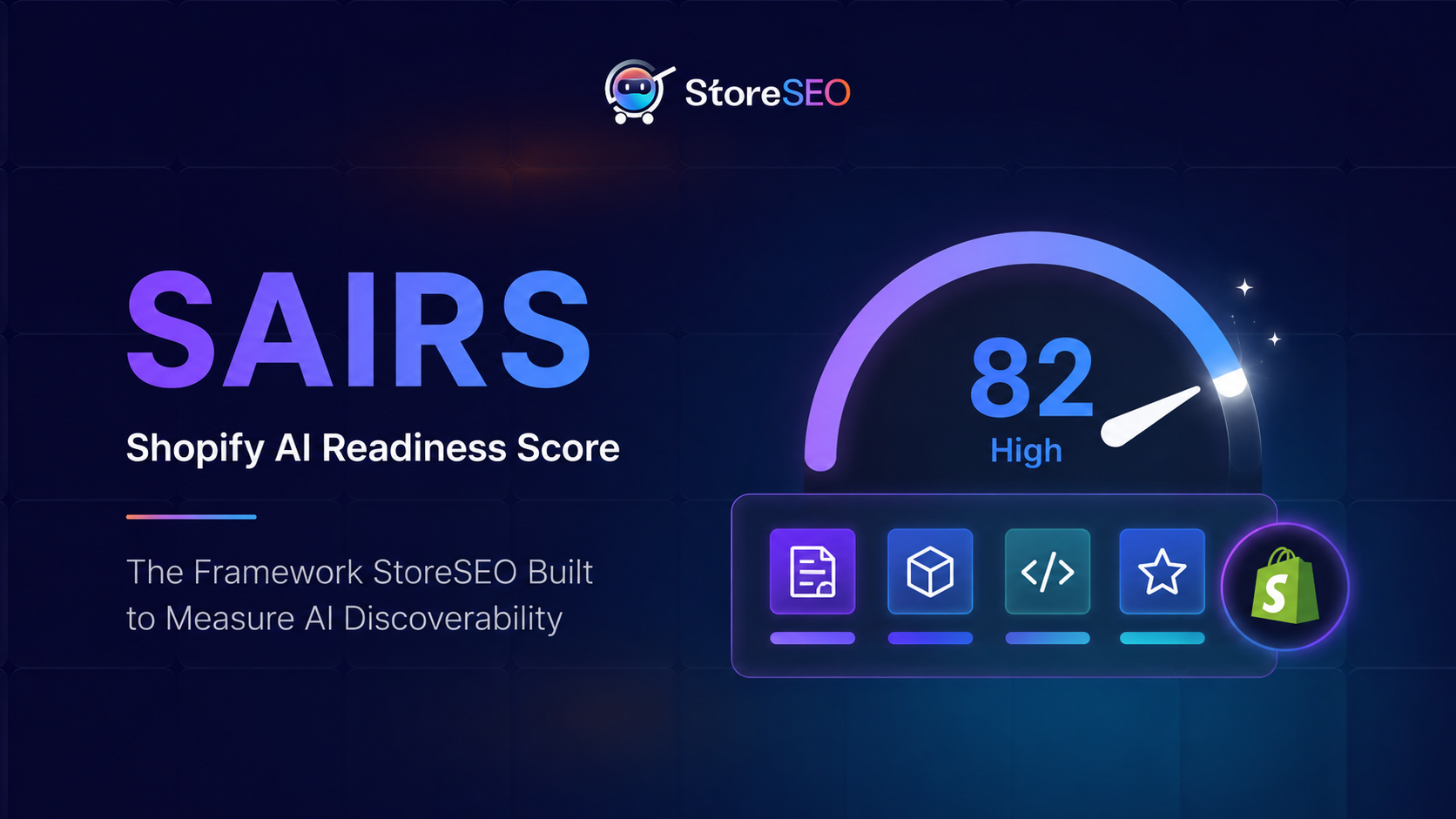
Questa consapevolezza ci ha spinto a creare lo Shopify AI Readiness Score, che chiamiamo SAIRS. Si tratta di un framework diagnostico sviluppato da StoreSEO per misurare oggettivamente quanto un negozio Shopify sia visibile ai sistemi di ricerca basati sull'intelligenza artificiale e per individuare con precisione dove un negozio sta perdendo visibilità senza rendersene conto.
Questo blog analizza nel dettaglio l'intero sistema SAIRS. Cosa misura. Perché è importante. Come funziona. E, soprattutto, cosa puoi fare subito per migliorare il tuo punteggio. Prenditi un caffè. Questo articolo merita la tua massima attenzione.
Sezione 1: Il panorama della ricerca si è silenziosamente trasformato sotto i vostri piedi
SEO tradizionale vs. ricerca basata sull'intelligenza artificiale: cosa è realmente cambiato?
Per molto tempo, SEO significava posizionarsi in prima pagina su Google. Si ricercavano le parole chiave, si ottimizzavano i tag del titolo e le meta descrizioni, si creavano backlink e si sperava che l'algoritmo fosse favorevole. Questo modello ha funzionato abbastanza bene per circa due decenni.
Poi sono arrivate le risposte generate dall'intelligenza artificiale su larga scala. E le regole sono cambiate in un modo che la maggior parte degli operatori di e-commerce non ha ancora pienamente compreso.
Quando qualcuno chiede a ChatGPT: "Quali sono i migliori tappetini da yoga sostenibili sotto i 100 euro?", l'IA non effettua una ricerca per parole chiave nei tag del titolo. Sintetizza le informazioni provenienti dai suoi dati di addestramento e dal web in tempo reale, cercando negozi e prodotti che può consigliare con sicurezza sulla base di segnali di dati strutturati, chiarezza del contenuto, autorevolezza semantica e affidabilità del marchio. In sostanza, si chiede: "Conosco abbastanza bene questo negozio per potermi fidare della mia reputazione nel consigliarlo?".“
La maggior parte dei negozi Shopify non supera questo test senza dare alcun preavviso. Nessuna penalità. Nessun calo nel posizionamento. Semplicemente non compaiono affatto nei risultati generati dall'IA. E poiché non c'è alcuna notifica di ciò che sta accadendo, la maggior parte dei commercianti non ha idea di star perdendo un canale di scoperta completamente nuovo che sta crescendo a un ritmo straordinario.
| Approfondimenti da StoreSEO: Nella nostra analisi di oltre 500 negozi Shopify di diversi settori, meno di 121 TP3T (Total Product Trends) presentavano una profondità di dati strutturati sufficiente per essere citati con sicurezza dalle principali piattaforme di intelligenza artificiale generativa. Gli altri 881 TP3T erano, dal punto di vista della rilevabilità da parte dell'IA, praticamente invisibili. |
Perché le piattaforme di IA generativa necessitano di un diverso tipo di predisposizione per lo store
I motori di ricerca tradizionali classificano le pagine. I motori di intelligenza artificiale generativa raccomandano le entità. Questa distinzione è fondamentale, quasi più di ogni altra cosa, nella SEO per l'e-commerce moderno.
Una "pagina" è un URL con contenuto. Un'"entità" è un concetto ben definito, affidabile e semanticamente ricco, che si tratti di un marchio, una categoria di prodotto, un articolo specifico o un'area di competenza. Quando a Perplexity o Gemini viene chiesto un consiglio su un prodotto, non vengono visualizzati URL, bensì entità di cui ci si fida.
Affinché il tuo negozio Shopify diventi un'entità affidabile agli occhi delle piattaforme di intelligenza artificiale, è necessario che si verifichino contemporaneamente diverse condizioni. I dati dei tuoi prodotti devono essere leggibili e strutturati correttamente dalle macchine. I tuoi contenuti devono dimostrare autorevolezza in materia. I segnali del tuo brand devono comunicare credibilità. La tua infrastruttura tecnica deve essere sufficientemente pulita da consentire ai crawler di intelligenza artificiale di ingerire ed elaborare i dati in modo efficiente.
Non si tratta di una lista di controllo di una o due cose. È un profilo di preparazione multidimensionale. Ecco perché avevamo bisogno di un framework di punteggio per catturarlo correttamente. Se vuoi una comprensione di base di come l'IA si interseca con l'ottimizzazione della ricerca moderna, il nostro post su Nozioni di base sulla SEO basata sull'intelligenza artificiale è un ottimo punto di partenza prima di approfondire SAIRS.
Sezione 2: Presentazione di SAIRS – Il punteggio di predisposizione all'intelligenza artificiale di Shopify
Cos'è SAIRS e perché l'abbiamo creato?
SAIRS è l'acronimo di Shopify AI Readiness Score. Si tratta di un framework diagnostico composito sviluppato dal team di StoreSEO per misurare il livello di preparazione di un negozio Shopify a essere scoperto, citato e raccomandato da piattaforme di ricerca basate sull'intelligenza artificiale e motori di risposta generativa.
L'abbiamo creato perché continuavamo a scontrarci con lo stesso problema nelle conversazioni con i clienti. I commercianti ci chiedevano perché il traffico proveniente dalle piattaforme di intelligenza artificiale fosse inesistente, e noi non avevamo un'unica metrica chiara a cui fare riferimento. I tradizionali strumenti di audit SEO non erano progettati per rispondere a questa domanda. Potevano dirti se i tuoi meta titoli erano ottimizzati o se avevi link interrotti. Ma non potevano dirti se ChatGPT avrebbe consigliato il tuo negozio a qualcuno che cercava un prodotto che vendevi.
Abbiamo quindi creato SAIRS per colmare questa lacuna. Sintetizza i segnali provenienti da sei pilastri fondamentali in un unico punteggio da 0 a 100, offrendo ai commercianti un parametro di riferimento chiaro e una tabella di marcia prioritaria per il miglioramento.
Intervallo di punteggio SAIRS: cosa significa realmente il tuo numero
| Punto | Stato | Cosa significa |
| 0 – 25 | IA invisibile | Il tuo negozio presenta delle lacune critiche. I motori di intelligenza artificiale non sono in grado di individuarlo o consigliarlo con sicurezza. |
| 26 – 50 | Parzialmente visibile | Alcuni segnali sono presenti ma incoerenti. Il tuo nome compare occasionalmente nei risultati dell'IA, ma senza autorevolezza. |
| 51 – 75 | IA rilevabile | Ottima preparazione di base. Sei presente nelle query di IA pertinenti, ma hai ancora margine per diventare una fonte preferenziale. |
| 76 – 100 | Autorità dell'IA | Il tuo negozio è un'entità fidata dall'IA. I motori generativi ti raccomandano e ti citano con sicurezza nelle ricerche pertinenti. |
Sezione 3: I sei pilastri del quadro di riferimento SAIRS
Ed è qui che la cosa si fa davvero interessante. SAIRS non è una valutazione basata su un singolo fattore. Valuta sei pilastri distinti, ognuno dei quali rappresenta una diversa dimensione della reperibilità dell'IA. Pensateli come le sei cose che un sistema di IA generativa deve essere in grado di fare con il vostro negozio prima di poterlo consigliare con sicurezza.
| Pilastro | Segnali secondari | Punti massimi | Peso |
| Profondità dei dati strutturati | Tipi di schema, annidamento, completezza | 25 | 25% |
| Semantica dei contenuti | Copertura delle entità, chiarezza NLP, autorevolezza dell'argomento | 20 | 20% |
| Segnali EEAT | Autorevolezza, fiducia nel marchio, citazioni | 20 | 20% |
| Indicizzabilità tecnica | Velocità della pagina, Core Web Vitals, indicizzabilità | 15 | 15% |
| Corrispondenza della query conversazionale | Linguaggio naturale, FAQ, predisposizione vocale | 10 | 10% |
| Ricchezza dei dati del prodotto | Varianti, specifiche, prezzi, disponibilità | 10 | 10% |
Pilastro 1: Profondità dei dati strutturati (25 punti)
Questo è il pilastro più importante in assoluto nel modello SAIRS, e non c'è paragone con gli altri. Perché? I dati strutturati sono il linguaggio principale attraverso cui i sistemi di intelligenza artificiale comprendono cosa vende il tuo negozio, come i tuoi prodotti sono correlati tra loro e quale contesto circonda il tuo marchio.
Quando valutiamo la profondità dei dati strutturati, prendiamo in considerazione diverse dimensioni. Innanzitutto, la copertura dei tipi di schema: il tuo negozio implementa gli schemi Product, Organization, BreadcrumbList, FAQPage e Review? In secondo luogo, la qualità dell'annidamento: le implementazioni degli schemi sono semplici e minimali o includono attributi annidati come offerte, aggregateRating, disponibilità e brand? In terzo luogo, la completezza: tutti i campi obbligatori e consigliati sono compilati o ci sono lacune evidenti nel markup?
Lo vediamo costantemente nel nostro Analisi SEO di ShopifyI negozi con schemi incompleti vengono scartati dalle piattaforme di intelligenza artificiale a favore di concorrenti che dispongono di dati strutturati più ricchi, anche quando il prodotto concorrente è oggettivamente inferiore. L'IA non sa quale prodotto sia migliore dal punto di vista umano. Raccomanda ciò che riesce a comprendere con sicurezza.
| Nota sull'implementazione dello schema: Gli strumenti di markup schema integrati di StoreSEO generano e inseriscono automaticamente gli schemi per Prodotto, Organizzazione, Elenco di breadcrumb e Recensioni nel tuo negozio Shopify. Il nostro livello di dati strutturati è progettato specificamente per soddisfare gli standard di completezza richiesti dalle piattaforme di intelligenza artificiale, non solo i criteri di convalida di base di Google. |
Per un'analisi dettagliata di come i rich snippet interagiscono con i dati strutturati, consigliamo di leggere la nostra analisi approfondita di Snippet di prodotto avanzati per Shopify, che illustra i dettagli esatti di implementazione che contribuiscono a questo pilastro.
Pilastro 2: Semantica dei contenuti (20 punti)
I dati strutturati indicano ai sistemi di intelligenza artificiale quali sono i tuoi prodotti. La semantica dei contenuti, invece, spiega di cosa tratta il tuo negozio e se possiedi una reale autorevolezza in quel settore. Questo pilastro valuta la ricchezza semantica dei contenuti delle tue pagine, dalle descrizioni dei prodotti alle pagine delle collezioni, fino a qualsiasi articolo del blog pubblicato dal tuo negozio.
La qualità semantica dei contenuti nel framework SAIRS si articola in tre sottodimensioni. La copertura delle entità misura se il contenuto menziona e contestualizza le entità rilevanti nella categoria di riferimento, come materiali, casi d'uso, confronti con la concorrenza, tipologie di utenti e categorie di prodotti correlate. La chiarezza NLP valuta se le frasi sono strutturate in modo che i sistemi di elaborazione del linguaggio naturale possano analizzarle correttamente ed estrarne il significato. La profondità dell'autorevolezza tematica valuta se il contenuto dimostra una reale competenza o si limita alla ripetizione di parole chiave.
Il cambiamento che l'intelligenza artificiale ha imposto alla strategia dei contenuti è sottile ma profondo. Scrivere puntando sulla densità delle parole chiave era un tempo efficace. Nell'era dell'IA, ciò che conta è scrivere puntando sulla completezza delle informazioni. Una descrizione di prodotto che menziona il materiale, il processo di produzione, l'utilizzo ideale, le specifiche delle dimensioni, le istruzioni per la cura e il confronto con le alternative è semanticamente più ricca di una generica descrizione di cinque frasi.
Un'area del contenuto semantico spesso trascurata è SEO della pagina del prodotto, dove le regole e gli errori da evitare nella scrittura delle descrizioni hanno un impatto diretto sul modo in cui i sistemi di intelligenza artificiale interpretano e classificano i prodotti. Abbiamo scritto ampiamente su questo argomento e gli schemi sono molto coerenti tra le diverse tipologie di negozi.
Pilastro 3: Segnali EEAT (20 punti)
EEAT è l'acronimo di Esperienza, Competenza, Autorevolezza e Affidabilità. Google ha introdotto questo framework come linea guida per la valutazione della qualità, ma la sua rilevanza si estende direttamente al modo in cui i sistemi di intelligenza artificiale valutano la credibilità delle fonti da cui attingono. Un'IA generativa che consiglia il tuo negozio, di fatto, basa la propria credibilità sull'affermazione che tu sia affidabile. Lo farà solo se sarà in grado di verificare un numero sufficiente di segnali di fiducia.
Per i negozi Shopify, i segnali EEAT si concentrano su alcune aree chiave. L'autorevolezza del marchio è dimostrata da informazioni NAP (nome, indirizzo, telefono) coerenti, completezza del profilo Google My Business e menzioni su fonti esterne autorevoli. I segnali di autorevolezza e competenza provengono dalle pagine "Chi siamo", dalle credenziali del team e dai contenuti che dimostrano una reale conoscenza del prodotto. I segnali di riprova sociale includono la quantità e la qualità delle recensioni e la presenza di piattaforme di recensioni di terze parti verificate.
Molti commercianti non capiscono che EEAT non si basa solo sulle recensioni. Un negozio con 500 recensioni generiche a cinque stelle e senza una pagina "Chi siamo" sostanziosa spesso ottiene un punteggio inferiore su EEAT rispetto a un negozio con 80 recensioni dettagliate, una storia del marchio ben scritta e alcune menzioni in pubblicazioni di settore pertinenti. La profondità dei segnali di fiducia è più importante della quantità di segnali superficiali.
| Consiglio da professionisti di StoreSEO: Assicurati che il tuo negozio Shopify abbia una pagina "Chi siamo" completa che menzioni la storia della tua fondazione, la tua esperienza nella categoria di prodotti, il tuo team (ove applicabile) e qualsiasi articolo o riconoscimento ricevuto. Questa pagina è uno degli investimenti EEAT più efficaci che tu possa fare e richiede meno di due ore per essere realizzata correttamente. |
Pilastro 4: Infiltrabilità tecnica (15 punti)
Anche il negozio più ricco di informazioni semantiche e strutturato al mondo otterrà un punteggio pari a zero in termini di reperibilità da parte dell'IA se l'infrastruttura tecnica impedisce ai crawler di IA di accedere ed elaborare i contenuti in modo efficiente. Questo pilastro valuta le basi tecniche che influenzano la facilità con cui i sistemi di IA possono indicizzare e comprendere il tuo negozio.
I principali indicatori tecnici in questo ambito includono le prestazioni dei Core Web Vitals, in particolare Largest Contentful Paint e Cumulative Layout Shift, che influenzano l'affidabilità con cui i crawler basati sull'IA riescono a visualizzare ed estrarre il contenuto delle pagine. La completezza e l'accuratezza della sitemap sono di fondamentale importanza: una sitemap XML pulita e regolarmente aggiornata aiuta i sistemi di IA a comprendere l'intera portata dei contenuti del tuo negozio.
La velocità di caricamento delle pagine merita una menzione speciale. Oltre al suo impatto sull'esperienza utente e sul posizionamento tradizionale, le pagine lente hanno maggiori probabilità di essere abbandonate per timeout dai crawler basati sull'IA, il che significa che il tuo contenuto non viene mai elaborato. La nostra guida a Ottimizzazione della velocità di Shopify Il documento illustra gli interventi tecnici specifici che fanno la differenza in termini di scalabilità, molti dei quali sono direttamente rilevanti per il punteggio tecnico SAIRS.
Tuo Mappa del sito eCommerce Anche questo è un fattore sorprendentemente importante. Una sitemap accurata e ben strutturata aiuta i crawler basati sull'intelligenza artificiale a navigare in modo efficiente nell'intero catalogo prodotti, aspetto fondamentale per i negozi con un ampio inventario. Se non hai mai riflettuto attentamente sulla struttura della tua sitemap, questo è il momento giusto per iniziare.
Pilastro 5: Adeguatezza della query conversazionale (10 punti)
Questo è l'aspetto che coglie più di sorpresa i commercianti, perché richiede di pensare ai propri contenuti attraverso la lente delle domande in linguaggio naturale piuttosto che delle frasi chiave. Quando qualcuno utilizza un assistente vocale o digita una domanda completa in ChatGPT, la struttura della query è fondamentalmente diversa da una query di ricerca tradizionale.
Invece di "tappetino da yoga in cotone biologico", una query tipica dell'era dell'IA si presenta così: "Qual è il miglior tappetino da yoga in cotone biologico per lezioni di hot yoga a meno di 100 euro con spedizione rapida?". Il tuo negozio deve avere contenuti che rispondano in modo naturale a questo tipo di domande, perché è proprio a questo che i sistemi di IA cercano di corrispondere quando generano raccomandazioni.
Lo schema FAQ è uno dei modi più diretti per ottimizzare l'adattamento delle query conversazionali. Quando contrassegni le domande e le risposte reali dei clienti utilizzando lo schema FAQPage, stai essenzialmente pre-rispondendo ai tipi di domande che i sistemi di intelligenza artificiale vengono poste sulla tua categoria di prodotti. Abbiamo una guida dettagliata su come Lo schema FAQ amplifica la tua SEO che copre in modo approfondito l'aspetto dell'implementazione.
Anche la predisposizione alla ricerca vocale viene valutata qui. Se vuoi capire come strutturare i contenuti per la scoperta basata sulla voce, il nostro post su ottimizzazione per la ricerca vocale Fornisce un quadro pratico che si allinea direttamente a ciò che misuriamo in questo pilastro.
Pilastro 6: Ricchezza dei dati di prodotto (10 punti)
L'ultimo pilastro valuta la completezza dei dati grezzi delle schede prodotto. Può sembrare banale, ma il livello di dettaglio necessario per ottenere un buon punteggio va ben oltre ciò che la maggior parte dei venditori considera durante la configurazione dei prodotti. I sistemi di intelligenza artificiale che consigliano prodotti non devono sapere solo cos'è il prodotto, ma ogni aspetto relativo alle sue specifiche, disponibilità e idoneità.
La completezza dei dati di prodotto nel framework SAIRS valuta la completezza delle varianti, ovvero se tutte le opzioni di taglia, colore e materiale sono chiaramente etichettate con i relativi indicatori di disponibilità. Esamina la profondità delle specifiche, verificando se sono state incluse dimensioni, peso, materiali, informazioni sulla compatibilità e istruzioni per la cura, ove pertinenti. Controlla inoltre che prezzi e disponibilità siano rappresentati accuratamente nei dati strutturati, e non solo sulla pagina.
Per i negozi con cataloghi di grandi dimensioni, l'arricchimento manuale dei dati di prodotto non è realistico. È qui che gli strumenti di ottimizzazione in blocco di StoreSEO diventano davvero efficaci. strumenti per la modifica in blocco della descrizione dei prodotti ti consentono di migliorare sistematicamente la ricchezza dei dati di prodotto in tutto il tuo catalogo senza dover dedicare centinaia di ore a modifiche individuali.
Sezione 4: Anatomia di un negozio Shopify invisibile all'IA
Vogliamo essere precisi, perché riteniamo che sia davvero utile identificare con esattezza gli schemi ricorrenti nei negozi con un basso punteggio SAIRS. Se riconoscete il vostro negozio in una qualsiasi di queste descrizioni, si tratta di un'informazione preziosa.
Modello 1: Il negozio di schemi minimali
Questo è di gran lunga lo schema più comune. Il negozio ha alcuni dati strutturati, di solito solo lo schema base del prodotto che Shopify genera di default, ma è minimo e poco popolato. L'oggetto offerta è mancante o incompleto. Non è presente il markup aggregateRating. Lo schema Organization non esiste. Il markup BreadcrumbList è assente dalle pagine delle collezioni.
Dal punto di vista della reperibilità tramite intelligenza artificiale, questo negozio è come un biglietto da visita con solo il nome, ma senza numero di telefono, sito web, indirizzo o descrizione. Ci sono informazioni sufficienti per registrarlo come esistente, ma non abbastanza perché un'IA possa consigliarlo con sicurezza a qualcuno.
Modello 2: Il negozio di descrizioni pieno di parole chiave
Questo negozio ha investito nei contenuti, ma questi sono stati scritti per una versione di SEO precedente all'avvento dell'intelligenza artificiale. Le descrizioni dei prodotti sono piene di varianti di parole chiave, ma carenti di informazioni concrete sui singoli prodotti. Non è presente una sezione FAQ. Non ci sono elementi che permettano di confrontare i prodotti. Le descrizioni non rispondono alle domande in linguaggio naturale che i veri acquirenti si pongono.
Questi negozi spesso ottengono un buon posizionamento nei risultati di ricerca tradizionali perché la densità delle parole chiave contribuisce comunque alla corrispondenza con le query. Tuttavia, nel framework SAIRS, ottengono punteggi molto bassi in termini di pertinenza delle query conversazionali e semantica dei contenuti, il che significa che i sistemi di intelligenza artificiale non possono utilizzarli con sicurezza come fonti di risposta.
Schema 3: Il negozio tecnicamente bloccato
Questo è uno schema difficile da diagnosticare perché il commerciante ha spesso fatto molto lavoro di SEO, ma problemi tecnici impediscono che gran parte di esso dia i suoi frutti. I colpevoli più comuni includono tempi di caricamento delle pagine lenti causati da immagini non ottimizzate, una sitemap mal strutturata a cui mancano i prodotti o problemi di budget di crawling che lasciano parti del catalogo non indicizzate. Il nostro post su problemi SEO comuni di Shopify Affronta molti di questi problemi fornendo indicazioni specifiche per la risoluzione.
L'ottimizzazione delle immagini è un fattore sorprendentemente importante in questo caso. Le immagini di grandi dimensioni e non compresse creano pagine lente che i crawler basati sull'IA tendono a declassare. Se non hai ancora affrontato questo problema, la nostra guida a ottimizzazione delle immagini per Shopify Vale la pena leggerlo insieme alla checklist dei pilastri tecnici di SAIRS.
Modello 4: Il negozio di aspirapolvere di fiducia
Questo negozio offre buoni prodotti e un'infrastruttura tecnica discreta, ma è praticamente privo di segnali EEAT. Non esiste una pagina "Chi siamo" degna di nota. Le recensioni sono scarse o assenti dai dati strutturati. Non ci sono citazioni esterne o menzioni del marchio da nessuna parte sul web. Dal punto di vista di un sistema di intelligenza artificiale che cerca di valutare l'affidabilità, questo negozio non ha praticamente alcuna reputazione verificabile.
Questo problema si riscontra più spesso nei negozi online e nelle attività di dropshipping di recente apertura, che si concentrano esclusivamente sull'acquisizione di prodotti e sul traffico, senza investire nella costruzione del marchio. La soluzione non è immediata, ma è semplice: costruire nel tempo una solida autorevolezza del marchio attraverso contenuti di qualità, backlink, recensioni e presenza su piattaforme esterne.
| Verifica concreta: Un punteggio SAIRS inferiore a 30 non significa che il tuo negozio sia guasto. Significa che le piattaforme di intelligenza artificiale non dispongono ancora di informazioni sufficienti per considerarlo affidabile. Questo problema è risolvibile, ma richiede un approccio sistematico, non una soluzione tampone improvvisata. I negozi che passano da un punteggio SAIRS di 20 a 70 in un anno lo fanno grazie a un lavoro di ottimizzazione costante e strutturato su tutti e sei i pilastri. |
Sezione 5: Come StoreSEO affronta ciascun pilastro di SAIRS
Vogliamo essere trasparenti su un punto. Abbiamo creato SAIRS come strumento diagnostico, non come documento di marketing. Ma sarebbe disonesto fingere che gli strumenti di StoreSEO non colmino molte delle lacune individuate da SAIRS. Lo fanno, ed ecco come.
Dati strutturati: automatizzati e approfonditi
StoreSEO genera e inserisce automaticamente dati strutturati e dettagliati in tutto il tuo negozio Shopify. Sono supportati lo schema prodotto, lo schema organizzazione, la BreadcrumbList e lo schema FAQPage. Ancora più importante, la nostra implementazione va oltre le funzionalità di base per includere attributi annidati che i sistemi di intelligenza artificiale utilizzano per comprendere il contesto del prodotto, inclusi prezzi, disponibilità, condizioni e relazioni con i marchi.
La differenza tra un'implementazione di schema di base e una più completa non risiede solo nella completezza, ma anche nella frequenza di aggiornamento. Uno schema statico che non riflette l'inventario, i prezzi o la disponibilità attuali è dannoso per il punteggio SAIRS. La generazione dinamica dello schema di StoreSEO garantisce che i dati strutturati riflettano sempre lo stato attuale del negozio.
Semantica dei contenuti: intelligenza delle parole chiave che ragiona in termini di entità
Gli strumenti di ricerca e ottimizzazione delle parole chiave di StoreSEO sono costruiti attorno ai principi della ricerca semantica, non solo alla tradizionale corrispondenza delle parole chiave. I nostri suggerimenti di parole chiave includono entità correlate, varianti semantiche e modelli di query conversazionali che ti aiutano a scrivere contenuti che ottengono un buon punteggio sul pilastro della semantica dei contenuti. Se vuoi comprendere appieno la potenza di posizionamento nella prima pagina di Google Ottimizzando al contempo la reperibilità tramite intelligenza artificiale, i nostri strumenti per le parole chiave collegano efficacemente questi due mondi.
Infrastruttura tecnica: velocità, struttura e indicizzabilità
StoreSEO gestisce la generazione automatica del testo alternativo delle immagini su larga scala, contribuendo sia all'accessibilità che alla comprensione dei contenuti da parte dell'IA. strumenti per testo alternativo di immagini in blocco Vi permettiamo di migliorare sistematicamente questo segnale in tutto il vostro catalogo prodotti. Vi aiutiamo anche con la gestione della sitemap, assicurandoci che le pagine dei vostri prodotti e delle vostre collezioni siano correttamente visualizzate sia dai motori di ricerca tradizionali che dai crawler basati sull'intelligenza artificiale.
Integrazione con Google Search Console: visibilità basata sui dati
Comprendere come il tuo negozio viene attualmente scansionato e indicizzato è fondamentale per migliorare il tuo punteggio SAIRS. StoreSEO Integrazione con Google Search Console StoreSEO integra i dati di indicizzazione e di performance direttamente nella dashboard, consentendoti di identificare i problemi di indicizzazione senza dover passare da uno strumento all'altro.
Sezione 6: La tua tabella di marcia per il miglioramento di SAIRS
Comprendere il proprio punteggio SAIRS è il primo passo. Avere un piano d'azione prioritario per migliorarlo è il secondo passo. Ecco come consigliamo di procedere in base alla fascia di punteggio attuale.
Se il tuo punteggio è compreso tra 0 e 25: Foundation First
Con questo punteggio, si riscontrano lacune fondamentali che devono essere colmate prima di ottimizzare qualsiasi altra cosa. Iniziate dal pilastro con il peso maggiore e procedete a ritroso.
- Implementare uno schema completo per Prodotto, Organizzazione e Elenco di percorsi di navigazione (BreadcrumbList) su tutte le pagine principali.
- Verifica e correggi la tua sitemap XML per completezza e accuratezza.
- Risolvi i problemi più critici relativi alla velocità di caricamento delle pagine, a partire dalla compressione delle immagini e dalle risorse che bloccano il rendering.
- Crea o migliora sostanzialmente la tua pagina Chi siamo con segnali di autorevolezza del marchio
- Aggiungi il markup delle recensioni ai tuoi prodotti più venduti
Se il tuo punteggio è compreso tra 26 e 50: coerenza e profondità
Hai gettato delle basi, ma ti mancano la profondità e la coerenza necessarie ai sistemi di intelligenza artificiale per considerarti una fonte affidabile. Concentrati su queste aree:
- Verificare la completezza dello schema esistente e correggere gli attributi annidati incompleti.
- Riscrivi le descrizioni dei tuoi 20 prodotti principali per includere una copertura completa dell'entità: materiali, casi d'uso, confronti, specifiche
- Aggiungi sezioni FAQ con markup schema alle pagine delle collezioni e alle pagine dei prodotti principali.
- Avvia un'attività sistematica per ottenere menzioni su siti esterni nella tua categoria di prodotto.
- Collega Google Search Console per monitorare la copertura della scansione e correggere eventuali lacune nell'indicizzazione.
Se il tuo punteggio è compreso tra 51 e 75: Costruzione dell'autorità
Dal punto di vista tecnico e strutturale, la tua situazione è buona. Il divario tra il tuo punteggio attuale e lo stato di Autorità AI riguarda principalmente la profondità dei segnali di fiducia e l'autorità semantica. Questa fase non si concentra tanto sulla risoluzione dei problemi quanto sulla costruzione.
- Sviluppa contenuti di autentico livello professionale nella tua categoria di prodotto, che posizionino il tuo marchio come fonte di conoscenza.
- Cerca di ottenere backlink e citazioni da fonti autorevoli nel tuo settore.
- Amplia la copertura dello schema FAQ per includere le domande conversazionali più comuni poste dai tuoi clienti.
- Assicurati che i dati di prodotto siano completi in tutto il tuo catalogo, non solo nei prodotti più venduti.
- Monitora come il tuo marchio viene menzionato e caratterizzato nei contenuti generati dall'IA e correggi eventuali inesattezze.
Se il tuo punteggio è compreso tra 76 e 100: mantieni e amplia
Ti trovi nel livello AI Authority. Qui il lavoro si sposta dalla creazione alla manutenzione e all'espansione del tuo vantaggio.
- Esegui audit SAIRS trimestrali per individuare eventuali regressioni man mano che il tuo catalogo si evolve
- Verifica come il tuo marchio e i tuoi prodotti vengono visualizzati dalle principali piattaforme di intelligenza artificiale e ottimizza la visualizzazione per specifici tipi di query.
- Esplora le opportunità di scoperta dell'IA a livello internazionale se servi più mercati
- Sfrutta il tuo status di autorità nel campo dell'IA come elemento di differenziazione competitiva nel tuo marketing.
Sezione 7: SAIRS vs. Metriche SEO tradizionali: comprendere la differenza
Riceviamo spesso questa domanda dai commercianti che già monitorano le metriche SEO tradizionali: "Se il mio traffico organico cresce e il mio posizionamento migliora, perché dovrei preoccuparmi di SAIRS?". È una domanda legittima e la risposta è importante.
Le metriche SEO tradizionali e ciò che non riescono a comprendere.
Il traffico organico misura quanti utenti cliccano sui risultati di ricerca tradizionali. Fornisce informazioni sulla visibilità attuale, ma non tiene conto dei suggerimenti provenienti dalle risposte generate dall'intelligenza artificiale, che stanno progressivamente sostituendo i risultati di ricerca tradizionali per le query di scoperta di prodotti.
Il posizionamento per parole chiave indica la posizione del tuo sito nei tradizionali risultati con dieci link blu. Non fornisce invece alcuna informazione sulla presenza del tuo negozio nella Panoramica AI, che si trova sopra questi risultati e che attrae una quota crescente di clic. Diverse ricerche dimostrano costantemente che la presenza nella Panoramica AI genera un coinvolgimento significativo, eppure i tradizionali strumenti di monitoraggio del posizionamento non lo misurano affatto.
L'autorità del dominio e le metriche dei backlink misurano la tua autorità in un modello a grafo di link del web. Utili per la SEO tradizionale. Tuttavia, i sistemi di intelligenza artificiale ponderano i segnali EEAT e l'autorità dell'entità in modo diverso rispetto ai semplici grafi di link. Un negozio può avere un'autorità del dominio moderata e un'elevata visibilità tramite intelligenza artificiale se i suoi segnali di entità e i dati strutturati sono solidi.
Come SAIRS integra le tue metriche SEO esistenti
Non stiamo suggerendo di abbandonare le metriche SEO tradizionali. Rimangono importanti. Quello che stiamo suggerendo è che SAIRS aggiunge una dimensione di misurazione che le metriche tradizionali semplicemente non possono cogliere, e questa dimensione sta acquisendo sempre maggiore importanza ogni trimestre.
Pensala in questo modo: le tue metriche SEO tradizionali ti dicono quanto sei visibile al comportamento di ricerca umano. Il tuo punteggio SAIRS ti dice quanto sei visibile alla generazione di risposte automatica. Entrambi sono importanti. Entrambi devono essere misurati. E la buona notizia è che gli investimenti che fai per migliorare il tuo punteggio SAIRS migliorano quasi sempre contemporaneamente anche le tue metriche SEO tradizionali, perché i segnali che i sistemi di intelligenza artificiale apprezzano, dati strutturati, qualità semantica dei contenuti ed eccellenza tecnica, sono gli stessi segnali che gli algoritmi dei motori di ricerca premiano da anni. Scopri di più sull'interazione tra SEO on-page e off-page per comprendere come questi livelli si rafforzano a vicenda in una strategia SEO olistica.
Sezione 8: Domande frequenti su SAIRS
Cos'è lo Shopify AI Readiness Score (SAIRS)?
SAIRS è un framework di punteggio diagnostico sviluppato da StoreSEO che misura la reperibilità e la citabilità di un negozio Shopify da parte dei sistemi di ricerca basati sull'intelligenza artificiale e dei motori di risposta generativa come ChatGPT, Perplexity e Google AI Overviews. Valuta sei pilastri relativi a dati strutturati, qualità dei contenuti, segnali di affidabilità, prestazioni tecniche, coerenza conversazionale e ricchezza dei dati di prodotto, generando un punteggio composito da 0 a 100.
In che cosa si differenzia SAIRS da un normale audit SEO?
Un audit SEO tradizionale valuta l'ottimizzazione del tuo negozio per il posizionamento basato su parole chiave nelle pagine dei risultati dei motori di ricerca. SAIRS, invece, misura specificamente la predisposizione del tuo negozio a essere scoperto e consigliato dai sistemi di risposta basati sull'intelligenza artificiale, che utilizzano criteri di valutazione differenti. I due approcci si sovrappongono in modo significativo, ma SAIRS include dimensioni come la coerenza con le query conversazionali, la copertura delle entità e i segnali di affidabilità specifici dell'IA, che gli audit SEO standard in genere non prendono in considerazione.
È possibile che un negozio con un buon posizionamento SEO tradizionale abbia un punteggio SAIRS basso?
Sì, e lo riscontriamo regolarmente. Un negozio può posizionarsi bene per le query di parole chiave tradizionali pur risultando quasi invisibile ai sistemi di intelligenza artificiale se i suoi dati strutturati sono scarsi, i suoi contenuti mancano di profondità di entità o i suoi segnali di affidabilità sono deboli. Per questo motivo sosteniamo che la misurazione SAIRS debba essere una disciplina distinta dall'audit SEO tradizionale, non un suo sottoinsieme.
Con quale frequenza un negozio Shopify dovrebbe sottoporsi a una valutazione SAIRS?
Consigliamo valutazioni trimestrali come punto di riferimento. Le piattaforme di ricerca basate sull'intelligenza artificiale aggiornano regolarmente i loro modelli e criteri di valutazione, e il vostro catalogo si evolve continuamente. Una revisione trimestrale di SAIRS consente di individuare rapidamente eventuali regressioni e garantisce che gli investimenti in ottimizzazione siano al passo con un panorama in rapida evoluzione. I negozi con cataloghi ampi o con frequenti aggiunte di prodotti potrebbero trarre vantaggio da valutazioni mensili.
Qual è il modo più rapido per migliorare un punteggio SAIRS basso?
L'azione iniziale con il maggiore impatto per la maggior parte dei negozi è l'implementazione di un markup di dati strutturati completo e annidato. Poiché il Pilastro 1 rappresenta 25% del punteggio totale e la maggior parte dei negozi presenta lacune significative in questo ambito, l'implementazione dello schema in genere produce i maggiori miglioramenti del punteggio nel più breve tempo. Dopo i dati strutturati, l'azione successiva con il maggiore impatto è solitamente la riscrittura delle descrizioni dei prodotti per una copertura completa delle entità e l'aggiunta dello schema FAQ alle pagine chiave.
SAIRS è rilevante solo per le piattaforme di intelligenza artificiale o è utile anche per la SEO tradizionale?
Entrambi. I segnali misurati da SAIRS sono gli stessi che gli algoritmi di ricerca tradizionali premiano da anni. Migliorare i dati strutturati, la qualità dei contenuti, le prestazioni tecniche e i segnali di affidabilità migliorerà contemporaneamente il punteggio SAIRS e il posizionamento nei risultati di ricerca tradizionali. Non abbiamo ancora visto un caso in cui un'ottimizzazione intenzionale di SAIRS abbia danneggiato prestazioni SEO tradizionali. Le due strategie sono profondamente complementari.
Sezione 9: Cosa riserva il futuro a SAIRS?
Vogliamo precisare che SAIRS è un framework dinamico, non una lista di controllo statica. Il panorama della ricerca basata sull'IA si evolve a un ritmo tale da richiedere una revisione e un perfezionamento periodici del modello di punteggio. Diversi sviluppi all'orizzonte influenzeranno il modo in cui pondereremo i sei pilastri in futuro.
Scoperta multimodale dell'IA
I sistemi di intelligenza artificiale sono sempre più in grado di elaborare immagini, video e audio insieme al testo. Ciò significa che la qualità delle immagini dei prodotti, la completezza del testo alternativo delle immagini e persino i contenuti video stanno scalando la lista delle priorità per la reperibilità tramite IA. Prevediamo di aggiungere un settimo pilastro a SAIRS, specificamente dedicato alla predisposizione dei contenuti multimodali, nella prossima iterazione del framework.
Segnali di inventario in tempo reale
I sistemi di intelligenza artificiale generativa stanno diventando sempre più efficaci nell'integrare dati in tempo reale, inclusi informazioni aggiornate su inventario e prezzi, nei loro sistemi di raccomandazione. I negozi che espongono dati strutturati accurati e in tempo reale tramite le proprie API avranno un vantaggio significativo man mano che questa funzionalità maturerà. Ciò probabilmente aumenterà l'importanza del pilastro "Ricchezza dei dati di prodotto" nelle future versioni di SAIRS.
Raccomandazioni personalizzate basate sull'intelligenza artificiale
Man mano che le piattaforme di intelligenza artificiale sviluppano modelli utente più sofisticati, i consigli sui prodotti saranno sempre più in linea con le preferenze individuali degli utenti. I negozi con una tassonomia di prodotto più ricca, una copertura dettagliata degli attributi e dati affidabili sulle varianti saranno in una posizione migliore per apparire in questi flussi di raccomandazione personalizzati. Le implicazioni per la strutturazione dei cataloghi e degli schemi dei prodotti sono sostanziali.
| Un messaggio dal team di StoreSEO: Stiamo sviluppando attivamente strumenti all'interno della piattaforma StoreSEO per automatizzare la valutazione SAIRS per i negozi Shopify collegati. Il nostro obiettivo è fornire a ogni commerciante che utilizza StoreSEO visibilità sul proprio punteggio di visibilità tramite intelligenza artificiale, oltre alle tradizionali metriche di salute SEO, in modo che l'ottimizzazione per entrambi diventi un flusso di lavoro unico e unificato, anziché due attività separate. |
Riflessioni conclusive: l'invisibilità ora è una scelta
Abbiamo creato questo framework perché eravamo stanchi di vedere ottimi negozi Shopify ignorati da sistemi di intelligenza artificiale che semplicemente non li conoscevano a sufficienza per raccomandarli con sicurezza. I commercianti che gestivano quei negozi non stavano facendo nulla di sbagliato. Semplicemente non avevano adattato le loro strategie di ottimizzazione a un panorama di ricerca che cambiava più velocemente di quanto la maggior parte delle persone si aspettasse.
SAIRS esiste per cambiare questa situazione. Non fornendoti un altro numero di cui preoccuparti, ma offrendoti un quadro diagnostico chiaro che ti mostri esattamente dove si trovano le lacune nella rilevabilità della tua IA e cosa fare per colmarle, in ordine di priorità. Questa chiarezza è davvero preziosa in un settore in cui i consigli sono spesso vaghi e le metriche sono spesso inesistenti.
I negozi che domineranno la scoperta basata sull'intelligenza artificiale nei prossimi tre-cinque anni saranno quelli che inizieranno a ottimizzarla fin da ora, mentre la maggior parte dei loro concorrenti continuerà a ignorare completamente questo canale. Il tuo punteggio SAIRS è il punto di partenza. Il resto dipende interamente da te.
Se sei pronto a iniziare a migliorare la visibilità del tuo negozio Shopify tramite IA, NegozioSEO È stato creato per aiutarti a raggiungere questo obiettivo in modo sistematico. Dalla marcatura schema automatizzata e l'ottimizzazione dei contenuti in blocco all'analisi delle parole chiave e all'audit tecnico, l'intera piattaforma è orientata a rendere il tuo negozio visibile sia tramite la ricerca umana che quella basata sull'intelligenza artificiale. Inizia da ciò che conta di più. Inizia dalle fondamenta del tuo SAIRS.