
Keyword Cluster

商品説明に効果的なキーワードクラスター:2026年版SEO完全ガイド

You’ve perfected your product photography. Your shipping is lightning-fast. Your customer service is impeccable. But here’s the uncomfortable truth: if your products can not be found on Google, none of that matters.

The difference between a Shopify store that attracts a steady stream of organic traffic and one that struggles to get noticed often comes down to one thing: keyword clusters for product descriptions.

Keyword Cluster

Let’s be blunt: most Shopify store owners optimize their product descriptions the wrong way. They sprinkle a target keyword here and there, maybe throw in some related terms, and hope for the best. Then they wonder why their competitors (the ones using keyword clustering) are ranking above them and capturing the lion’s share of search traffic.

In this blog, we are going to show you exactly what keyword clusters are, why they are essential for your Shopify store’s success, and most importantly, how to implement them to outrank your competitors starting today.

What Are Keyword Clusters? The Foundation You Need to Understand

Let’s start with the basics, but do not skip this—understanding keyword clusters deeply is what separates winners from the rest.

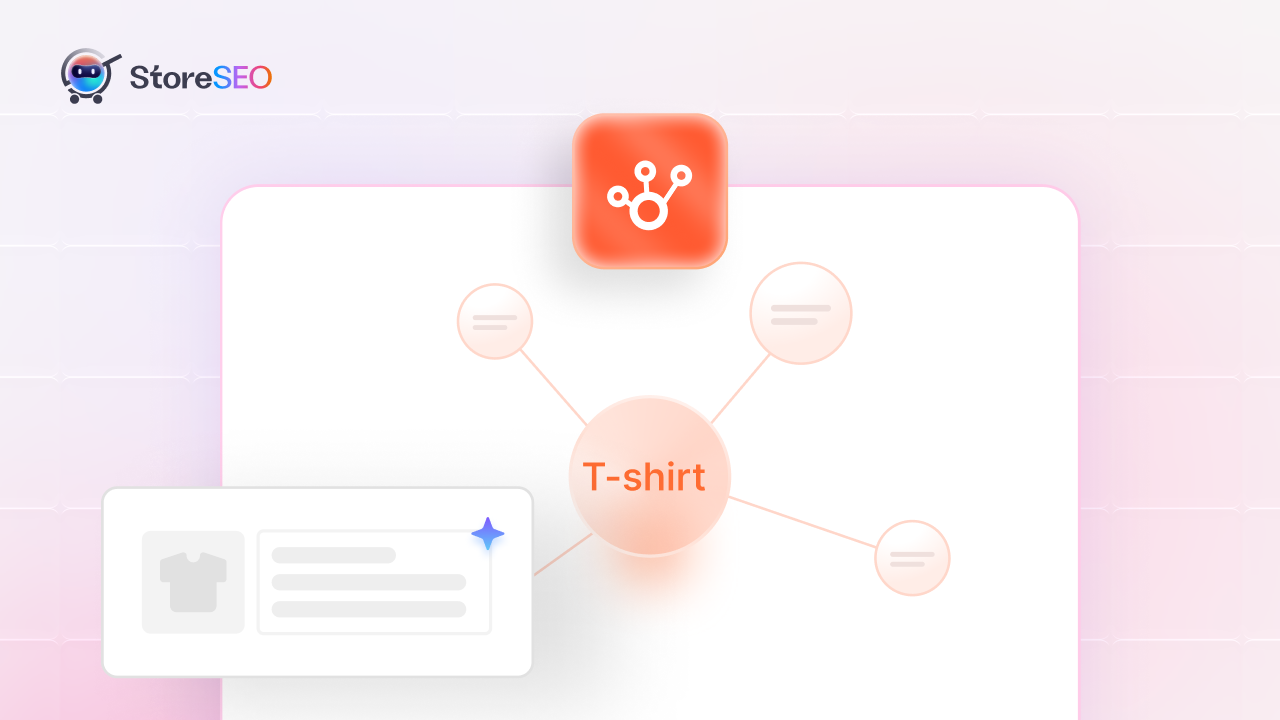
A keyword cluster is a group of related search terms that share the same (or very similar) user intent, semantically relevant meaning, and SERP characteristics. Instead of treating each keyword as an isolated target, you group them and optimize a single page—or set of interlinked pages—to rank for the entire cluster. Here’s a practical example:

Instead of creating separate product pages for:

  • “Cotton men’s t-shirt”
  • “Best men’s cotton t-shirt”
  • “Breathable cotton tee for men”
  • “Lightweight cotton shirt for summer”

You’d create one primary product page optimized for the entire cluster. Each of these keywords shares the same intent—a customer wanting to buy a men’s cotton t-shirt—so one well-crafted page (with smart internal linking) can rank for all of them.

Why This Matters (And Why Google Rewards It)

Here is the thing: Google doesn’t think in single keywords anymore. The search engine’s 自然言語処理 (NLP) algorithm understands semantic relationships, context, and intent. When you optimize for a cluster instead of isolated keywords, you’re:

  1. Aligning with how Google actually works – Modern search engines interpret keyword relationships and rank pages based on topical relevance, not keyword count
  2. Covering search intent comprehensively – A customer searching “buy organic cotton t-shirt” has the same intent as someone searching “organic cotton men’s shirt,” just with different phrasing
  3. Building topical authority – When your content thoroughly covers a topic and its related variations, Google sees your site as an authoritative resource
  4. Reducing keyword cannibalization – Without clustering, you might have multiple product pages competing for the same search terms, diluting your ranking power

The result? One strong page beats ten weak pages every time.

The Difference Between Random Keywords and Smart Clustering

Let me show you the stark difference between approaching keywords haphazardly versus strategically.

Keyword Cluster

The Old Way (What Most People Do)

A typical Shopify product description might look like this:

Title: “Men’s T-Shirt”
Meta Description: “High-quality men’s t-shirt in cotton. Buy now.”
Product Description: “This t-shirt is made from cotton. It’s comfortable. Great for everyday wear. Available in multiple sizes.”

What’s wrong here? Everything.

  • The title is generic and doesn’t target any specific search intent
  • The meta description lacks keywords and compelling copy
  • The description repeats the word “cotton” and “t-shirt” awkwardly without semantic variation
  • No secondary keywords or long-tail variations are included
  • There’s no clear value proposition or differentiation

Result: This page might rank for the exact phrase “men’s t-shirt” after months of effort, but it captures almost no organic traffic because it doesn’t address the thousands of related variations customers actually search for.

The Smart Way (Keyword Clustering)

Now, let’s optimize the same product using keyword clustering:

Primary Keyword: “Organic cotton men’s t-shirt”
Secondary Keywords: “Best breathable tee for men,” “Lightweight cotton shirt for summer,” “Eco-friendly men’s casual shirt”
Long-tail Variations: “Organic cotton t-shirt that doesn’t shrink,” “Sustainable men’s clothing,” “Hypoallergenic cotton tee for sensitive skin”

Optimized Product Title:
“Organic Cotton Men’s T-Shirt — Breathable, Lightweight, Eco-Friendly”

Meta Description (155 characters):
“Premium organic cotton men’s t-shirt. Hypoallergenic, breathable & eco-friendly. Perfect for summer. Free shipping on orders over $50. Shop now.”

Product Description (Strategic Keyword Placement):
“Discover the perfect organic cotton men’s t-shirt for everyday comfort. Made from sustainably sourced breathable cotton, this lightweight tee keeps you cool whether you are at the office or outdoors. Our eco-friendly men’s shirt is designed for guys who care about quality and the planet.

Why This Shirt Stands Out:

  • Hypoallergenic organic cotton (perfect for sensitive skin)
  • Lightweight and breathable fabric (ideal for summer)
  • Sustainable production methods (no harmful chemicals)
  • Pre-shrunk to maintain fit (won’t shrink after washing)
  • Available in 10 colors

Whether you’re looking for men’s casual clothing that’s sustainable, a hypoallergenic cotton tee, or simply the best organic men’s shirt for everyday wear, this is your answer…”

Can you see the difference?

The second approach:

  • ✅ Targets the primary keyword naturally
  • ✅ Incorporates secondary keywords and semantic variations
  • ✅ Addresses multiple long-tail search queries
  • ✅ Provides clear value propositions
  • ✅ Maintains readability while optimizing for search
  • ✅ Answers customer questions (hypoallergenic? Won’t shrink? Breathable?)

This page has the potential to rank for 200+ related keywords instead of just one.

Why Keyword Clusters Are Recommended for Shopify Stores?

Let us share the concrete benefits you’ll actually see when you implement keyword clustering for your 製品の説明:

1. Increased Organic Visibility

When you optimize for a cluster, you are not aiming to rank for one keyword; you are strategically targeting 20, 50, or even 100+ related variations.

A case study from Backlinko shows the power of this approach: They built a content hub with 57 interlinked pages organized around keyword clusters. The result? That single cluster now ranks for over 29,000 keywords and generates 158,000+ organic visitors monthly.

For a Shopify store, this translates directly to traffic. Instead of getting 10 monthly searches from “men’s organic cotton t-shirt,” you might get 50+ searches across all the related variations you’ve optimized for.

And that compounds. As more customers find you, you get more reviews, more links, and higher authority—which helps you rank even better for new keywords.

2. Higher Conversion Rates from Targeted Traffic

Here’s what is crucial: keyword clustering is not just about getting more traffic—it is about getting better traffic.

When you optimize for clusters, you naturally attract customers who are further along in the buying journey. Someone searching “best breathable cotton shirt for summer men” is much closer to buying than someone searching “what is cotton?” (informational intent).

By grouping keywords by search intent, you ensure:

  • Informational queries go to your blog or FAQ pages
  • Commercial queries (“best men’s organic shirts”) go to comparison or listicle content
  • Transactional queries (“buy organic cotton men’s t-shirt”) go directly to product pages

This alignment between search intent and page type means higher click-through rates and more conversions.

3. Reduced Keyword Cannibalization

Here’s a problem we see constantly in Shopify stores:

The store owner has five similar products (men’s t-shirts in different colors). Without clustering, they might have five separate product pages all optimized for similar keywords. Google gets confused—which page should rank for “men’s organic cotton t-shirt”? The result: weak rankings across all pages.

With keyword clustering, you:

  • Have one primary product page that targets the core cluster
  • Use canonical tags to consolidate ranking power
  • Reserve variant pages (different colors/sizes) for long-tail, highly specific searches
  • Build internal linking to reinforce the main page’s authority

Result: One strong page ranking instead of five weak pages competing with each other.

4. Easier to Beat Your Competitors

Here’s something most people won’t tell you: keyword clustering gives you a strategic advantage against competitors.

Most of your competitors are optimizing product descriptions the old way—targeting one primary keyword and hoping for the best. When you implement clustering, you are:

  • Covering more search intent variations
  • Building topical authority faster (Google trusts you more)
  • Creating a stronger internal linking structure
  • Capturing long-tail traffic, your competitors are missing

The math is simple: While your competitor ranks for 1-2 keywords per product page, you’re ranking for 50+. That’s 25-50x the traffic opportunity.

5. Building Topical Authority (The Long-Term Win)

Google’s E-E-A-T framework (Expertise, Experience, Authoritativeness, Trustworthiness) increasingly rewards sites that demonstrate deep expertise on specific topics.

When you use keyword clustering across your Shopify catalog, you’re essentially building a web of interconnected, expert content around your niche. A customer shopping for organic men’s clothing finds:

  • Your main product page (optimized for “organic cotton men’s t-shirt” cluster)
  • Related product pages (linked internally, covering variations like “women’s organic cotton shirts,” “organic workout gear”)
  • A blog post on your FAQ addressing “how to care for organic cotton clothing.”
  • A category page on “sustainable men’s fashion.”
  • Interlinking that creates a clear architecture

Google sees this and thinks, “This site knows everything about sustainable organic clothing. They’re the authority.”

Result: Higher rankings, more organic traffic, better user experience, and stronger brand perception.

The Three Types of Keyword Clustering You Need to Know

When building clusters for your Shopify store, you’ll encounter three main clustering methods. Understanding each will help you choose the right strategy:

1. Semantic Clustering (Meaning-Based)

This groups keywords based on their linguistic meaning and relatedness, even if they do not appear together in search results.

Example Cluster:

  • “Organic cotton t-shirt for men”
  • “Sustainable men’s tee”
  • “Eco-friendly casual shirt for guys”
  • “Environmentally responsible men’s clothing”

Strength: Great for understanding the natural language variations customers use and ensuring your content is comprehensive.

Limitation: You might group keywords that Google actually treats as different intents, potentially leading to cannibalization.

2. SERP-Based Clustering (What Google Actually Shows)

This analyzes the actual Google search results. If the same pages rank for multiple keywords, those keywords belong in the same cluster.

Example: If the first five results for “men’s organic cotton shirt” are almost identical to the first five results for “eco-friendly men’s t-shirt,” these keywords are in the same cluster according to Google’s interpretation.

Strength: This reflects how Google actually interprets keyword relationships, minimizing the risk of cannibalization.

Limitation: Can group keywords that aren’t semantically similar but share search intent, which might feel less natural from a content perspective.

The Best Approach for Shopify? Combine both methods:

  1. Start with semantic clustering to understand natural keyword relationships
  2. Validate with SERP-based clustering to ensure Google sees them the same way
  3. Optimize your product pages accordingly

3. Long-Tail Keyword Clustering

This focuses specifically on longer, more specific search phrases. For e-commerce, this is especially valuable because long-tail keywords typically have:

  • Higher commercial intent (people ready to buy)
  • Lower competition (easier to rank for)
  • Better conversion rates (10-15% higher than head terms)

Example for a Coffee Grinder Product Page:

Primary Keyword: “Manual coffee grinder”

Long-Tail Cluster:

  • “Best manual coffee grinder for camping”
  • “Manual coffee grinder with ceramic burr”
  • “How to clean a manual coffee grinder”
  • “Manual vs electric coffee grinder which is better”
  • “Portable manual grinder for travel”

Why this matters for Shopify: Long-tail keywords often have less competition. While a generic “manual coffee grinder” might have difficulty 60/100, “best manual coffee grinder for camping” might be 25/100. You’ll rank faster and attract customers who are further along in their buying journey.

Step-By-Step: How to Build Keyword Clusters for Your Shopify Products

Alright, let’s get practical. Here’s exactly how to build keyword clusters for your product descriptions:

Step 1: Start with Comprehensive Keyword Research

Before you cluster anything, you need a solid list of keywords. Here’s how:

For each product category, identify:

  1. Primary Keyword (Seed Keyword):
    The core term describing your product. For a yoga mat: “yoga mat” or “non-slip yoga mat”
  2. Use SEO Tools to Expand:
    • SEMrush Keyword Magic Tool
    • Ahrefs Keywords Explorer
    • Moz Keyword Explorer
    • Google Keyword Planner (free)
  3. Search for your primary keyword and pull all related keywords with:
    • Monthly search volume
    • Keyword difficulty score
    • Search intent (informational, commercial, transactional, navigational)
    • Related long-tail variations
  4. Don’t Forget Customer Language:
    Look at:
    • Customer reviews for your competitors (what language do people use?)
    • Amazon product search (what autocompletes appear?)
    • Google autocomplete (start typing your keyword and see suggestions)
    • Reddit/forums (how do customers discuss this product?)

Target List for “Yoga Mat” product:

  • Non-slip yoga mat
  • Best yoga mat for beginners
  • Yoga mat with carrying strap
  • Thick yoga mat for knees
  • Eco-friendly yoga mat
  • Yoga mat for hot yoga
  • Lightweight travel yoga mat
  • Yoga mat that doesn’t smell
  • Purple yoga mat
  • How thick should a yoga mat be

Step 2: Organize Keywords by Search Intent

This is critical. Keywords with different intents need different pages.

The Four Search Intents:

Informational: “How to choose a yoga mat,” “What’s the best thickness for a yoga mat,” “How to clean a yoga mat”
→ These belong on blog posts, not product pages

Commercial: “Best yoga mats,” “Top yoga mats for beginners,” “Yoga mat reviews”
→ These belong on comparison/listicle pages or category pages

Transactional: “Buy yoga mat,” “Order non-slip yoga mat,” “Yoga mat free shipping”
→ These belong on product pages (this is what you want for your Shopify products)

Navigational: “Lululemon yoga mat,” “Manduka yoga mat,” “Yoga mat reddit”
→ Brand-specific searches; less relevant unless you’re those brands

For your product pages, focus on transactional keywords and some commercial keywords that indicate high buying intent.

Create a simple spreadsheet:

KeywordSearch Intent検索ボリューム困難Target Page
Non-slip yoga matトランザクション2,90035Product – Yoga Mat
Best yoga mat for beginnersコマーシャル1,80042Category or Product
How to clean yoga mat情報提供95015Blog Post
Buy eco-friendly yoga matトランザクション48028Product – Eco Mat
Thick yoga mat for kneesトランザクション32022Product – Yoga Mat

Step 3: Group Keywords Into Clusters

Now, organize your transactional keywords into clusters. Keywords in the same cluster should have:

  • Same search intent
  • Semantic relevance (related meaning)
  • Similar SERP results (when you Google them, similar pages rank)

Example Cluster for Your Yoga Mat Product Page:

Cluster Name: “Beginner-Friendly Non-Slip Yoga Mat”

Primary Keyword: Non-slip yoga mat (2,900 searches/month, difficulty 35)

Secondary Keywords:

  • Best yoga mat for beginners (1,800/month)
  • Thick yoga mat for knees (320/month)
  • Anti-slip yoga mat (410/month)

Long-Tail Keywords:

  • Non-slip yoga mat with carrying strap
  • Best yoga mat for joint pain
  • Yoga mat that won’t slide
  • Beginner yoga mat with alignment marks
  • Thick anti-slip yoga mat

All of these keywords indicate someone looking to buy a beginner-friendly, non-slip yoga mat. One well-optimized product page can rank for all of them.

Another Example Cluster for an Eco-Friendly Variant:

Cluster Name: “Eco-Friendly Yoga Mat”

Primary Keyword: Eco-friendly yoga mat (890/month)

Secondary Keywords:

  • Natural rubber yoga mat (620/month)
  • Sustainable yoga mat (480/month)
  • Non-toxic yoga mat (340/month)

Long-Tail Keywords:

  • Best eco-friendly yoga mat made in USA
  • Sustainable yoga mat for hot yoga
  • Natural rubber mat without synthetic smell
  • Yoga mat made from recycled materials

Key insight: These two clusters have different intent. While both want a yoga mat, the first cluster targets beginners concerned about stability, while the second targets eco-conscious customers. Depending on your inventory, you might:

  • Option A: Have two separate product pages (one for each cluster)
  • Option B: Have one product page that appeals to both and use pagination/filters for variants
  • Option C: Have one main product page and cross-link to the variant category page

Step 4: Determine Your Content Strategy

For each cluster, decide:

Should I optimize an existing product page or create a new one?

Ask yourself:

  • Do I have a product that fits this cluster perfectly? → Optimize existing page
  • Is this cluster significantly different from my current products? → Create new product listing
  • Is this cluster very similar to another? → Could I merge them? Or use one main page + internal links?

Should I use a Pillar + Cluster Architecture?

This is where you have:

  • Pillar Page: A comprehensive main product page (example: “Complete Guide to Yoga Mats” or just your main yoga mat product page)
  • Cluster Pages: Related product variants or related blog content, all linking back to the pillar
  • Internal Links: Connecting cluster pages to the pillar and to each other

For a Shopify store selling yoga mats in 5 colors and 2 thicknesses, your pillar + cluster might look like:

文章

Pillar Page: Non-Slip Yoga Mat (main product page, optimized for primary keyword cluster)

├── Cluster 1: Non-Slip Yoga Mat – Black (color variant, optimized for “black non-slip yoga mat”)

├── Cluster 2: Non-Slip Yoga Mat – Purple (color variant, optimized for “purple yoga mat”)

├── Cluster 3: Thick Non-Slip Mat for Joints (thickness variant, optimized for “thick yoga mat for knees”)

└── Related Blog Post: “How to Choose the Right Yoga Mat Thickness” (internal linking)

Step 5: Optimize Your Product Page for the Cluster

Now for the actual optimization. Here’s exactly what to optimize:

Product Title (50-60 characters)

Formula: Primary Keyword + Key Differentiator + Brand (optional)

❌ Bad: “Yoga Mat”
❌ Bad: “Premium Eco-Friendly Sustainable Non-Slip Yoga Mat” (too long, keyword stuffing)
✅ Good: “Non-Slip Yoga Mat for Beginners — ThickFit”
✅ Good: “Eco-Friendly Yoga Mat with Carrying Strap”

Why this works:

  • Opens with primary keyword (highest SEO weight)
  • Includes key differentiator (for beginners, eco-friendly, with strap)
  • Concise enough to display properly on mobile
  • Includes brand name only if it helps recognition

Meta Description (150-160 characters)

Formula: Primary Keyword + Key Benefit + Compelling Offer + CTA

❌ Bad: “Our yoga mat is non-slip and eco-friendly. Check it out.”
✅ Good: “Non-slip yoga mat perfect for beginners. Thick cushioning for joint protection. Free shipping on orders $50+. Shop now.”

Character count: 155 characters ✓

Why this works:

  • Opens with primary keyword (improves CTR)
  • Highlights key benefits (non-slip, thick, beginner-friendly)
  • Mentions compelling offer (free shipping)
  • Clear CTA (Shop now)
  • Fits Google’s display limit without truncation

H1 (Product Name/Heading)

This should match or closely align with your title. It’s the main heading customers see.

✅ “Non-Slip Yoga Mat for Beginners — Premium Support & Comfort”

Opening Paragraph (First 150 words)

This is crucial. Customers see this before scrolling, so:

  • Open with a benefit-focused statement
  • Include your primary keyword naturally
  • Address customer pain points
  • Answer “Why should I choose this?”

例:

“Discover the perfect non-slip yoga mat for your practice. Whether you’re just starting yoga or refining your technique, our thick, cushioned mat provides the stability and comfort you need. With premium non-slip grip and thick 6mm cushioning, this beginner-friendly yoga mat prevents slipping during even the most intense flows while protecting your joints. Made with eco-friendly materials, it’s the best yoga mat for anyone serious about their practice without compromising their values.”

Notice:

  • Primary keyword in bold (“non-slip yoga mat”) — used once naturally
  • Secondary keywords woven in (“thick yoga mat,” “beginner-friendly,” “eco-friendly”)
  • Benefits emphasized (prevent slipping, joint protection, comfort)
  • Value proposition clear (stability + comfort + sustainability)
  • No keyword stuffing—reads naturally

Features Section (Using H2/H3 Headings)

Use semantic variations of your cluster keywords in section headings. This helps Google understand the topic depth.

文章

H2: “Why Choose Our Non-Slip Yoga Mat?”

– Prevents Slipping During Any Yoga Style (addresses “best yoga mat for hot yoga”)

– Thick Cushioning Protects Your Joints (addresses “thick yoga mat for knees”)

– Eco-Friendly, Non-Toxic Materials (addresses secondary cluster keywords)

H2: “Perfect for Yoga Beginners”

– Alignment Marks Help You Learn Proper Form (addresses “beginner yoga mat”)

– Easy to Roll & Transport (addresses “lightweight yoga mat”)

– Included Carrying Strap (long-tail keyword variant)

H2: “Specifications & Details”

[Technical specs that answer questions customers search for]

Bullet Point Descriptions

Convert features into benefit-focused bullets that address cluster keywords:

❌ “6mm thickness”
✅ “6mm thick cushioning — provides joint protection without being so thick it affects stability”

❌ “Non-slip surface”
✅ “Premium non-slip grip — stays in place even during hot yoga and sweaty sessions”

Long-Tail FAQ Section (Optional but Powerful)

This is where you capture those specific long-tail keyword variants:

Q: Is this yoga mat good for beginners?
A: Absolutely. This non-slip yoga mat is specifically designed with beginners in mind…

Q: Can I use this for hot yoga?
A: Yes! The non-slip surface prevents the mat from sliding even when you’re sweating…

Q: How thick should a yoga mat be?
A: We recommend 6mm for most yogis…

Q: Does this yoga mat smell?
A: Our eco-friendly rubber has minimal odor compared to synthetic mats…

Alt Text for Images

✅ Good: “Non-slip yoga mat in purple, front view showing thick cushioning and alignment marks”
✅ Good: “Eco-friendly thick yoga mat rolled with carrying strap”
❌ Bad: “yoga-mat-1.jpg”
❌ Bad: “Mat”

How to Apply Keyword Clustering to Your Shopify Store (Expert Insight)

Let us walk you through a complete, real-world example you can copy.

The Product: Eco-Friendly Reusable Water Bottle

Step 1: Research & Cluster Building

Keyword research returns these variations:

  • Reusable water bottle (3,600/month, difficulty 52)
  • Eco-friendly water bottle (2,100/month, difficulty 38)
  • Best reusable water bottle (1,500/month, difficulty 45)
  • Stainless steel water bottle (1,200/month, difficulty 48)
  • Insulated water bottle (890/month, difficulty 42)
  • Water bottle that keeps drinks cold (480/month, difficulty 22)
  • Reusable water bottle leak-proof (420/month, difficulty 28)
  • Sustainable water bottle (310/month, difficulty 31)
  • Water bottle for gym (275/month, difficulty 25)
  • Portable water bottle with carrying handle (150/month, difficulty 18)

Cluster Analysis:
All of these keywords indicate someone looking to buy a reusable, eco-friendly, functional water bottle. They all have transactional intent. Same page can target all of them.

Primary Keyword: “Eco-friendly water bottle”
Secondary Keywords: “Reusable water bottle,” “Best insulated water bottle,” “Leak-proof sustainable bottle”
Long-tail Keywords: “Eco-friendly water bottle that keeps drinks cold,” “Reusable water bottle for gym,” “Stainless steel sustainable bottle with carrying handle”

Step 2: Page Structure

Create one main product page that serves the entire cluster.

Step 3: Optimization Implementation

文章

PRODUCT TITLE (58 characters):

“Eco-Friendly Water Bottle — Insulated, Leak-Proof, Sustainable”

META DESCRIPTION (155 characters):

“Eco-friendly water bottle that keeps drinks cold for 24 hours. Leak-proof, stainless steel design. Free shipping on orders $30+. Shop now.”

H1:

“Premium Eco-Friendly Water Bottle for Every Adventure”

OPENING PARAGRAPH:

“「“Make a difference with every sip. Our best-selling eco-friendly water bottle combines sustainable design with premium functionality. Made from 100% recycled stainless steel, this reusable water bottle keeps your drinks cold for up to 24 hours—perfect whether you’re at the gym, office, or hiking. With a leak-proof design and durable construction, it’s the sustainable water bottle choice that lasts.“「“

SECTION HEADINGS (using cluster keyword variations):

– H2: “Why Choose Our Eco-Friendly Water Bottle?”

– H2: “Keeps Drinks Cold Without Plastic Waste”

– H2: “Perfect for Work, Gym & Adventure”

– H2: “FAQs About Reusable Water Bottles”

FEATURE BULLETS:

– Keeps drinks cold for 24 hours or hot for 12 hours (addresses “insulated water bottle”)

– 100% leak-proof design with secure locking lid (addresses “leak-proof reusable bottle”)

– Made from recycled stainless steel—zero plastic (addresses “sustainable bottle”)

– Lightweight with carrying handle for portability (addresses long-tail: “with carrying handle”)

– Fits most car cup holders and backpack pockets (addresses “portable” intent)

FAQ SECTION:

Q: Is this really an eco-friendly water bottle?

A: Yes. Made entirely from recycled stainless steel with zero plastic components…

Q: How long does it keep drinks cold?

A: Our reusable water bottle keeps cold drinks chilled for 24 hours in room temperature…

Q: Is it truly leak-proof?

A: Completely. The secure locking mechanism makes this a leak-proof water bottle…

Q: Can I use this water bottle at the gym?

A: Absolutely. It fits most gym bags, has a secure carrying handle…

Q: What makes this better than plastic reusable bottles?

A: Unlike plastic reusable water bottles, our stainless steel design…

Result: This single optimized product page now targets an entire cluster of 10+ keywords with strong commercial intent. Instead of relying on ranking for “Eco-friendly water bottle,” you’re positioned to capture traffic from the entire intent cluster—driving significantly more qualified traffic to your Shopify store.

Advanced Tip: Using Keyword Clusters to Prevent Cannibalization

If you have multiple related products, keyword clustering helps you structure them strategically.

Example: You sell three water bottle products:

  1. Eco-Friendly Stainless Steel Bottle (primary focus: sustainability)
  2. Ultra-Insulated Thermal Bottle (primary focus: temperature control)
  3. Lightweight Travel Water Bottle (primary focus: portability)

Without Clustering (Cannibalization):
All three pages target similar keywords. Google gets confused about which should rank.

With Clustering (Strategic Separation):

製品Primary Keyword ClusterTarget Keywords
Eco-Friendly Bottle“Eco-friendly water bottle”Sustainable, eco-friendly, plastic-free, recycled
Insulated Thermal“Best insulated water bottle”Keeps cold, keeps hot, temperature control, thermal
Lightweight Travel“Portable water bottle”Lightweight, travel, compact, backpack

Each product page targets different keyword clusters with different intent, eliminating cannibalization while increasing your total search visibility.

Implementation Tools & Resources

You don’t need expensive tools to implement keyword clustering for Shopify. You can get the basic キーワード調査 done with StoreSEO; however, if you’re looking for other options, but these make it easier:

Keyword Cluster

Free Tools:

  • Google Keyword Planner – Basic keyword research and search volume
  • Google Search Console – Monitor rankings and keyword performance
  • Google Analytics – Track traffic and user behavior
  • Ubersuggest (Free Version) – Keyword suggestions and difficulty scores
  • AnswerThePublic – Visualize related questions customers ask

Affordable Tools ($50-200/month):

  • Semrush – Keyword clustering, competitor analysis, rank tracking
  • Ahrefs – Keyword research, SERP analysis, clustering
  • Moz – Keyword research, rank tracking, difficulty analysis
  • SE Ranking – Automatic keyword clustering, rank tracking, SEO audit

Free Approach (If Budget is Tight):

  1. Use Google Keyword Planner for initial research
  2. Compile keywords in a Google Sheet
  3. Analyze SERP results manually (Google each keyword, see what pages rank)
  4. Group keywords by similarity and SERP overlap
  5. Use Google Search Console to monitor progress post-optimization
  6. Refine based on actual ranking data

The Quick-Start Framework: Get Started This Week

You don’t need to optimize your entire Shopify store at once. Start with your top-performing products and expand from there.

Week 1: Audit & Research

  • Pick 2-3 of your best-selling products
  • Research 50+ keyword variations for each using free tools
  • List these in a spreadsheet

Week 2: Cluster Building

  • Group keywords by search intent and semantic relevance
  • Identify the primary keyword for each product
  • Validate clusters by checking SERP results

Week 3: Optimization

  • Write/update product titles using the Primary Keyword + Differentiator + Brand formula
  • Optimize meta descriptions (150-160 characters)
  • Rewrite opening paragraphs to naturally include cluster keywords
  • Update section headings and features
  • Add an FAQ section for long-tail keyword variations

Week 4: Monitor & Refine

  • Submit updated pages to Google Search Console
  • Monitor keyword rankings over the next 30 days
  • Track CTR and position changes
  • Identify what’s working and what needs refinement
  • A/B test title and meta description variations

Why Your Competitors Are Not Doing This (And Why That’s Your Advantage)

Here’s the honest truth: Most Shopify store owners aren’t using keyword clusters for their product descriptions. They’re either:

  1. Ignoring SEO entirely — hoping word-of-mouth and ads will drive traffic
  2. Optimizing haphazardly — randomly including keywords without strategy
  3. Overthinking it — trying to use complex SEO tactics and getting paralyzed
  4. Using outdated methods — focusing on single keywords instead of clusters

This is your advantage. While 90% of stores struggle to rank for even basic keywords, you’ll be building comprehensive clusters that capture search traffic across hundreds of variations.

The compounding effect is incredible:

  • Month 1: You rank for your primary keyword
  • Month 2: Secondary keywords start ranking
  • Month 3: Long-tail variations appear in results
  • Month 6: You’re ranking for 50+ variations of the same cluster
  • Year 1: Your organic traffic has multiplied, and you’ve established topical authority

Your Path to SEO Dominance

Keyword clustering for Shopify product descriptions isn’t just an SEO tactic—it’s a fundamental shift in how you think about search optimization.

Instead of chasing individual keywords, you’re strategically building clusters that capture entire search landscapes. Instead of hoping one page will rank, you’re engineering it to rank for 20, 50, or 100+ related variations.

The results speak for themselves: higher organic visibility, more targeted traffic, better conversion rates, and a competitive moat that’s hard for others to replicate.

Here’s what you should do today:

  1. Pick one product in your Shopify store
  2. Research 50 keywords related to that product
  3. Group them into clusters by search intent
  4. Optimize your product page using the framework I’ve shared
  5. Monitor results over the next 90 days

Then, repeat the process for your next 10 products. Within a year, you’ll have built a keyword cluster-optimized catalog that ranks for thousands of search variations—leaving your competitors wondering how you’re beating them in organic search.

Your customers are searching right now. The question is: will your Shopify store be there to greet them?

私たちのブログは役に立ったでしょうか?もしそうなら、 ブログを購読する 業界関連のトピックに関するその他のヒント、チュートリアル、最新情報については、こちらをご覧ください。

best booster seo alternatives

2026年版SEOブースター代替アプリ7選:AI検索ランキング向上のための専門家テスト済みShopifyアプリ(完全ガイド)

ChatGPT、Perplexity、GoogleのAI Overviews向けにShopifyストアを最適化してくれる、最適なBooster SEOの代替品をお探しですか?あなただけではありません。. Semrushによると, AI 概要は現在、Google 検索クエリの 13.14% に表示されており、AI 検索に最適化されていないストアは急速に可視性を失っています。.

7 Best Booster SEO Alternatives in 2026: Expert-Tested Shopify Apps for AI Search Rankings (Complete Guide)
7 Best Booster SEO Alternatives in 2026: Expert-Tested Shopify Apps for AI Search Rankings (Complete Guide) 10

このガイドでは、AI 対応機能、販売者のレビュー、価格価値、Shopify アプリ ストアの実際のパフォーマンス データに基づいて、Booster SEO の代替となる上位 7 つのソリューションを分析します。.

簡単な要約 / TL;DR

時間がない?知っておくべきこと:

あなたがしたい場合は…これを使う期待される影響所要時間
ChatGPTとAI検索での順位ストアSEOLLMs.txt ジェネレーター + AI エージェント30分のセットアップ
最高の無料機能アバダSEO毎月1,500枚の画像が無料15分
画像重視の最適化タイニーIMG50-70% 圧縮20分
完全な初心者向けソリューション検索パイリアルタイム監査ガイダンス25分
予算に優しい自動化スマートSEOChatGPT-4メタ生成15分
ページ速度の優先SEOアントAMP + スピードブースト30分
基本的なSEOニーズプラグインSEO問題の検出と修正20分

専門家の見解: 2026年にAI検索の可視性に重点を置くShopifyマーチャントにとって、StoreSEOは LLMs.txt ジェネレーター AI SEOエージェントとしての機能を備えており、競合他社がまだ追いつけない機能を備えています。571件以上のレビューで5.0という高評価を獲得しており、マーチャントからは、従来のSEOと新興のAI検索プラットフォームの両方において、最も効果的なソリューションであると一貫して評価されています。.

  • AI検索ランキングに最適: StoreSEO — ChatGPT、Gemini、Grok、Claudeのインデックス作成に対応したLLMs.txtジェネレーターを備えた唯一のShopify SEOアプリ
  • 初心者に最適: SearchPie — 24時間年中無休のライブチャットサポートによるステップバイステップのガイダンス
  • 画像最適化に最適: TinyIMG — 品質を損なうことなく業界をリードする圧縮率

2026年にShopifyマーチャントがBooster SEOから切り替える理由

Shopifyのドキュメントによると, オーガニック検索は、eコマース全体のトラフィックの約33%を占めています。しかし、AI検索エンジンの台頭により、2025年から2026年にかけてSEO戦略は劇的に変化しました。.

マーチャントが Booster SEO の最適な代替手段を積極的に探している理由は次のとおりです。

1. AIによる検索最適化の限界

Booster SEOは主に従来のGoogle SEOに焦点を当てています。しかし、, スタティスタによると, ChatGPTは現在、月間15億回以上のアクセスを処理しており、その大部分は商品関連の問い合わせです。マーチャントは、従来の検索プラットフォームとAIプラットフォームの両方に最適化されたアプリを必要としています。.

2. 大規模な価格設定に関する懸念

フル機能の Pro プランは月額 $39 で、カタログの少ない販売者にとっては、より低価格で同様の (またはより優れた) 機能を提供する他のサービスと比べて、価格が高すぎると感じることがよくあります。.

3. Google Search Consoleとの統合がない

いくつかの代替手段とは異なり、Booster SEO には、わかりやすい英語による推奨事項を備えたネイティブの Google Search Console 統合がないため、販売者は生のデータを自分で解釈する必要があります。.

4. LLMs.txt はサポートされていない

新たに登場したLLMs.txt標準は、ChatGPT、Claude、GeminiなどのAIシステムがストアのコンテンツを理解するのに役立ちます。この機能はBooster SEOには搭載されていませんが、新しい代替手段では利用可能です。.

Booster SEOの代替手段をどのように評価したか

ランキングは、以下の客観的な基準に基づいています。 Google 検索セントラルのドキュメント そして新たなAI検索最適化標準:

基準なぜそれが重要なのか重さ
AI検索機能LLMs.txt、AIクローラー向けの構造化データ高い
Shopifyアプリストアの評価検証済みの販売者満足度高い
Google Search Console の統合実用的なSEOインサイト高い
価格価値大規模な機能あたりのコスト中くらい
使いやすさ実装と維持にかかる時間中くらい
画像の最適化ページ速度がランキングに与える影響中くらい
サポート品質応答時間と有用性低い

マスター比較:2026年のBooster SEO代替案

ランクアプリ評価AI機能GSC統合開始価格最適な用途
🥇ストアSEO★★★★★ (5.0)LLMs.txt、AIエージェント、AIブログ✅ 平易な英語無料 / $19.99/月AI検索ランキング
🥈アバダSEO★★★★★ (4.9)ChatGPT監査✅ 基本無料 / $34.95/月無料ユーザー
🥉タイニーIMG★★★★★ (5.0)AIメタディスクリプション無料 / $14/月画像重視の店舗
4検索パイ★★★★★ (4.9)AIコンテンツ生成✅ 上級無料 / $39/月初心者
5スマートSEO★★★★★ (4.9)ChatGPT-4 ターボ無料 / $9.99/月予算の自動化
6SEOWILL(旧SEOAnt)★★★★★ (4.8)AIオプティマイザー✅ 基本無料 / $29.99/月速度の最適化
7プラグインSEO★★★★★ (4.7)基本的なAI$29.99/月シンプルなSEO修正

🥇 StoreSEO — AI検索ランキングと将来を見据えたSEOに最適

ストアSEO AI検索エンジンでのランキング獲得に真剣に取り組むマーチャントにとって、Booster SEOの代替として頼りになる存在として浮上しました。571件以上のShopifyレビューで5.0という高評価を獲得しているこのアプリの急速な成長は、Shopify SEOにおけるAIファーストのアプローチを反映しています。.

Best Booster SEO Alternative

オーストラリアのShopifyマーチャントがレビューで次のように述べています。「今日アプリを追加したばかりですが、今のところ素晴らしいです。高額な料金を払って成果が出ないまま終わるよりも、1年前にこのアプリを見つけていればよかったと思います。アプリの操作性は非常に良く、SEOに効果的な修正をすぐに行うことができます。」“

StoreSEOの特徴は、従来のSEOと新興のAI検索エコシステムの両方に焦点を当てていることです。競合他社の多くが基本的なSEO自動化に追いついていない中、StoreSEOはすでにChatGPTショッピング、Perplexity製品レコメンデーション、GoogleのAI概要向けに特別に設計された機能をリリースしています。.

このアプリは、Google Search Consoleに接続している3,500以上の販売者にサービスを提供しており、そのうち2,257店舗が実装しています。 LLMs.txt 生成2025年のリリース以来、r。「“Shopify向けに構築”「」バッジは、Shopify のパフォーマンスと統合に関する最高基準を満たしていることを証明します。.

主な特徴

  • LLMs.txt 生成r: ChatGPT、Gemini、Grok、Claudeが商品やコレクションを理解するのに役立つ標準化されたファイルを作成します。これは他のShopify SEOアプリにはない機能です。
  • AI SEOエージェント: AI搭載のアシスタントがあなたのストアを分析し、優先順位の高い実用的なSEO推奨事項を分かりやすい英語で提供します
  • AIブログジェネレーター: SEOに最適化されたブログコンテンツをアプリ内で直接作成し、別のコンテンツツールの必要性を排除します。
  • Google Search Consoleのインサイト: GSCデータを、技術に詳しくない販売者でも実装できるシンプルな修正提案に変換するネイティブ統合
  • バルクAIコンテンツオプティマイザー: 数百の製品に対して最適化されたメタタイトル、説明、代替テキストを同時に生成します
  • FAQスキーマ: 製品ページに構造化されたFAQマークアップを自動的に追加し、リッチリザルトやAI引用に表示される可能性を高めます。
  • 画像最適化: AIを使った自動代替テキスト生成で画像を圧縮・サイズ変更

StoreSEOを始める方法

始めるのは簡単です:

オプションA: 無料プラン

  1. ShopifyアプリストアからStoreSEOをインストールします
  2. オンボーディングウィザードを完了してストアを接続します
  3. 最初のSEO監査を実行して、現在のストアの健全性を確認します
  4. AI 検索の可視性を高めるために LLMs.txt ジェネレーターを有効にする
  5. Google Search Console に接続して高度な分析情報を入手

オプションB:有料プラン(月額$19.99から)

  • ライト: 100 製品、1,000 AI クレジット
  • 必須: 250 製品、5,000 AI クレジット
  • 成長: 1,000 製品、12,500 AI クレジット
  • 上級:10,000製品、50,000 AIクレジット

詳細ガイド:

長所と短所

長所短所
✅ AI検索用のLLMs.txtジェネレーターを備えた唯一のアプリ❌ 高度な機能には有料プランが必要です
✅ 571件以上のレビューで5.0の高評価❌ 下位層における製品制限
✅ Google Search Console のネイティブ統合❌ AIブログジェネレータの学習曲線
✅ AI SEOエージェントが分かりやすい英語で推奨事項を提供します
✅「Shopify向けに構築」認定
✅ 全プラン24時間365日ライブチャットサポート

最適な対象:GoogleとChatGPT、Perplexity、GeminiなどのAI検索エンジンの両方で上位表示を目指すShopifyマーチャント。AIファースト検索時代において長期的なSEO投資を計画しているストアに最適です。.

🥈 Avada SEO — 従来のSEOに最適な無料プラン

アバダSEO は、55,000件以上のインストール数と3,900件以上のレビューで4.9という高い評価を得ている、定評のあるShopify SEOアプリです。このアプリは、従来のSEO対策に優れており、充実した無料プランも提供しています。.

Avadaの強みは、オンページSEOへの包括的なアプローチにあります。このアプリは、メタタグの自動化、画像の最適化、JSON-LD構造化データ、ページ速度の改善をすべて単一のダッシュボードから処理します。.

マーチャントは、目に見える品質の低下なしにファイルを圧縮する画像最適化機能を特に高く評価しています。テストでは、PNG圧縮率は約68%、JPG圧縮率は約9%を示し、Core Web Vitalsスコアの向上に貢献しています。.

主な特徴

  • AI を活用した SEO 監査: ChatGPT と統合された分析により、ストア全体の問題を特定します
  • 画像オプティマイザー: 無料プランでは、圧縮と遅延読み込みを含む 1,500 枚/月の画像が利用可能
  • メタタグテンプレート: 最適化されたタイトルと説明を一括生成
  • JSON-LD スキーマ: 製品、レビュー、FAQ の自動構造化データ
  • 301 リダイレクト マネージャー: 壊れたリンクを自動的に修正します
  • LLMs.txt サポート: AI 検索の可視性のために最近追加されました (基本的な実装)

長所と短所

長所短所
✅ たっぷり使える無料プラン(月1,500枚)❌ 月額$34.95の有料プランは高額
✅ 55,000件以上の導入実績が信頼性を証明❌ LLMs.txtの実装は基本です
✅ 強力なコアウェブバイタルの最適化❌ ネイティブAIによるブログ生成なし
✅ 無料プランでも24時間365日サポート❌ GSC統合には分かりやすい英語の洞察が欠けている

最適な対象: 無料で強力な従来の SEO ツールを必要とする販売者、特に圧縮が必要な画像の多いストアを運営している販売者。.

🥉 TinyIMG — 画像の多いストアに最適

タイニーIMG 画像の最適化とページスピードに特化し、2,200件以上のレビューで5.0という高評価を獲得しています。商品写真が重要なストアにとって、TinyIMGは最適な選択肢です。.

テストの結果、業界をリードする圧縮率(PNGファイルで70%+、JPGファイルで50%+)を実現し、画質劣化も目立ちません。ワンクリックで最適化できるため、販売者は数千枚の画像を最小限の労力で処理できます。.

TinyIMGは、画像以外にも、メタタグの最適化、JSON-LDの実装、リンク切れの検出機能を備えています。AIを活用したメタディスクリプションジェネレーターは、面倒なSEOタスクの自動化に役立ちます。.

主な特徴

  • ワンクリック画像SEO:圧縮、サイズ変更、代替テキストの追加を1回の操作で実行
  • AIメタディスクリプション: AIを使用して製品の説明を生成します
  • JSON-LD構造化データ: コーディングなしで簡単にセットアップ
  • リンク切れ検出: 404 エラーに対して 301 リダイレクトを自動生成
  • 遅延読み込み: 画像の読み込みを遅らせて、初期ページのレンダリングを高速化します。

長所と短所

長所短所
✅ クラス最高の画像圧縮 (70%+ PNG)❌ Google Search Console との統合なし
✅ 5.0 の高評価(2,200 件以上のレビュー)❌ LLMs.txt ジェネレーターがない
✅ 優れたカスタマーサポートの対応力❌ 画像ごとの料金は高額になる可能性がある
✅ シンプルで集中したインターフェース❌ AI検索機能が限られている

最適な用途: ページ速度と画像 SEO がコンバージョンに直接影響する、商品写真に重点を置いたストア。.

4. SearchPie — SEO初心者に最適

検索パイ Booster SEOの代替として最も初心者に優しいツールとして際立っており、3,500件以上のレビューで4.9の評価を獲得しています。アプリのインターフェースはSEOの概念を分かりやすく説明しているため、検索最適化に初めて取り組むマーチャントにとって理想的です。.

リアルタイムSEOスキャナーは最適化の取り組みに関する即時フィードバックを提供し、24時間365日対応のライブチャットサポートにより、いつでもサポートを受けられます。SearchPieには、AMPページやバックリンク分析といった、通常はエンタープライズ向けツールにしか搭載されていない機能も含まれています。.

主な特徴

  • リアルタイム SEO 監査: ページ最適化に関する即時フィードバック
  • AIコンテンツ生成: ChatGPTを活用したメタタグ作成
  • バックリンク分析: サイトの権威を監視および改善する
  • AMP ページ: モバイルページの高速化
  • 一括メタエディター: 数百の商品を効率的に更新
  • 24時間365日対応のライブチャット:SEO専門家による即時サポート

長所と短所

長所短所
✅ 初心者に最も優しいインターフェース❌ 月額$39のプレミアムプランは高すぎる
✅ 24時間365日対応のライブチャットサポート❌ LLMs.txt ジェネレーターがない
✅ 独自のバックリンク分析機能❌ 時々技術的なバグが報告される
✅ Google Search Consoleとの強力な統合❌ 一部の販売業者が重複メタの問題を報告しています

最適な対象: SEO に不慣れで、最適化ツールとともにガイダンスと教育を必要とする Shopify 販売者。.

5. Smart SEO — 予算に優しい最高の自動化

スマートSEO Sherpas DesignのSEO自動化ソリューションは、限られた予算でSEO自動化を実現したいマーチャントにとって、最高の価値を提供します。プレミアムプランは月額わずか$9.99ドルで、3~4倍の価格帯のアプリに匹敵する機能を提供します。.

ChatGPT-4 Turboのメタタグ生成統合により、「AIサウンド」を回避した人間品質のコンテンツが生成されます。多言語サポートにより、特に海外で販売するストアにとって大きなメリットとなります。.

主な特徴

  • ChatGPT-4 Turbo統合: 自然な響きのAI生成メタタグ
  • 多言語メタタグ: 国際的なストアに必須
  • 自動リンク切れ修正:SEOの健全性を受動的に維持
  • コーディング不要のJSON-LD: 簡単な構造化データの設定
  • サイトマップ管理: インデックスされるページを制御する
  • バックリンクレポート: 参照ドメインを分析

長所と短所

長所短所
✅ 最高の価格対機能比($9.99/月)❌ Google Search Console との統合なし
✅ 優れた多言語サポート❌ LLMs.txt ジェネレーターがない
✅ ChatGPT-4 ターボメタ生成❌ 画像圧縮は平均的(69% PNG)
✅ クリーンでミニマリストなインターフェース❌ カスタマーサポートの営業時間が限られている

最適な対象: 予算を重視する販売業者や、多言語 SEO 自動化を必要とする国際ストア。.

6. SEOWILL(旧SEOAnt)—ページスピード最適化に最適

SEOWILL (旧SEOAnt)は、Core Web Vitalsがランキングに直接影響を与えることを認識し、SEOにおけるページスピードの要素に重点を置いています。このアプリは、AIを活用したSEOと積極的な速度最適化を組み合わせています。.

AMPの実装と画像圧縮を組み合わせることで、モバイルページの速度スコアが劇的に向上します。導入後、販売者からはPageSpeed Insightsのスコアが20~40ポイント向上したという報告が寄せられています。.

主な特徴

  • AI SEO オプティマイザー: ストア全体の自動改善
  • AMP ページ: モバイル パフォーマンスの高速化
  • 一括画像圧縮: カタログ全体を高速処理
  • 404リダイレクトマネージャー:リンク切れからSEOを守る
  • サイト速度分析: 詳細なコアウェブバイタルレポート

長所と短所

長所短所
✅ ページスピードに重点を置いた❌ 競合他社に比べてAI機能が未発達
✅ AMP の実装が優れている❌ LLMs.txt ジェネレーターがない
✅ 効果的な画像圧縮❌ インターフェースが雑然としているように感じる
✅ 競争力のある価格❌ GSC統合は基本です

最適な対象: ページ速度と Core Web Vitals のパフォーマンスが主な SEO 課題である販売者。.

7. Plug In SEO — シンプルなSEOヘルスチェックに最適

プラグインSEO SEOの問題を特定し、解決を支援するという、分かりやすいアプローチを採用しています。4.7の評価を得ており、複雑なSEO管理を避けたいマーチャントにとって信頼できる選択肢です。.

このアプリは、ストアをスキャンして一般的なSEO問題(メタタグの欠落、リンク切れ、重複コンテンツなど)を検出し、解決策を分かりやすく提示します。一括編集機能を使えば、問題を効率的に修正できます。.

主な特徴

  • 自動SEO問題検出:継続的な監視
  • 一括メタエディター: 複数のページの問題を一度に修正
  • JSON-LD実装: 基本的な構造化データ
  • テンプレートシステム: 新製品全体で一貫した SEO
  • SEOヘルスレポート:定期的なステータス更新

長所と短所

長所短所
✅ シンプルで集中的なアプローチ❌ 高度なAI機能が不足している
✅ SEOメンテナンスに最適❌ LLMs.txt ジェネレーターがない
✅ 問題の説明が明確❌ Google Search Console との統合なし
✅ 信頼性の高い一括編集❌ 競合他社よりも低い評価(4.7)

最適な対象: 複雑な最適化戦略を学習せずに基本的な SEO 衛生管理を望む販売者。.

機能比較表:AI時代のSEO機能

特徴ストアSEOアバダタイニーIMG検索パイスマートSEOSEOアントプラグイン
LLMs.txt ジェネレーター⚠️ 基本
AI SEOエージェント/チャットボット
AIブログジェネレーター
GSC 平易な英語の洞察⚠️
FAQスキーマ
AIメタ生成
多言語SEO
Shopifyバッジ用に構築

価格比較:無料プランと有料プラン

アプリ無料プラン入場料支払い済みミッドティアプレミアム
ストアSEO25 製品、500 AI クレジット$19.99/月 (100 製品)$39.99/月 (250 製品)$99.99/月 (1,000製品)
アバダSEO1,500枚/月$34.95/月$99/月
タイニーIMG月50枚$14/月(画像1,500枚)$23/月(5,000枚)$96/年(10,000枚の画像)
検索パイ基本的なSEOツール$39/月$99/月
スマートSEO基本的な自動化$9.99/月$19.99/月$29.99/月
SEOアント限定された機能$29.99/月$59.99/月
プラグインSEO$29.99/月$49.99/月$79.99/月

SEOアプリを切り替える際によくある間違い

以下に、加盟店が切り替え時に陥りやすい落とし穴をいくつか挙げます。 Shopify向けSEOアプリ 特にBooster SEOのようなツールからStoreSEO: AI SEO Agentに移行する場合は、これは完全に現代的なツールです。 SEOスイート. 実際の店舗移行や継続的な SEO の取り組みから判断すると、注意しないと、これらは静かに進歩を阻害する可能性があります。.

既存のSEOデータをエクスポートし忘れる

現在のアプリをアンインストールする前に、メタタイトル、説明、画像の代替テキスト、特に設定したカスタムリダイレクトをすべてエクスポートしてください。 Shopify SEOツール (一部の Shopifyに最適なSEOアプリ)は移行時にこのデータを自動的に取得しません。この手順を省略したために、何ヶ月もかけて苦労して得たページ内最適化の成果が失われてしまうストアを目にしてきました。これは「単純だが痛い」見落としの一つです。.

AI検索の準備状況を見落とす(LLMs.txtや構造化シグナルなど)

多くのマーチャントは依然として SEO を純粋に従来の Google 中心のものとして扱っていますが、AI を活用した検索 (ChatGPT、Perplexity、Google の AI Overviews など) はすでに実際のトラフィックを生み出しています。. 業界調査によると, AI検索に最適化された店舗では、AIが生成したおすすめがより目立ちます。 Shopifyに最適なSEOアプリ 2026 年の製品には通常、ここで役立つ機能が含まれています。含まれていない製品は選択しないでください。.

価格だけでアプリを選ぶ

目指すのは 最高の無料SEO オプションや最も安い有料プランを選ぶと、すぐに裏目に出る可能性があります。真の価値は、月額料金だけでなく、自動修正、AIによるメタ生成、深い洞察といったコアニーズへの対応力にアプリがどれだけ優れているかによって決まります。.

少し高価ですが、, 強力なSEO 実際にあなたの 検索エンジンのランキング 手作業による調整にかかる時間を節約し、ベーシックなソリューションよりもはるかに高いROIを実現することがよくあります。価格だけでなく、AI最適化などの将来を見据えた機能が本当にサポートされているかを確認しましょう。.

Google Search Consoleにすぐに接続できない

あらゆる固体 SEOプラットフォーム または Shopify SEOツール Google Search Consoleアカウントとの連携は、非常に簡単であるべきです。連携すれば、インデックスの問題、クロール統計、パフォーマンスの傾向など、はるかに優れたデータが提供され、問題を迅速に特定して解決するのに役立ちます。これをスキップ(または遅らせる)することは、真の意味での「盲目的」な行動に等しいのです。 SEOメトリクス 簡単に勝利を逃す SEOを改善する.

人間によるレビューなしに自動化を暴走させる

AIが生成したメタタグ、説明、そしてコンテンツの微調整は、現代の検索エンジンで大きな時間節約になります。 SEOソフトウェア, しかし、堅苦しく、ブランドイメージに合わない印象を与えてしまうこともあります。必ず一度確認して修正しましょう。ロボットのようなコピーはクリック率を下げ、サイトの信頼性を低下させる可能性があります。目標は SEOを自動化する 理にかなっている場合はそうしますが、顧客と直接対面する場合は人間的なタッチを維持します。.

これらの間違いは非常によくあることですが、それを避けることで切り替えがスムーズになり、 SEOパフォーマンス. 現在オプションを評価している場合は、自動化と制御のバランスを取り、従来の AI 信号と新しい AI 信号の両方を処理し、データのエクスポート/インポートを簡単にするアプリに注目してください。.

Booster SEOからの移行方法

ステップ1:現在のデータをエクスポートする(アンインストール前)

  • すべてのメタタイトル/説明をダウンロード
  • リダイレクトルールをエクスポートする
  • カスタム設定のスクリーンショット

ステップ2: 新しいアプリをインストールする

  • 互換性をテストするには無料版から始めましょう
  • 初期監査を実行して現在の状態をベンチマークする

ステップ3: コア機能を構成する

  • メタタグテンプレートを設定する
  • Google Search Consoleに接続する
  • 利用可能な場合は LLMs.txt を有効にする

ステップ4: 実装を確認する

  • 製品ページのサンプルを確認する
  • Googleのリッチリザルトテストで構造化データを確認する
  • Search Consoleでエラーがないか監視する

ステップ5:Booster SEOをアンインストールする

  • 新しいアプリが正しく動作することを確認した後のみ
  • テーマから残ったコードを削除します

よくある質問 ベストブースターSEO代替品について

Shopifyへの切り替えを検討しているマーチャントからよく寄せられる質問をいくつかご紹介します。 Shopify向けSEOアプリ またはアップグレードする SEOの取り組み. ストアオーナーとの実際の会話、アプリのレビュー、そして実際に変化をもたらすものに基づいてこれらをまとめました。 検索エンジンのランキング 2026 年の AI の可視性の向上。.

ChatGPT および AI 検索でのランキングに最適な Booster SEO の代替品はどれですか?

StoreSEO は、ここで最も強力なオプションの 1 つとして際立っており、専用の LLMs.txt ジェネレーターにより、2,200 以上のストアが ChatGPT、Perplexity、Grok などの AI 検索エンジンによってより適切にインデックス化されるのを支援してきました。.
これにより、商品、コレクション、ブランドの詳細が、これらのモデルにとって理解しやすく、引用しやすくなります。StoreSEOは、より幅広い検索エンジンでスムーズにこれを実現します。 オンページSEO分析 AI機能も搭載しており、 最高のShopify SEOアプリ AI 駆動型トラフィックに対する将来の対応のために今すぐに。.

StoreSEOは本当にBooster SEOよりも優れているのでしょうか?

乗り換えた多くのマーチャントは、特に最新のAI SEOのニーズにおいて、乗り換えを肯定的に評価しています。StoreSEOはShopifyアプリストアで570件以上のレビューで5.0という高評価を獲得しています(Boosterは4.8と高い評価ですが、それよりも低い評価です)。レビューでは、Boosterや類似アプリからの乗り換えが頻繁に挙げられています。AI検索エンジン最適化(AI SEO Agent)に加え、 LLMs.txt Boosterにはまだサポートがありません。従来の SEOパフォーマンス AIの可視性により、StoreSEOはより 完全なSEO 解決。.

Shopify SEO アプリには料金がかかりますか?

必ずしも最初はそうではありません。ほとんどの信頼できる代替手段(StoreSEOなどを含む)には、 無料版 または 無料のSEO メタタグ、代替テキスト、簡単な修正といった基本的な機能をカバーするアプリ層です。とはいえ、ストアが成長している場合は、有料プランに加入することで、AIを活用した一括最適化、Google Search Consoleのより詳細な分析、商品/ページの上限の引き上げ、そして実際に役立つ高度な機能など、画期的な機能が利用可能になります。 SEOを改善する より速く。ほとんどの成長中の店舗にとって、有料プランは、従来のプランに固執するよりも高いROIをもたらします。 最高の無料SEO 永遠に。.

切り替え後、SEO の結果が表示されるまでどのくらいかかりますか?

Googleのドキュメントによると, 効果的なSEO対策は、目立った成果が出るまでに通常4~12ヶ月かかります。技術的な改善(ページ速度など)は、より早く成果が出る場合もあります。特定のアプリを選ぶよりも、一貫した最適化の方が重要です。一貫性のあるSEO対策を心がけましょう。 SEOコンテンツ, ページ上の調整や監視は、 Shopify SEOツール 選んだ方法を継続し、定期的にパフォーマンスをレビューすることで、時間の経過とともに成果が上がっていきます。.

複数の SEO アプリを一緒に使用できますか?

ほとんどの場合、推奨しません。2つ以上の SEOアプリ 一度に複数の項目を追加すると、重複したメタタグ、競合するスキーママークアップ、さらにはリダイレクトの不具合など、さまざまな問題が発生することがあります。 ウェブサイトのSEO. 強力で包括的なものを1つ選びましょう SEOスイート (または オールインワンSEO ニーズを満たすツール(例えば、クラウドソーシングツール)があれば、すべてお任せください。整理整頓を保ち、面倒な作業も省けます。.

LLMs.txt とは何ですか? なぜ重要なのですか?

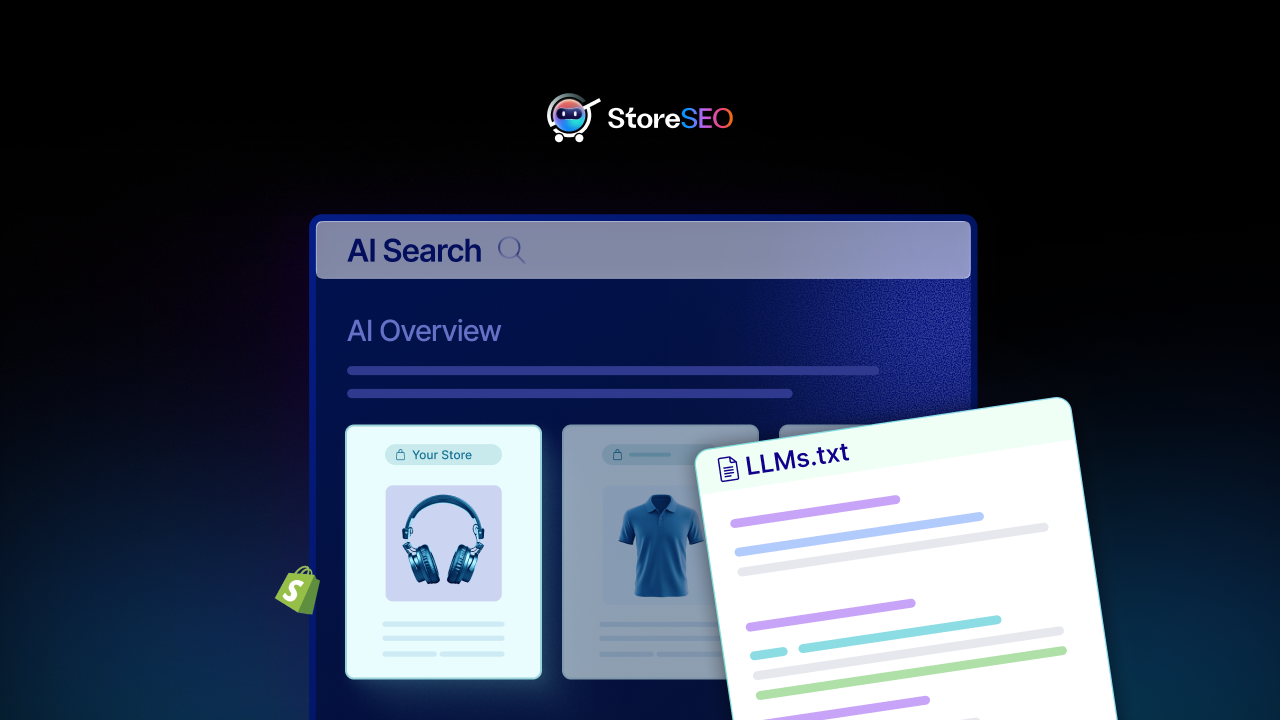
LLMs.txtは、AI時代のrobots.txtと考えてください。これは、大規模な言語モデルにサイトの読み取りと理解方法を指示するシンプルなファイルです。強調すべき商品、ブランドのイメージ、主要なコレクションなど、様々な情報を提供します。AI検索が拡大するにつれ、LLMs.txtが適切に設定されているストアは、より正確な商品レコメンデーションや回答に誘導される可能性が高くなります。 キーSEO まだ過小評価されているが、不可欠になりつつあるシグナル。.

「Shopify 向けに構築」バッジは重要ですか?

もちろんです。Shopifyは、スピード、セキュリティ、デザイン、そして高度な統合性について厳しいテストをクリアした上で、この技術を採用しています。StoreSEO、Avada、TinyIMG、SearchPieといったアプリもこの技術を採用しており、バグが少なく、パフォーマンスも向上し、アップデートもスムーズです。これは、高品質なサービスを受けられるという確かな証です。 SEOプラグイン プラットフォーム専用に構築されています。.

最も優れた顧客サポートを提供するアプリはどれですか?

サポートの質は様々ですが、StoreSEOは24時間365日対応のライブチャット(無料プランでも)と真に役立つ回答で常に高い評価を得ています。SearchPieも、専門家レベルのSEOアドバイスをチームから得られる人気のサービスです。TinyIMGとAvadaも対応は良いですが、待ち時間は変動することがあります。 SEOレビュー 修正や難しい移行など、迅速かつ知識豊富なサポートが大きな違いを生みます。.

アプリを切り替えると、現在の SEO ランキングに影響しますか?

移行を賢く行えば問題ありません。まずすべて(メタ情報、ディスクリプション、リダイレクト、スキーマ)をエクスポートし、新しいアプリをインストールしてすぐにGoogle Search Consoleに接続し、何も落ちていないことを確認してください。積極的な最適化を行わずに短期間で移行すると問題が発生する可能性がありますが、スムーズな移行であれば、時間の経過とともにランキングを維持、あるいは向上させることも可能です。.

最も過小評価されている注目すべき機能は何ですか?

分かりやすい英語での説明と修正提案を備えた、実践的で詳細なGoogle Search Consoleとの連携。多くのマーチャントがGSCに接続していますが、生のデータの多さに圧倒されています。 Shopifyに最適なSEOアプリ これらの分析情報を「これら 47 個のクロール エラーを修正する」や「これらの CTR の低いページを強化する」などの明確な次のステップに変換することで、迅速に行動し、実際の利益を得ることができます。.

これで疑問が解消されたでしょうか?今、選択肢を比較しているなら、店舗の規模、予算、そして強力な AI検索 クラシックと並んで準備 SEO機能. 最適化を楽しんでください!

2026年のブースターSEO代替ロードマップ

2025年にAI最適化SEO戦略を導入したマーチャントは、AI検索の成長に伴い、そのメリットを実感しています。最適なBooster SEOの代替手段の選択は、お客様の具体的な優先事項によって異なります。.

ゴール別エキスパートピック

あなたの目標ベストチョイス期待される影響
AI検索ランキングに最適ストアSEOChatGPT/Perplexity の可視性のための LLMs.txt + AI エージェント
最高の無料層アバダSEO$0で月1,500枚の画像
画像最適化に最適タイニーIMG70%+ 品質損失なしの圧縮
初心者に最適検索パイ24時間365日のサポートによるステップバイステップのガイダンス
最高の予算オプションスマートSEO月額わずか$9.99で完全自動化
ページスピードに最適SEOアントCore Web Vitalsに重点を置いた最適化

ブースターSEOの代替案に関する最終的な考察

ベストを選ぶとき ブースターSEO あるいは、スピード、画像の最適化、技術的な修正、従来のランキング力、あるいは新興の AI エコシステム (ChatGPT、Gemini、Perplexity など) で先行し続けることなど、現時点でストアにとって何が最も重要なのかということに本当に帰着します。.

SEO最適化には今でも多くの人が古典的な手法を信頼しています。一方で、 役立つツール プロセスを簡素化します。特に Shopifyは基本的なSEOを提供します 限られた範囲の機能のみ。.

でも正直に言うと、もしあなたが真剣にカバーしたいなら 従来のSEOと 急速に成長するAI検索環境, ストアSEO の一つとして際立っています 最高のSEOツール (そしておそらく 最高のアプリ ストアの将来性を確保するために、今すぐに始めましょう。.

内蔵の LLMs.txt ジェネレーター そして AI SEOエージェント プロの SEO ツールのような最適なコンテンツに AI モデルを誘導して最適化するなど、ほとんどの競合他社がまだ手を付けていない最適化のニーズに取り組みます。.

また、 必須SEO 期待通りのもの:バルク SEOの問題を修正する, 代替テキストの自動化、メタタグ、サイトマップ、画像圧縮など。別途 SEOスパイダー あるいは手動でのクロールなど、すべてが1つのシンプルなダッシュボードにまとめられています。 SEOマネージャー またはジェネリック SEOツールキット アプリでは、StoreSEO がよりモダンで積極的に感じられます。.

SEOのベストプラクティス 2026年には、従来の戦略(キーワード調査、ページ上の調整)と ユニークなSEO AIクローラー向け。このようなツール SEOを簡素化 それを単純化することなく、多くの商人がそれを呼んでいます 優れたSEO 測定可能な成果をもたらすため SEOの成功 チャネルを越えて。.

SEO以来 急速に進化し続けています, 保管するためのツール ストアの最適化は譲れない。StoreSEOの SEO機能は簡単 セットアップするには、 無料の 始める計画を立てれば、すぐに見つけられます SEO問題に関するウェブサイト スキャンを通じて。.

結論: 従来の検索とAIによる検索の両方で成功を目指すマーチャントにとって、StoreSEOは最も包括的で先進的な選択肢であり、SEOブースターの最適な代替手段でもあります。今週、無料プランを入手して、 LLMs.txt ジェネレーター, Google Search Console に接続し、今後30日間、効果をモニタリングしてください。有料アップグレードを正当化するほどの効果が得られる可能性が高く、少なくともどこにギャップがあるのかを正確に把握できるでしょう。.

SEO Schema for better Shopify CTR and Rich Results

StoreSEOを使用したShopifyストアのCTRとリッチリザルトを改善するSEOスキーマ

Google検索でリッチリザルトを表示するページは、リッチリザルトを表示しないページと比較して、クリックスルー率が82%高くなっています。一方、Google検索で上位にランクインしているページの72.6%はスキーママークアップを使用しており、最も注目度の高いeコマースサイトが既に構造化データの実装を優先していることを示しています。. 

「How SEO Schema Improves CTR and Rich Results on Shopify Stores with StoreSEO」の続きを読む
Best Shopify SEO Apps

2026年版 Shopify SEOアプリおすすめ10選:ランキング上位獲得のための専門家テスト済み(完全ガイド)

オーガニック検索は約 Shopifyストアへのトラフィック全体の33%、, しかし、80%のストアオーナーがSEO最適化を十分に活用していません(Shopifyの2025年コマースレポートによる)。2025年3月時点で、AIオーバービューはGoogle検索の13.14%に表示されており、適切なSEOアプリの選択は、eコマースの成功にとってこれまで以上に重要になっています。.

「10 Best Shopify SEO Apps in 2026: Expert-Tested for Higher Rankings (Complete Guide)」の続きを読む
UCP

2026年のユニバーサルコマースプロトコル(UCP):Shopifyストアを準備するための7つの専門家戦略(完全ガイド)

Shopifyは、AIエージェントが顧客に代わって商品を発見、推奨、そして購入手続きを完了することを可能にするオープンスタンダード「Universal Commerce Protocol(UCP)」をリリースしました。Shopify加盟店にとって、これは単なる技術アップデートではありません。.

Universal Commerce Protocol (UCP) Explained: 5+ Powerful Expert Insights On Agentic Commerce for Shopify
「Universal Commerce Protocol (UCP) in 2026: 7 Expert Strategies to Prepare Your Shopify Store (Complete Guide)」の続きを読む
best shopify hacks

2026年のShopify活用術ベスト10:Shopifyの売上とトラフィックを伸ばす(完全ガイド)

あなたの 電子商取引ストア 競争の激しい市場で目立つ方法を見つけ、売上を伸ばすには?専門家が検証したShopifyの10の裏技で 売上を増やす 最大1~2倍に増加し、全体的な 顧客体験 すべての 買い物客 あなたの訪問 オンラインストア.

「10 Best Shopify Hacks in 2026: Boost Shopify Sales & Traffic (Complete Guide)」の続きを読む
ai overviews

AI概要はeコマースのFAQ回答にどのような表現形式を好むのか

AIによる概観は、コンテンツ最適化に対する私たちの考え方を根本的に変えました。従来の検索ランキングのみを目的としたライティングではなく、コンテンツ作成者は大規模言語モデルによる抽出を念頭に置いてライティングを行う必要があります。特にFAQの回答に関しては、AIシステムは特定のフォーマット手法を好んで用います。これらの好みを理解することで、引用される可能性が飛躍的に高まります。 Google AI概要、ChatGPT、Perplexity、, およびその他の生成型検索プラットフォーム。重要な洞察はシンプルです。AIは、人間がゆっくりと読むコンテンツよりも、迅速に抽出できるように構造化されたコンテンツを好むのです。

「What Wording Formats Do AI Overviews Prefer for FAQ Answers in eCommerce」の続きを読む
faq schema for shopify stores

[新機能] Shopifyストア向けFAQスキーマ:よくある質問をSEO効果の高いリッチリザルトに変換

人々がオンラインで情報を見つけ、利用し、やり取りする方法は、かつてないほど急速に変化しています。Shopifyストア向けFAQスキーマは、この変化に役立ちます。. 従来の「10個の青いリンク」検索結果 リッチスニペット、会話型検索、AIによる要約表示が主流になりつつあります。現代の買い物客は、答えを探すために必ずしもリンクをクリックするわけではありません。検索結果やAIアシスタントから直接答えが得られることを期待しているのです。.

この変化は Shopifyのマーチャントは検索エンジンだけでなく、理解度も最適化する必要がある. ここで、Shopify ストア向け FAQ スキーマが役立ちます。.

「[New Feature] FAQ Schema for Shopify Stores: Turn Common Questions into SEO-Boosting Rich Results」の続きを読む
Year In Review 2025

2025年を振り返る:爆発的な成長、AIによるブレークスルー、そして止められない勢い

素晴らしい2025年を締めくくるにあたり、私たちは共に築き上げてきたすべてのことへの感謝と興奮で胸がいっぱいです。今年は、力を与える一年でした。 ショッピファイ 商人 スマートで、, AIを活用したSEO 実際のトラフィック、より豊かな可視性、そして将来を見据えた成長を実現する機能 AI検索エンジン そして ゼロクリックの結果. そこで、2025年の振り返りをまとめてみました。.

「Year in Review 2025: Explosive Growth, AI-Powered Breakthroughs & Unstoppable Momentum」の続きを読む
AEO

Shopify商品ページでAEOベストプラクティスを実装する方法

潜在顧客が問題の解決策を探すとき、ますます多くの ChatGPTのようなAI搭載システム、, Google AIの概要, 、そして困惑 従来の検索結果の代わりに、Shopify製品ページの最適化方法に根本的な変化が求められています。. 

回答エンジン最適化(AEO) もはや「あったらいい」戦略ではなく、eコマースの成功に不可欠なものになりつつあります。ページ全体のランキングに焦点を当てる従来のSEOとは異なり、AEOはAIシステムによって選択されたページ内の特定の回答をターゲットとします。商品ページがAIエンジン向けに最適化されていない場合、潜在顧客の拡大に繋がらないリスクがあります。.

「How to Implement AEO Best Practices on Shopify Product Pages」の続きを読む