
Dopracowałeś zdjęcia swoich produktów do perfekcji. Wysyłka jest błyskawiczna. Obsługa klienta jest nienaganna. Ale oto niewygodna prawda: jeśli Twoich produktów nie można znaleźć w Google, to nic nie ma znaczenia.
Różnica między sklepem Shopify, który przyciąga stały strumień ruchu organicznego, a takim, który ma trudności z wyróżnieniem się, często sprowadza się do jednej rzeczy: grup słów kluczowych w opisach produktów.
Powiedzmy sobie szczerze: większość właścicieli sklepów Shopify optymalizuje opisy produktów w niewłaściwy sposób. Wrzucają tu i ówdzie docelowe słowo kluczowe, ewentualnie kilka powiązanych terminów i liczą na dobre rezultaty. Potem zastanawiają się, dlaczego ich konkurencja (ci, którzy stosują grupowanie słów kluczowych) plasują się wyżej w rankingu i przechwytują lwią część ruchu z wyszukiwarek.
W tym blogu pokażemy Ci dokładnie, czym są klastry słów kluczowych, dlaczego są istotne dla sukcesu Twojego sklepu Shopify i, co najważniejsze, jak je wdrożyć, aby wyprzedzić konkurencję już dziś.
Czym są klastry słów kluczowych? Podstawy, które musisz zrozumieć
Zacznijmy od podstaw, ale nie pomijaj tego — dogłębne zrozumienie klastrów słów kluczowych jest tym, co odróżnia zwycięzców od pozostałych.
Klaster słów kluczowych to grupa powiązanych haseł wyszukiwania, które mają tę samą (lub bardzo podobną) intencję użytkownika, znaczenie semantyczne i cechy charakterystyczne dla SERP. Zamiast traktować każde słowo kluczowe jako odizolowany cel, grupujesz je i optymalizujesz pojedynczą stronę – lub zestaw powiązanych ze sobą stron – aby uzyskać pozycję w wynikach wyszukiwania dla całego klastra. Oto praktyczny przykład:
Zamiast tworzyć osobne strony produktów dla:
- “Męska koszulka bawełniana”
- “Najlepsza męska bawełniana koszulka”
- “Oddychająca bawełniana koszulka dla mężczyzn”
- “Lekka bawełniana koszula na lato”
Stworzyłbyś jedną główną stronę produktu zoptymalizowaną pod kątem całego klastra. Każde z tych słów kluczowych ma tę samą intencję – klienta, który chce kupić bawełniany T-shirt męski – więc jedna dobrze zaprojektowana strona (z inteligentnym linkowaniem wewnętrznym) może być pozycjonowana dla wszystkich z nich.
Dlaczego to jest ważne (i dlaczego Google to nagradza)
Rzecz w tym, że Google nie myśli już w kategoriach pojedynczych słów kluczowych. Wyszukiwarka przetwarzanie języka naturalnego (NLP) Algorytm rozumie relacje semantyczne, kontekst i intencję. Optymalizując pod kątem klastra zamiast pojedynczych słów kluczowych, możesz:
- Zgodność z rzeczywistym sposobem działania Google – nowoczesne wyszukiwarki interpretują relacje między słowami kluczowymi i oceniają strony na podstawie trafności tematycznej, a nie liczby słów kluczowych
- Kompleksowe uwzględnienie intencji wyszukiwania – klient wyszukujący “kup koszulkę z bawełny organicznej” ma taki sam zamiar jak ktoś wyszukujący “męską koszulę z bawełny organicznej”, ale z inną frazą
- Budowanie autorytetu tematycznego – gdy Twoje treści dokładnie obejmują dany temat i jego powiązane warianty, Google postrzega Twoją witrynę jako wiarygodne źródło informacji
- Ograniczanie kanibalizacji słów kluczowych – bez klastrowania możesz mieć wiele stron produktów konkurujących o te same słowa kluczowe, co osłabia Twoją siłę rankingową
Efekt? Jedna mocna strona zawsze pokonuje dziesięć słabych.
Różnica między losowymi słowami kluczowymi a inteligentnym klastrowaniem
Pozwól, że pokażę Ci zasadniczą różnicę między chaotycznym a strategicznym podejściem do słów kluczowych.
Stary sposób (co robi większość ludzi)
Typowy opis produktu Shopify może wyglądać następująco:
Tytuł: “Koszulka męska”
Metaopis: “Wysokiej jakości męska koszulka z bawełny. Kup teraz.”
Opis produktu: “Ta koszulka jest wykonana z bawełny. Jest wygodna. Idealna do noszenia na co dzień. Dostępna w wielu rozmiarach.”
Co tu jest nie tak? Wszystko.
- Tytuł jest ogólny i nie wskazuje na konkretną intencję wyszukiwania
- W metaopisie brakuje słów kluczowych i przekonującej treści
- W opisie niezręcznie powtórzono słowa “bawełna” i “koszulka” bez zmiany semantycznej
- Nie uwzględniono żadnych słów kluczowych drugorzędnych ani odmian z długim ogonem
- Brak wyraźnej propozycji wartości lub zróżnicowania
Wynik: Ta strona może i jest wysoko w wynikach wyszukiwania dla frazy “męska koszulka” po miesiącach wysiłków, ale nie generuje prawie żadnego ruchu organicznego, ponieważ nie uwzględnia tysięcy powiązanych wariantów, których faktycznie szukają klienci.
Inteligentny sposób (grupowanie słów kluczowych)
Teraz zoptymalizujmy ten sam produkt, wykorzystując klaster słów kluczowych:
Główne słowo kluczowe: “Koszulka męska z bawełny organicznej”
Słowa kluczowe drugorzędne: “Najlepsza oddychająca koszulka dla mężczyzn”, “Lekka bawełniana koszula na lato”, “Ekologiczna męska koszula casualowa”
Warianty z długim rękawem: “Koszulka z organicznej bawełny, która się nie kurczy”, “Zrównoważona odzież męska”, “Hipoalergiczna bawełniana koszulka dla skóry wrażliwej”
Zoptymalizowany tytuł produktu:
“Koszulka męska z bawełny organicznej — oddychająca, lekka, przyjazna dla środowiska”
Metaopis (155 znaków):
“Męski T-shirt z bawełny organicznej premium. Hipoalergiczny, oddychający i ekologiczny. Idealny na lato. Darmowa wysyłka przy zamówieniach powyżej $50. Kup teraz.”
Opis produktu (strategiczne umiejscowienie słów kluczowych):
“Odkryj idealną męską koszulkę z organicznej bawełny, która zapewni Ci wygodę na co dzień. Wykonana z oddychającej bawełny pochodzącej ze zrównoważonych źródeł, ta lekka koszulka zapewni Ci chłód zarówno w biurze, jak i na świeżym powietrzu. Nasza ekologiczna męska koszulka została zaprojektowana dla mężczyzn, którym zależy na jakości i środowisku.
Dlaczego ta koszulka się wyróżnia:
- Hipoalergiczna bawełna organiczna (idealna dla skóry wrażliwej)
- Lekka i przewiewna tkanina (idealna na lato)
- Zrównoważone metody produkcji (bez szkodliwych substancji chemicznych)
- Wstępnie skurczone, aby zachować dopasowanie (nie kurczy się po praniu)
- Dostępne w 10 kolorach
Niezależnie od tego, czy szukasz męskiej odzieży codziennej, która jest zrównoważona, hipoalergicznej bawełnianej koszulki, czy po prostu najlepszej organicznej męskiej koszuli do noszenia na co dzień, to jest odpowiedź…”
Widzisz różnicę?
Drugie podejście:
- ✅ Naturalnie kieruje reklamy na główne słowo kluczowe
- ✅ Zawiera drugorzędne słowa kluczowe i warianty semantyczne
- ✅ Obsługuje wiele długich zapytań wyszukiwania
- ✅ Zapewnia jasne propozycje wartości
- ✅ Zachowuje czytelność, optymalizując ją pod kątem wyszukiwania
- ✅ Odpowiada na pytania klientów (hipoalergiczne? Nie kurczą się? Oddychające?)
Ta strona ma potencjał, aby uzyskać wysoką pozycję w wynikach wyszukiwania dla ponad 200 powiązanych słów kluczowych, a nie tylko jednego.
Dlaczego klastry słów kluczowych są zalecane dla sklepów Shopify?
Podzielmy się konkretnymi korzyściami, jakie faktycznie zobaczysz po wdrożeniu grupowania słów kluczowych w swoim opisy produktów:
1. Zwiększona widoczność organiczna
Optymalizując grupę słów kluczowych, nie starasz się uzyskać wysokiej pozycji w wynikach wyszukiwania dla jednego słowa kluczowego; strategicznie koncentrujesz się na 20, 50, a nawet ponad 100 powiązanych wariantach.
Studium przypadku z Backlinko pokazuje siłę tego podejścia: zbudowali centrum treści z 57 powiązanymi stronami zorganizowanymi wokół klastrów słów kluczowych. Efekt? Ten pojedynczy klaster jest teraz pozycjonowany dla ponad 29 000 słów kluczowych i generuje ponad 158 000 organicznych odwiedzających miesięcznie.
W przypadku sklepu Shopify przekłada się to bezpośrednio na ruch. Zamiast 10 wyszukiwań miesięcznie na hasło “męska koszulka z organicznej bawełny”, możesz uzyskać ponad 50 wyszukiwań dla wszystkich powiązanych wariantów, pod kątem których dokonałeś optymalizacji.
A to się pogłębia. Im więcej klientów Cię znajdzie, tym więcej recenzji, więcej linków i wyższy autorytet – co pomoże Ci uzyskać jeszcze lepszą pozycję w wynikach wyszukiwania dla nowych słów kluczowych.
2. Wyższe wskaźniki konwersji dzięki ukierunkowanemu ruchowi
Oto, co jest najważniejsze: grupowanie słów kluczowych nie polega tylko na generowaniu większego ruchu, ale na uzyskiwaniu lepsza ruch drogowy.
Optymalizując pod kątem klastrów, naturalnie przyciągasz klientów, którzy są na dalszym etapie ścieżki zakupowej. Osoba wyszukująca “najlepsza oddychająca bawełniana koszula dla mężczyzn na lato” jest znacznie bliżej zakupu niż osoba wyszukująca “co to jest bawełna?” (intencja informacyjna).
Grupując słowa kluczowe według intencji wyszukiwania, masz pewność, że:
- Zapytania informacyjne należy kierować na blog lub strony z często zadawanymi pytaniami
- Zapytania komercyjne (“najlepsze męskie koszule organiczne”) przejdź do porównania lub listy treści
- Zapytania transakcyjne (“kup męską koszulkę z bawełny organicznej”) prowadzą bezpośrednio do stron produktów
Takie dopasowanie intencji wyszukiwania i typu strony przekłada się na wyższy współczynnik klikalności i większą liczbę konwersji.
3. Zmniejszona kanibalizacja słów kluczowych
Oto problem, który często spotykamy w sklepach Shopify:
Właściciel sklepu ma pięć podobnych produktów (męskie koszulki w różnych kolorach). Bez grupowania mogliby mieć pięć oddzielnych stron produktów, zoptymalizowanych pod podobne słowa kluczowe. Google ma problem – która strona powinna znaleźć się w wynikach wyszukiwania dla frazy “męska koszulka z organicznej bawełny”? Rezultat: słabe pozycje na wszystkich stronach.
Dzięki grupowaniu słów kluczowych możesz:
- Posiadaj jedną główną stronę produktu, która jest skierowana do głównego klastra
- Użyj tagów kanonicznych, aby skonsolidować siłę rankingową
- Rezerwuj strony wariantowe (różne kolory/rozmiary) na potrzeby wyszukiwań long-tail i o dużej szczegółowości
- Zbuduj wewnętrzne linki, aby wzmocnić autorytet strony głównej
Wynik: Jedna silna strona rankingowa zamiast pięciu słabych stron konkurujących ze sobą.
4. Łatwiej pokonać konkurencję
Oto coś, czego większość ludzi ci nie powie: grupowanie słów kluczowych zapewnia strategiczna przewaga w stosunku do konkurentów.
Większość Twoich konkurentów optymalizuje opisy produktów w tradycyjny sposób – kierując je na jedno główne słowo kluczowe i licząc na najlepsze rezultaty. Wdrażając klastering, możesz:
- Obejmując więcej wariantów intencji wyszukiwania
- Szybciej buduj autorytet tematyczny (Google ma do Ciebie większe zaufanie)
- Tworzenie silniejszej struktury linków wewnętrznych
- Przechwytując ruch z długiego ogona, Twoi konkurenci go pomijają
Matematyka jest prosta: podczas gdy Twój konkurent plasuje się na 1-2 słowach kluczowych na stronie produktu, Ty plasujesz się na 50+. To daje 25-50-krotny wzrost ruchu.
5. Budowanie autorytetu tematycznego (długoterminowy sukces)
Model EEAT firmy Google (ekspertyza, doświadczenie, autorytet, wiarygodność) coraz częściej nagradza witryny wykazujące się dogłębną wiedzą na określone tematy.
Korzystając z grupowania słów kluczowych w katalogu Shopify, w zasadzie budujesz sieć powiązanych, eksperckich treści wokół swojej niszy. Klient kupujący ekologiczną odzież męską znajduje:
- Twoja główna strona produktu (zoptymalizowana pod kątem klastra “męskie koszulki z bawełny organicznej”)
- Powiązane strony produktów (powiązane wewnętrznie, obejmujące takie warianty, jak “koszulki damskie z bawełny organicznej”, “organiczny sprzęt do ćwiczeń”)
- Wpis na blogu w sekcji FAQ dotyczący “jak dbać o odzież z bawełny organicznej”.”
- Strona kategorii “zrównoważona moda męska”.”
- Połączenia tworzące przejrzystą architekturę
Google to dostrzega i myśli: “Ta strona wie wszystko o zrównoważonej odzieży organicznej. To autorytet”.”
Rezultat: Wyższe pozycje w wynikach wyszukiwania, większy ruch organiczny, lepsze doświadczenia użytkowników i silniejsze postrzeganie marki.
Trzy typy grupowania słów kluczowych, które musisz znać
Podczas tworzenia klastrów dla swojego sklepu Shopify napotkasz trzy główne metody klastrowania. Zrozumienie każdej z nich pomoże Ci wybrać odpowiednią strategię:
1. Klastrowanie semantyczne (oparte na znaczeniu)
Grupuje słowa kluczowe na podstawie ich znaczenia językowego i powiązań, nawet jeśli nie pojawiają się razem w wynikach wyszukiwania.
Przykładowy klaster:
- “Koszulka z bawełny organicznej dla mężczyzn”
- “Zrównoważona męska koszulka”
- “Ekologiczna, casualowa koszula dla mężczyzn”
- “Odzież męska przyjazna dla środowiska”
Mocne strony: Doskonałe do zrozumienia naturalnych odmian języka używanych przez klientów i zapewnienia kompleksowości treści.
Ograniczenie: Możesz grupować słowa kluczowe, które Google traktuje jako różne intencje, co może prowadzić do kanibalizacji.
2. Klastrowanie oparte na SERP (co tak naprawdę pokazuje Google)
Analizuje rzeczywiste wyniki wyszukiwania Google. Jeśli te same strony są wyświetlane w wynikach wyszukiwania dla wielu słów kluczowych, to należą one do tego samego klastra.
Przykład: Jeśli pierwsze pięć wyników wyszukiwania dla frazy “męska koszula z bawełny organicznej” jest niemal identycznych z pierwszymi pięcioma wynikami wyszukiwania dla frazy “męska koszulka ekologiczna”, to według interpretacji Google słowa kluczowe te znajdują się w tym samym klastrze.
Siła: Pokazuje, w jaki sposób Google faktycznie interpretuje relacje między słowami kluczowymi, minimalizując ryzyko kanibalizacji.
Ograniczenie: Można grupować słowa kluczowe, które nie są podobne semantycznie, ale mają ten sam cel wyszukiwania, co może wydawać się mniej naturalne z punktu widzenia treści.
Najlepsze podejście do Shopify? Połącz obie metody:
- Zacznij od klastrowania semantycznego, aby zrozumieć naturalne relacje między słowami kluczowymi
- Przeprowadź weryfikację przy użyciu klastrowania opartego na SERP, aby mieć pewność, że Google widzi je w ten sam sposób
- Zoptymalizuj odpowiednio strony swoich produktów
3. Klastrowanie słów kluczowych z długim ogonem
Koncentruje się to w szczególności na dłuższych, bardziej szczegółowych frazach wyszukiwania. W przypadku e-commerce jest to szczególnie cenne, ponieważ słowa kluczowe z długim ogonem zazwyczaj charakteryzują się:
- Wyższy zamiar komercyjny (osoby gotowe na zakup)
- Mniejsza konkurencja (łatwiejsze uzyskanie pozycji w rankingu)
- Lepsze wskaźniki konwersji (wyższe o 10–15% w porównaniu z terminami głównymi)
Przykład strony produktu młynek do kawy:
Słowo kluczowe: “Ręczny młynek do kawy”
Klaster długiego ogona:
- “Najlepszy ręczny młynek do kawy na kemping”
- “Ręczny młynek do kawy z żarnami ceramicznymi”
- “Jak wyczyścić ręczny młynek do kawy”
- “Który młynek do kawy jest lepszy: ręczny czy elektryczny”
- “Przenośny młynek ręczny do podróży”
Dlaczego to ma znaczenie dla Shopify: Słowa kluczowe z długim ogonem często mają mniejszą konkurencję. Podczas gdy ogólne “ręczny młynek do kawy” może mieć problem z wynikiem 60/100, “najlepszy ręczny młynek do kawy na kemping” może mieć 25/100. Będziesz szybciej pozycjonować się w rankingu i przyciągniesz klientów, którzy są na dalszym etapie ścieżki zakupowej.
Krok po kroku: Jak tworzyć klastry słów kluczowych dla produktów Shopify
No dobrze, przejdźmy do konkretów. Oto jak dokładnie budować klastry słów kluczowych w opisach produktów:
Krok 1: Zacznij od kompleksowego badania słów kluczowych
Zanim cokolwiek pogrupujesz, potrzebujesz solidnej listy słów kluczowych. Oto jak to zrobić:
Dla każdej kategorii produktów zidentyfikuj:
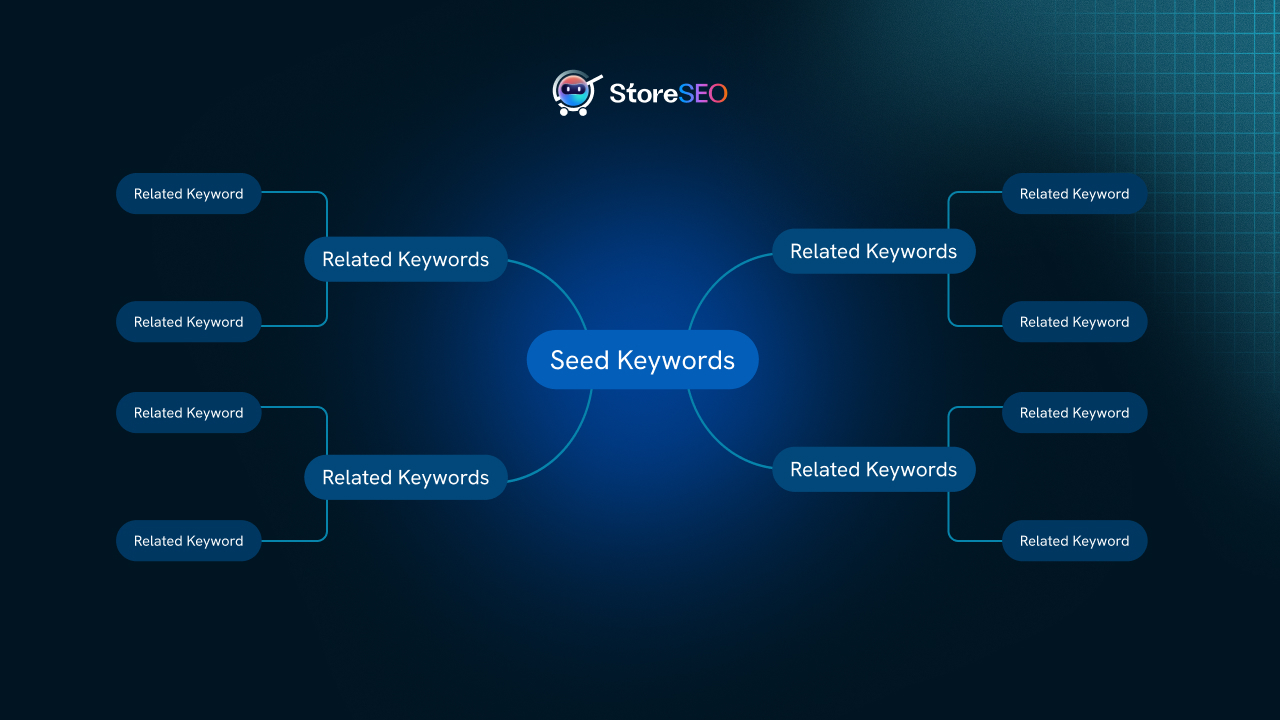
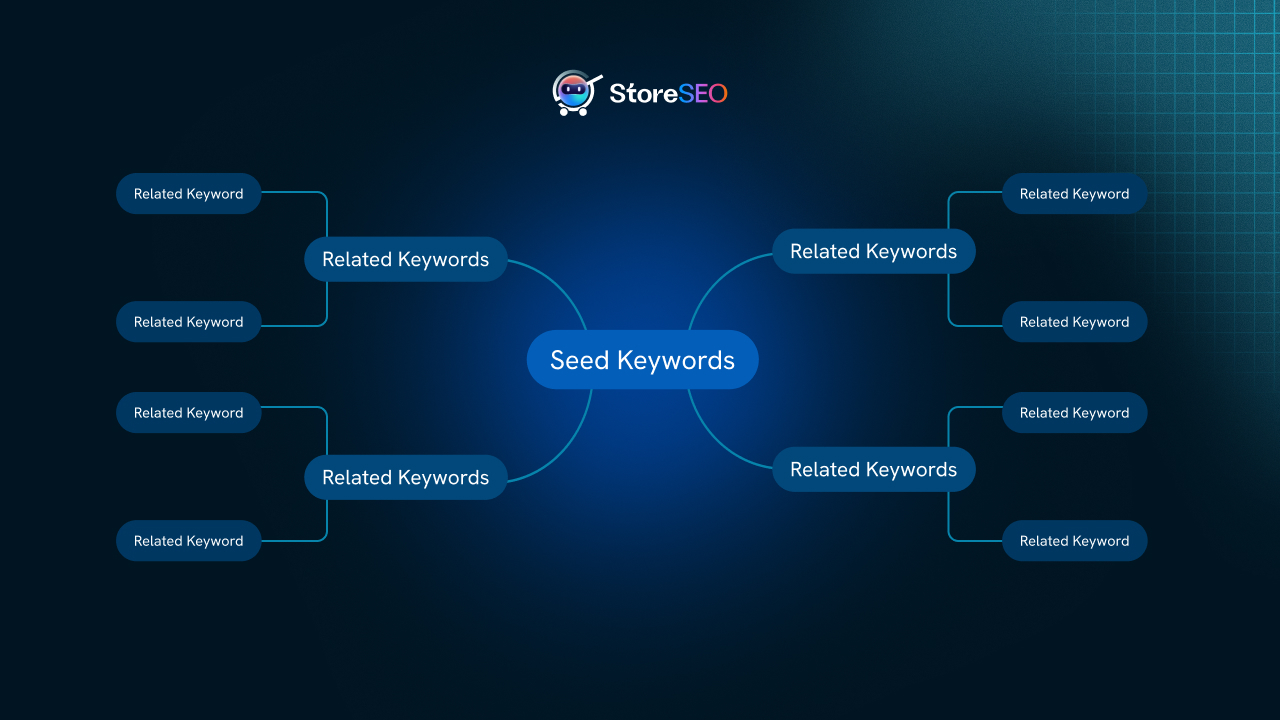
- Podstawowe słowo kluczowe (słowo kluczowe seed):
Podstawowy termin opisujący Twój produkt. W przypadku maty do jogi: “mata do jogi” lub “antypoślizgowa mata do jogi”.” - Wykorzystaj narzędzia SEO, aby się rozwijać:
- Narzędzie SEMrush Keyword Magic
- Eksplorator słów kluczowych Ahrefs
- Eksplorator słów kluczowych Moz
- Planer słów kluczowych Google (bezpłatny)
- Wyszukaj swoje główne słowo kluczowe i pobierz wszystkie powiązane słowa kluczowe za pomocą:
- Miesięczna objętość wyszukiwań
- Wynik trudności słowa kluczowego
- Intencja wyszukiwania (informacyjna, komercyjna, transakcyjna, nawigacyjna)
- Powiązane warianty długiego ogona
- Nie zapomnij o języku klienta:
Przyglądać się:- Opinie klientów na temat Twojej konkurencji (jaki język jest używany przez ludzi?)
- Wyszukiwanie produktów w serwisie Amazon (jakie automatyczne uzupełnianie jest wyświetlane?)
- Autouzupełnianie Google (zacznij wpisywać słowo kluczowe i zobacz sugestie)
- Reddit/fora (w jaki sposób klienci dyskutują o tym produkcie?)
Lista docelowa dla produktu “Mata do jogi”:
- Mata antypoślizgowa do jogi
- Najlepsza mata do jogi dla początkujących
- Mata do jogi z paskiem do noszenia
- Gruba mata do jogi na kolana
- Ekologiczna mata do jogi
- Mata do jogi na gorąco
- Lekka mata do jogi podróżnej
- Mata do jogi, która nie śmierdzi
- Fioletowa mata do jogi
- Jaka powinna być grubość maty do jogi?
Krok 2: Uporządkuj słowa kluczowe według intencji wyszukiwania
To jest kluczowe. Słowa kluczowe o różnym przeznaczeniu wymagają różnych stron.
Cztery intencje wyszukiwania:
Informacje: “Jak wybrać matę do jogi”, “Jaka jest najlepsza grubość maty do jogi”, “Jak czyścić matę do jogi”
→ Te informacje powinny znaleźć się we wpisach na blogu, a nie na stronach produktów
Reklama: “Najlepsze maty do jogi”, “Najlepsze maty do jogi dla początkujących”, “Recenzje mat do jogi”
→ Te pozycje znajdują się na stronach porównawczych/listowych lub stronach kategorii
Transakcyjne: “Kup matę do jogi”, “Zamów matę antypoślizgową do jogi”, “Darmowa wysyłka maty do jogi”
→ Te elementy znajdują się na stronach produktów (to właśnie chcesz umieścić w swoich produktach Shopify)
Nawigacja: “Mata do jogi Lululemon”, “Mata do jogi Manduka”, “Mata do jogi Reddit”
→ Wyszukiwania dotyczące konkretnych marek; mniej trafne, chyba że jesteś fanem tych marek
Na stronach swoich produktów skoncentruj się na słowach kluczowych związanych z transakcjami i kilku słowach kluczowych związanych z działalnością komercyjną, które wskazują na wysoki zamiar zakupu.
Utwórz prosty arkusz kalkulacyjny:
| Słowo kluczowe | Intencja wyszukiwania | Wolumen wyszukiwania | Trudność | Strona docelowa |
| Mata antypoślizgowa do jogi | Transakcyjny | 2,900 | 35 | Produkt – mata do jogi |
| Najlepsza mata do jogi dla początkujących | Handlowy | 1,800 | 42 | Kategoria lub produkt |
| Jak czyścić matę do jogi | Informacyjny | 950 | 15 | Wpis na blogu |
| Kup ekologiczną matę do jogi | Transakcyjny | 480 | 28 | Produkt – Mata Ekologiczna |
| Gruba mata do jogi na kolana | Transakcyjny | 320 | 22 | Produkt – mata do jogi |
Krok 3: Grupowanie słów kluczowych w klastry
Teraz uporządkuj swoje słowa kluczowe transakcyjne w klastry. Słowa kluczowe w tym samym klastrze powinny mieć:
- Ten sam cel wyszukiwania
- Znaczenie semantyczne (znaczenie powiązane)
- Podobne wyniki SERP (po wpisaniu ich w wyszukiwarkę Google, podobne strony zajmują wyższe pozycje)
Przykładowy klaster dla Twojej strony produktu maty do jogi:
Nazwa klastra: “Przyjazna dla początkujących antypoślizgowa mata do jogi”
Główne słowo kluczowe: Mata antypoślizgowa do jogi (2900 wyszukiwań miesięcznie, poziom trudności 35)
Słowa kluczowe drugorzędne:
- Najlepsza mata do jogi dla początkujących (1800/miesiąc)
- Gruba mata do jogi na kolana (320/miesiąc)
- Mata antypoślizgowa do jogi (410/miesiąc)
Słowa kluczowe długiego ogona:
- Mata do jogi antypoślizgowa z paskiem do noszenia
- Najlepsza mata do jogi na ból stawów
- Mata do jogi, która się nie ślizga
- Mata do jogi dla początkujących z oznaczeniami wyrównania
- Gruba antypoślizgowa mata do jogi
Wszystkie te słowa kluczowe wskazują na osobę poszukującą łatwej w użyciu, antypoślizgowej maty do jogi dla początkujących. Jedna dobrze zoptymalizowana strona produktu może być wysoko w wynikach wyszukiwania dla wszystkich tych słów kluczowych.
Inny przykład klastra dla wariantu przyjaznego dla środowiska:
Nazwa klastra: “Ekologiczna mata do jogi”
Główne słowo kluczowe: Ekologiczna mata do jogi (890/miesiąc)
Słowa kluczowe drugorzędne:
- Mata do jogi z naturalnego kauczuku (620/miesiąc)
- Zrównoważona mata do jogi (480/miesiąc)
- Nietoksyczna mata do jogi (340/miesiąc)
Słowa kluczowe długiego ogona:
- Najlepsza ekologiczna mata do jogi wyprodukowana w USA
- Zrównoważona mata do jogi w wysokiej temperaturze
- Mata z naturalnego kauczuku bez syntetycznego zapachu
- Mata do jogi wykonana z materiałów pochodzących z recyklingu
Kluczowy wniosek: Te dwa klastry mają różne przeznaczenie. Chociaż oba potrzebują maty do jogi, pierwszy klaster jest skierowany do początkujących, którym zależy na stabilności, a drugi do klientów dbających o środowisko. W zależności od posiadanych zasobów możesz:
- Opcja A: Utwórz dwie oddzielne strony produktów (po jednej dla każdego klastra)
- Opcja B: Utwórz jedną stronę produktu, która będzie atrakcyjna dla obu stron i użyj paginacji/filtrów dla wariantów
- Opcja C: Utwórz jedną główną stronę produktu i link do strony kategorii wariantów
Krok 4: Określ swoją strategię treści
Dla każdego klastra podejmij decyzję:
Czy powinienem zoptymalizować istniejącą stronę produktu czy utworzyć nową?
Zadaj sobie pytanie:
- Czy mam produkt idealnie pasujący do tego klastra? → Zoptymalizuj istniejącą stronę
- Czy ten klaster znacząco różni się od moich obecnych produktów? → Utwórz nową listę produktów
- Czy ten klaster jest bardzo podobny do innego? → Czy mogę je połączyć? A może użyć jednej strony głównej + linków wewnętrznych?
Czy powinienem zastosować architekturę Pillar + Cluster?
Tutaj masz:
- Strona filarowa: kompleksowa główna strona produktu (na przykład: “Kompletny przewodnik po matach do jogi” lub po prostu główna strona produktu z matą do jogi)
- Strony klastra: powiązane warianty produktów lub powiązane treści blogowe, wszystkie z linkami do filaru
- Linki wewnętrzne: łączenie stron klastra z filarem i ze sobą nawzajem
W przypadku sklepu Shopify sprzedającego maty do jogi w 5 kolorach i 2 grubościach, Twój zestaw filarów i klastrów może wyglądać następująco:
tekst
Strona filaru: Mata do jogi antypoślizgowa (główna strona produktu, zoptymalizowana pod kątem podstawowego klastra słów kluczowych)
├── Grupa 1: Mata antypoślizgowa do jogi – czarna (wariant kolorystyczny, zoptymalizowany pod kątem “czarnej antypoślizgowej maty do jogi”)
├── Grupa 2: Mata do jogi antypoślizgowa – fioletowa (wariant kolorystyczny, zoptymalizowany pod kątem “fioletowej maty do jogi”)
├── Grupa 3: Gruba mata antypoślizgowa na stawy (wariant grubości zoptymalizowany pod kątem “grubej maty do jogi na kolana”)
└── Powiązany wpis na blogu: “Jak wybrać odpowiednią grubość maty do jogi” (link wewnętrzny)
Krok 5: Zoptymalizuj stronę produktu pod kątem klastra
A teraz czas na właściwą optymalizację. Oto, co dokładnie należy zoptymalizować:
Tytuł produktu (50-60 znaków)
Wzór: Główne słowo kluczowe + Kluczowy czynnik różnicujący + Marka (opcjonalnie)
❌ Źle: “Mata do jogi”
❌ Źle: “Ekologiczna, trwała, antypoślizgowa mata do jogi premium” (za długa, przeładowana słowami kluczowymi)
✅ Dobrze: “Antypoślizgowa mata do jogi dla początkujących — ThickFit”
✅ Dobrze: “Ekologiczna mata do jogi z paskiem do noszenia”
Dlaczego to działa:
- Otwiera się z głównym słowem kluczowym (największa waga SEO)
- Zawiera kluczowy wyróżnik (dla początkujących, przyjazny dla środowiska, z paskiem)
- Wystarczająco zwięzły, aby wyświetlać się poprawnie na urządzeniach mobilnych
- Zawiera nazwę marki tylko wtedy, gdy ułatwia to rozpoznawalność
Metaopis (150-160 znaków)
Wzór: Główne słowo kluczowe + Kluczowa korzyść + Atrakcyjna oferta + CTA
❌ Źle: “Nasza mata do jogi jest antypoślizgowa i przyjazna dla środowiska. Sprawdź ją.”
✅ Zalety: “Antypoślizgowa mata do jogi idealna dla początkujących. Gruba amortyzacja chroniąca stawy. Darmowa wysyłka przy zamówieniach powyżej $50. Kup teraz.”
Liczba znaków: 155 znaków ✓
Dlaczego to działa:
- Otwiera się z podstawowym słowem kluczowym (poprawia CTR)
- Najważniejsze zalety (antypoślizgowość, grubość, przyjazność dla początkujących)
- Wspomina o atrakcyjnej ofercie (darmowa wysyłka)
- Wyraźne wezwanie do działania (Kup teraz)
- Spełnia limit wyświetlania Google bez obcinania
H1 (Nazwa/Nagłówek produktu)
Powinien on pasować do Twojego tytułu lub być z nim ściśle powiązany. To główny nagłówek, który widzą klienci.
✅ “Antypoślizgowa mata do jogi dla początkujących — doskonałe wsparcie i komfort”
Akapit otwierający (pierwsze 150 słów)
To jest kluczowe. Klienci widzą to przed przewijaniem, więc:
- Zacznij od stwierdzenia skoncentrowanego na korzyściach
- Uwzględnij swoje podstawowe słowo kluczowe w sposób naturalny
- Rozwiązywanie problemów klientów
- Odpowiedz na pytanie “Dlaczego powinienem to wybrać?”
Przykład:
“Odkryj idealną antypoślizgową matę do jogi dla siebie. Niezależnie od tego, czy dopiero zaczynasz ćwiczyć jogę, czy doskonalisz swoją technikę, nasza gruba, amortyzowana mata zapewnia stabilność i komfort, których potrzebujesz. Dzięki doskonałej przyczepności i grubej, 6-milimetrowej wyściółce, ta przyjazna dla początkujących mata do jogi zapobiega ślizganiu się nawet podczas najbardziej intensywnych ćwiczeń, chroniąc jednocześnie stawy. Wykonana z ekologicznych materiałów, to najlepsza mata do jogi dla każdego, kto poważnie podchodzi do praktyki, nie rezygnując ze swoich wartości.”
Ogłoszenie:
- Główne słowo kluczowe pogrubione (“mata antypoślizgowa do jogi”) — używane raz, naturalnie
- Wplecione drugorzędne słowa kluczowe (“gruba mata do jogi”, “przyjazne dla początkujących”, “przyjazne dla środowiska”)
- Podkreślono korzyści (zapobieganie poślizgom, ochrona stawów, komfort)
- Jasna propozycja wartości (stabilność + komfort + zrównoważony rozwój)
- Bez nadmiaru słów kluczowych – czyta się naturalnie
Sekcja funkcji (używając nagłówków H2/H3)
Używaj semantycznych wariantów słów kluczowych w nagłówkach sekcji. Pomaga to Google zrozumieć głębię tematu.
tekst
H2: “Dlaczego warto wybrać naszą antypoślizgową matę do jogi?”
– Zapobiega poślizgom podczas uprawiania jogi w dowolnym stylu (dotyczy “najlepszej maty do jogi na gorąco”)
– Gruba wyściółka chroni stawy (dotyczy “grubej maty do jogi na kolana”)
– Materiały przyjazne dla środowiska i nietoksyczne (uwzględnia drugorzędne słowa kluczowe klastra)
H2: “Idealne dla początkujących joginów”
– Znaki wyrównania pomagają nauczyć się prawidłowej formy (dotyczy “maty do jogi dla początkujących”)
– Łatwe do zwijania i transportu (dotyczy “lekkiej maty do jogi”)
– W zestawie pasek do noszenia (wariant z długim ogonem)
H2: “Specyfikacje i szczegóły”
[Dane techniczne odpowiadające na pytania, których szukają klienci]
Opisy punktów wypunktowanych
Przekształć cechy w punkty skupiające się na korzyściach, które odnoszą się do słów kluczowych klastra:
❌ “Grubość 6 mm”
✅ “Amortyzacja o grubości 6 mm — zapewnia ochronę stawów, ale nie jest na tyle gruba, żeby wpływać na stabilność”
❌ “Powierzchnia antypoślizgowa”
✅ “Wysokiej jakości antypoślizgowy uchwyt — pozostaje na swoim miejscu nawet podczas gorących sesji jogi i spoconych sesji”
Sekcja FAQ z długim ogonem (opcjonalna, ale potężna)
Tutaj wychwytujesz konkretne warianty słów kluczowych z długim ogonem:
P: Czy ta mata do jogi jest dobra dla początkujących?
A: Zdecydowanie. Ta antypoślizgowa mata do jogi została zaprojektowana specjalnie z myślą o początkujących…
P: Czy mogę używać tego produktu do jogi na gorąco?
A: Tak! Antypoślizgowa powierzchnia zapobiega przesuwaniu się maty, nawet gdy się pocisz…
P: Jak gruba powinna być mata do jogi?
A: Dla większości joginów zalecamy 6 mm…
P: Czy ta mata do jogi ma zapach?
A: Nasza przyjazna dla środowiska guma ma minimalny zapach w porównaniu do mat syntetycznych…
Tekst alternatywny dla obrazów
✅ Dobrze: “Antypoślizgowa mata do jogi w kolorze fioletowym, widok z przodu, widoczna gruba wyściółka i ślady wyrównania”
✅ Dobrze: “Ekologiczna, gruba mata do jogi w rolce z paskiem do noszenia”
❌ Źle: “yoga-mat-1.jpg”
❌ Źle: “Mata”
Jak zastosować klasterowanie słów kluczowych w sklepie Shopify (wskazówki eksperta)
Przedstawimy Ci kompletny przykład z życia wzięty, który możesz skopiować.
Produkt: Ekologiczna, wielokrotnego użytku butelka na wodę
Krok 1: Badania i budowanie klastrów
Badanie słów kluczowych zwraca następujące warianty:
- Wielorazowa butelka na wodę (3600/miesiąc, trudność 52)
- Ekologiczna butelka na wodę (2100/miesiąc, poziom trudności 38)
- Najlepsza butelka na wodę wielokrotnego użytku (1500/miesiąc, poziom trudności 45)
- Butelka na wodę ze stali nierdzewnej (1200/miesiąc, trudność 48)
- Butelka termiczna na wodę (890/miesiąc, poziom trudności 42)
- Butelka na wodę, która utrzymuje napoje w zimnie (480/miesiąc, poziom trudności 22)
- Wielorazowa butelka na wodę szczelna (420/miesiąc, poziom trudności 28)
- Zrównoważona butelka na wodę (310/miesiąc, trudność 31)
- Butelka na wodę na siłownię (275/miesiąc, trudność 25)
- Butelka na wodę przenośna z uchwytem do noszenia (150/miesiąc, poziom trudności 18)
Analiza skupień:
Wszystkie te słowa kluczowe wskazują na osobę poszukującą wielorazowej, ekologicznej i funkcjonalnej butelki na wodę. Wszystkie mają intencję transakcyjną. Ta sama strona może być kierowana na wszystkie z nich.
Główne słowo kluczowe: “Ekologiczna butelka na wodę”
Słowa kluczowe drugorzędne: “Wielorazowa butelka na wodę”, “Najlepiej izolowana butelka na wodę”, “Szczelna, ekologiczna butelka”
Długie słowa kluczowe: “Ekologiczna butelka na wodę, która utrzymuje napoje w zimnie”, “Wielokrotnego użytku butelka na wodę na siłownię”, “Zrównoważona butelka ze stali nierdzewnej z uchwytem do przenoszenia”
Krok 2: Struktura strony
Utwórz jedną główną stronę produktu, która będzie obsługiwać cały klaster.
Krok 3: Wdrożenie optymalizacji
tekst
TYTUŁ PRODUKTU (58 znaków):
“Ekologiczna butelka na wodę — izolowana, szczelna, zrównoważona”
META OPIS (155 znaków):
“Ekologiczna butelka na wodę, która utrzymuje napoje zimne przez 24 godziny. Szczelna, wykonana ze stali nierdzewnej. Darmowa wysyłka dla zamówień od $30. Kup teraz.”
H1:
“Ekologiczna butelka na wodę premium na każdą przygodę”
AKAPIT OTWARCIA:
“Zmieniaj świat każdym łykiem. Nasza bestsellerowa, ekologiczna butelka na wodę łączy zrównoważony design z najwyższą funkcjonalnością. Wykonana z recyklingowanej stali nierdzewnej 100%, ta wielokrotnego użytku butelka na wodę utrzymuje napoje zimne do 24 godzin – idealna na siłownię, do biura czy na piesze wycieczki. Dzięki szczelnej konstrukcji i trwałej konstrukcji, to ekologiczny wybór na długie lata.“
NAGŁÓWKI SEKCJI (z wykorzystaniem wariantów słów kluczowych klastra):
– H2: “Dlaczego warto wybrać naszą przyjazną dla środowiska butelkę na wodę?”
– H2: “Utrzymuje napoje zimne bez plastikowych odpadów”
– H2: “Idealne do pracy, na siłownię i na przygodę”
– H2: “Najczęściej zadawane pytania dotyczące butelek wielokrotnego użytku na wodę”
WYRÓŻNIONE CECHY:
– Utrzymuje napoje zimne przez 24 godziny lub gorące przez 12 godzin (dotyczy “izolowanej butelki na wodę”)
– 100% – szczelna konstrukcja z bezpieczną pokrywką blokującą (dotyczy “szczelnej butelki wielokrotnego użytku”)
– Wykonane z poddanej recyklingowi stali nierdzewnej – zero plastiku (odnosi się do “zrównoważonej butelki”)
– Lekka, z uchwytem do przenoszenia (odnosi się do wersji long tail: “z uchwytem do przenoszenia”)
– Pasuje do większości uchwytów na kubki w samochodzie i kieszeni plecaków (zapewnia “przenośność”)
SEKCJA FAQ:
P: Czy to naprawdę ekologiczna butelka na wodę?
A: Tak. Wykonane w całości z przetworzonej stali nierdzewnej, bez żadnych elementów plastikowych…
P: Jak długo utrzymuje napoje zimne?
A: Nasza wielokrotnego użytku butelka na wodę utrzymuje zimne napoje w temperaturze pokojowej przez 24 godziny…
P: Czy jest to produkt naprawdę szczelny?
A: Całkowicie. Bezpieczny mechanizm blokujący sprawia, że ta butelka na wodę jest szczelna…
P: Czy mogę używać tej butelki z wodą na siłowni?
A: Zdecydowanie. Pasuje do większości toreb na siłownię, ma bezpieczny uchwyt do noszenia…
P: Czym to się wyróżnia od plastikowych butelek wielokrotnego użytku?
A: W przeciwieństwie do plastikowych butelek wielokrotnego użytku na wodę, nasza konstrukcja ze stali nierdzewnej…
WynikTa pojedyncza, zoptymalizowana strona produktu jest teraz ukierunkowana na cały klaster ponad 10 słów kluczowych o silnym zamiarze komercyjnym. Zamiast polegać na pozycjonowaniu dla hasła “Ekologiczna butelka na wodę”, możesz pozyskiwać ruch z całego klastra intencji – generując znacznie więcej ruchu kwalifikowanego do swojego sklepu Shopify.
Zaawansowana wskazówka: Używanie klastrów słów kluczowych w celu zapobiegania kanibalizacji
Jeśli masz wiele powiązanych produktów, grupowanie słów kluczowych pomoże Ci je strategicznie ustrukturyzować.
Przykład: Sprzedajesz trzy produkty w butelkach na wodę:
- Ekologiczna butelka ze stali nierdzewnej (główny cel: zrównoważony rozwój)
- Butelka termiczna o ultra wysokiej izolacji (główny cel: kontrola temperatury)
- Lekka butelka podróżna na wodę (głównie łatwa do przenoszenia)
Bez klastrowania (kanibalizacji):
Wszystkie trzy strony są skierowane na podobne słowa kluczowe. Google nie wie, która strona powinna się znaleźć w wynikach wyszukiwania.
Z klastrowaniem (rozdzielenie strategiczne):
| Produkt | Podstawowy klaster słów kluczowych | Słowa kluczowe docelowe |
| Butelka przyjazna dla środowiska | “Ekologiczna butelka na wodę” | Zrównoważony, przyjazny dla środowiska, bez plastiku, poddawany recyklingowi |
| Izolowane termicznie | “Najlepiej izolowana butelka na wodę” | Utrzymuje zimno, utrzymuje ciepło, kontrola temperatury, termiczny |
| Lekka podróż | “Przenośna butelka na wodę” | Lekki, podróżny, kompaktowy, plecakowy |
Każda strona produktu jest skierowana do innych grup słów kluczowych z odmiennym przeznaczeniem, co eliminuje zjawisko kanibalizacji i zwiększa ogólną widoczność w wynikach wyszukiwania.
Narzędzia i zasoby wdrożeniowe
Nie potrzebujesz drogich narzędzi do wdrożenia klastrowania słów kluczowych w Shopify. Możesz uzyskać podstawowe badanie słów kluczowych zrobione za pomocą StoreSEO; jeśli jednak szukasz innych opcji, te ułatwią Ci zadanie:
Bezpłatne narzędzia:
- Planer słów kluczowych Google – podstawowe badanie słów kluczowych i wolumen wyszukiwań
- Google Search Console – Monitoruj rankingi i skuteczność słów kluczowych
- Google Analytics – śledź ruch i zachowania użytkowników
- Ubersuggest (wersja darmowa) – sugestie słów kluczowych i oceny trudności
- AnswerThePublic – wizualizuj powiązane pytania zadawane przez klientów
Przystępne cenowo narzędzia ($50-200/miesiąc):
- Semrush – klastrowanie słów kluczowych, analiza konkurencji, śledzenie pozycji
- Ahrefs – badanie słów kluczowych, analiza SERP, klasteryzacja
- Moz – badanie słów kluczowych, śledzenie pozycji, analiza trudności
- SE Ranking – automatyczne grupowanie słów kluczowych, śledzenie pozycji, audyt SEO
Bezpłatne podejście (jeśli budżet jest ograniczony):
- Użyj Planera słów kluczowych Google do wstępnego badania
- Kompiluj słowa kluczowe w Arkuszach Google
- Przeprowadź ręczną analizę wyników SERP (wyszukaj w Google każde słowo kluczowe i sprawdź, które strony są wysoko w rankingu)
- Grupuj słowa kluczowe według podobieństwa i nakładania się SERP
- Monitoruj postępy po optymalizacji za pomocą Google Search Console
- Doprecyzuj na podstawie rzeczywistych danych rankingowych
Struktura szybkiego startu: zacznij w tym tygodniu
Nie musisz optymalizować całego sklepu Shopify na raz. Zacznij od produktów o najlepszych wynikach i rozwijaj się od tego momentu.
Tydzień 1: Audyt i badania
- Wybierz 2-3 najlepiej sprzedające się produkty
- Zbadaj ponad 50 wariantów słów kluczowych dla każdego z nich, korzystając z bezpłatnych narzędzi
- Wypisz je w arkuszu kalkulacyjnym
Tydzień 2: Budowanie klastrów
- Grupuj słowa kluczowe według intencji wyszukiwania i trafności semantycznej
- Określ główne słowo kluczowe dla każdego produktu
- Sprawdź klastry, sprawdzając wyniki SERP
Tydzień 3: Optymalizacja
- Napisz/zaktualizuj tytuły produktów, korzystając ze wzoru: Słowo kluczowe podstawowe + Wyróżnik + Marka
- Zoptymalizuj metaopisy (150–160 znaków)
- Przepisz akapity otwierające, aby naturalnie uwzględnić słowa kluczowe
- Zaktualizuj nagłówki i funkcje sekcji
- Dodaj sekcję FAQ dotyczącą wariantów słów kluczowych typu long-tail
Tydzień 4: Monitorowanie i udoskonalanie
- Prześlij zaktualizowane strony do Google Search Console
- Monitoruj rankingi słów kluczowych w ciągu najbliższych 30 dni
- Śledź CTR i zmiany pozycji
- Określ, co działa, a co wymaga udoskonalenia
- Warianty tytułu i metaopisu testu A/B
Dlaczego Twoi konkurenci tego nie robią (i dlaczego to jest Twoją przewagą)
Oto szczera prawda: większość właścicieli sklepów Shopify nie używa klastrów słów kluczowych w opisach swoich produktów. Robią to albo:
- Całkowite ignorowanie SEO — liczenie na to, że marketing szeptany i reklamy przyciągną ruch
- Optymalizacja chaotyczna — losowe uwzględnianie słów kluczowych bez strategii
- Nadmierne analizowanie — próba stosowania skomplikowanych taktyk SEO i paraliż
- Korzystanie ze przestarzałych metod — skupianie się na pojedynczych słowach kluczowych zamiast na grupach
To Twoja przewaga. Podczas gdy 90% sklepów ma problemy z pozycjonowaniem nawet na podstawowe słowa kluczowe, Ty będziesz budować kompleksowe klastry, które przechwytują ruch z wyszukiwarek obejmujący setki wariantów.
Efekt kumulacji jest niesamowity:
- Miesiąc 1: Twoja pozycja w rankingu dla głównego słowa kluczowego
- Miesiąc 2: drugorzędne słowa kluczowe zaczynają być klasyfikowane
- Miesiąc 3: W wynikach pojawiają się warianty długiego ogona
- Miesiąc 6: zajmujesz pozycję w rankingu dla ponad 50 wariantów tego samego klastra
- Rok 1: Twój ruch organiczny się zwielokrotnił i zyskałeś autorytet tematyczny
Twoja ścieżka do dominacji w SEO
Grupowanie słów kluczowych w opisach produktów Shopify to nie tylko taktyka SEO — to fundamentalna zmiana w sposobie myślenia o optymalizacji wyszukiwania.
Zamiast gonić za pojedynczymi słowami kluczowymi, strategicznie budujesz klastry, które obejmują całe spektrum wyszukiwań. Zamiast liczyć na to, że jedna strona znajdzie się w wynikach wyszukiwania, projektujesz ją tak, aby była pozycjonowana dla 20, 50 lub ponad 100 powiązanych wariantów.
Wyniki mówią same za siebie: większa widoczność organiczna, bardziej ukierunkowany ruch, lepsze wskaźniki konwersji i przewaga konkurencyjna, którą trudno jest innym odtworzyć.
Oto co powinieneś zrobić dzisiaj:
- Wybierz jeden produkt w swoim sklepie Shopify
- Zbadaj 50 słów kluczowych związanych z tym produktem
- Zgrupuj je w klastry według intencji wyszukiwania
- Zoptymalizuj stronę swojego produktu, korzystając z udostępnionego przeze mnie frameworka
- Monitoruj wyniki przez następne 90 dni
Następnie powtórz ten proces dla kolejnych 10 produktów. W ciągu roku zbudujesz katalog zoptymalizowany pod kątem klastrów słów kluczowych, który będzie się pozycjonował w tysiącach wariantów wyszukiwania – pozostawiając konkurencję w niepewności, jak im się udaje przebijać w wynikach organicznych.
Twoi klienci właśnie szukają. Pytanie brzmi: czy Twój sklep Shopify będzie tam, aby ich powitać?
Czy nasz blog okazał się dla Ciebie przydatny? Jeśli tak, proszę zapisz się na nasz blog aby uzyskać więcej wskazówek, poradników i aktualności na tematy związane z branżą.