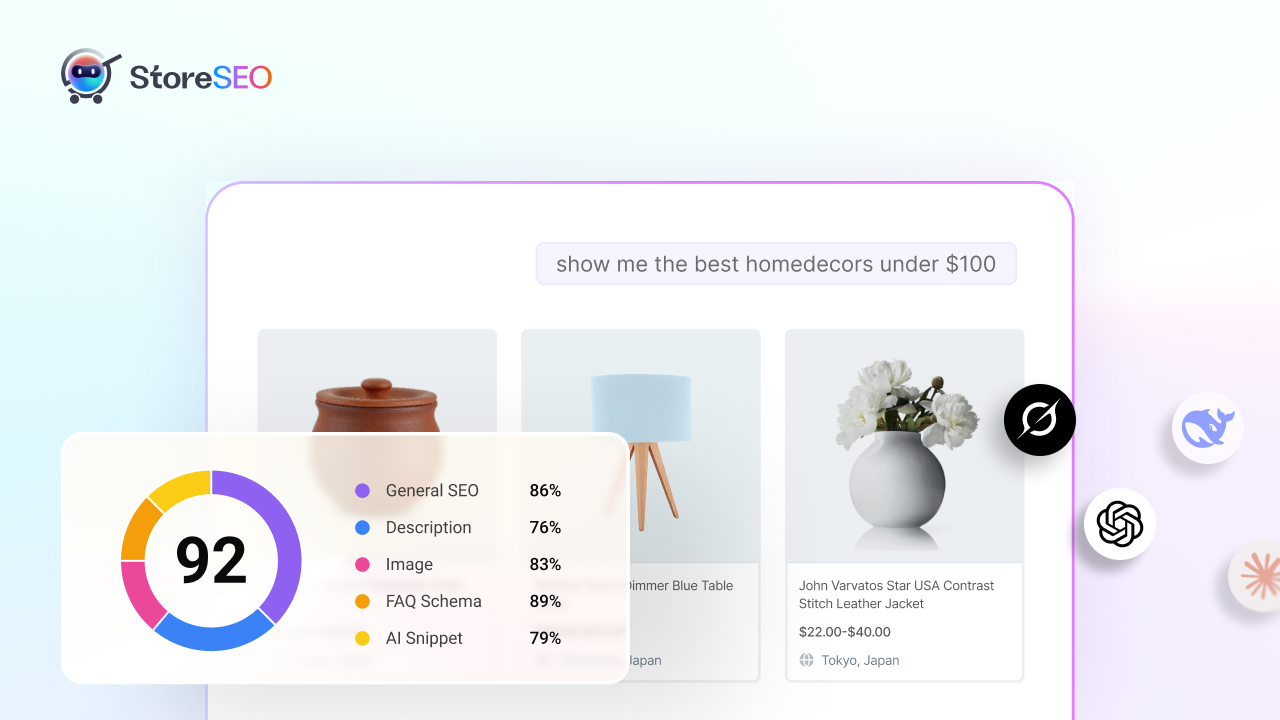

Jeśli prowadzisz sklep na Shopify od dłuższego czasu, wiesz już, że SEO to nie gra typu „ustaw i zapomnij”. Jednak w 2026 roku stawka diametralnie się zmieniła. Nie chodzi już tylko o pozycję w Google. Pojawiła się zupełnie nowa kategoria wyszukiwania, realizowana za pośrednictwem narzędzi opartych na sztucznej inteligencji, takich jak ChatGPT, Gemini, Perplexity i Google AI Overviews. Platformy te kierują kupujących bezpośrednio do stron produktów, stron kolekcji i blogów, bez konieczności wpisywania zapytania w tradycyjny pasek wyszukiwania.
Uważnie śledzimy te zmiany w StoreSEO i to, co widzimy każdego dnia u sprzedawców Shopify, z którymi współpracujemy, jest jasne: sklepy, które obecnie zdobywają ruch organiczny, to te, które dostosowały swoje strategie SEO, aby obsługiwać jednocześnie zarówno tradycyjne wyszukiwarki, jak i wyszukiwarki oparte na sztucznej inteligencji. Sklepy, które tracą na popularności, nadal optymalizują się tak, jakby był rok 2021.
W tym przewodniku chcemy przedstawić strategie, które faktycznie wpłyną na rozwój sklepów Shopify w 2026 roku. Omówimy, na co zwrócić uwagę, na co nie tracić czasu i jak zbudować techniczne i merytoryczne podstawy, które sprawią, że Twój sklep będzie widoczny niezależnie od sposobu wyszukiwania. Przejdźmy do konkretów.
Zrozumienie krajobrazu wyszukiwania w sklepach Shopify w 2026 r.
Rozwój wyszukiwania opartego na sztucznej inteligencji i jego znaczenie dla handlu elektronicznego
W ciągu ostatnich dwóch lat wydarzyło się coś ważnego. Odpowiedzi generowane przez sztuczną inteligencję zaczęły pojawiać się na górze wyników wyszukiwania, a użytkownicy zaczęli zadawać pytania dotyczące produktów bezpośrednio w ChatGPT, Gemini i Perplexity. Według licznych raportów branżowych, coraz większa część poszukiwań produktów fizycznych rozpoczyna się teraz w interfejsie czatu opartym na sztucznej inteligencji, a nie w polu wyszukiwania Google.
To nie jest trend niszowy. Sprzedawcy na Shopify, oferujący wszystko, od kosmetyków po elektronikę, zgłaszają wzrost ruchu polecającego z platform AI, mimo że tradycyjne organiczne współczynniki klikalności z Google są tłumione przez AI Overviews. Dla właścicieli sklepów Shopify ta dwukanałowa rzeczywistość oznacza, że strategie SEO wymagają dwóch równoległych ścieżek.
| Ekspercka opinia od StoreSEOW StoreSEO obserwujemy ten podział w czasie rzeczywistym w tysiącach sklepów Shopify. Sklepy, które wdrożyły dane strukturalne, treści semantyczne i pliki LLMs.txt, zyskują większą widoczność w odpowiedziach zakupowych generowanych przez sztuczną inteligencję. Dobrą wiadomością jest to, że fundamentalne zasady dobrego SEO, czyli trafność, autorytet i przejrzystość techniczna, dobrze sprawdzają się w obu kanałach. |
Rankingi Google nie umarły, wręcz przeciwnie – ewoluowały
Wyjaśnijmy sobie coś ważnego. Google nadal dominuje w wyszukiwaniu internetowym na całym świecie, a organiczne wyniki wyszukiwania Google pozostają kanałem pozyskiwania klientów generującym najwyższą konwersję dla większości sklepów Shopify. Jednak charakter rankingu w Google znacząco się zmienił. Przeglądy AI Google podsumowują teraz odpowiedzi na górze wielu zapytań komercyjnych, a jeśli treść Twojego produktu nie jest wystarczająco przejrzysta, aby można ją było zacytować w tych podsumowaniach, tracisz widoczność nawet na pierwszej stronie wyników.
Sklepy, które odnoszą sukcesy w Google w 2026 roku, nie ograniczają się do nasycania opisów produktów słowami kluczowymi. Budują autorytet tematyczny, wykorzystują znaczniki danych strukturalnych, optymalizują pod kątem kwalifikowalności do wyróżnionych fragmentów i tworzą treści, które zyskują cytowania dzięki odpowiedziom generowanym przez sztuczną inteligencję. To nowa definicja SEO Google dla e-commerce.
Co to oznacza dla Twojej strategii SEO Shopify
Praktyczna konsekwencja jest taka: musisz optymalizować witrynę pod kątem ludzi i maszyn jednocześnie. Strony produktów muszą być przejrzyste i atrakcyjne dla kupujących, ale muszą być również odpowiednio ustrukturyzowane i bogate semantycznie, aby roboty indeksujące AI i algorytmy Google mogły dokładnie zrozumieć, co sprzedajesz, dla kogo to jest i dlaczego jest to godne zaufania.
Na szczęście strategie, które realizują oba cele, w znacznym stopniu się pokrywają. Przyjrzyjmy się każdej z nich.
Strategie SEO na stronie, które nadal działają w 2026 roku
Optymalizacja metatytułów i metaopisów pod kątem wyszukiwania i sztucznej inteligencji
Metatytuły i opisy pozostają fundamentalne. Google nadal używa ich do zrozumienia kontekstu strony, a systemy sztucznej inteligencji analizują je jako jeden z pierwszych sygnałów przy określaniu, czy strona jest istotna dla zapytania. Jednak podejście do ich tworzenia dojrzało.
W 2026 roku skuteczne metatytuły dla stron produktów Shopify spełniają trzy cele jednocześnie. Po pierwsze, rozpoczynają się od głównego słowa kluczowego w języku naturalnym, a nie wymuszonego powtórzenia. Po drugie, zawierają kluczowy element wyróżniający, taki jak materiał, przypadek użycia lub korzyść, który pomaga stronie się wyróżnić. Po trzecie, mieszczą się w limicie 60 znaków, dzięki czemu wyświetlają się czytelnie zarówno w wynikach wyszukiwania Google, jak i w fragmentach cytowań AI.
Metaopisy powinny z kolei działać jako kompletna, samodzielna odpowiedź na zapytanie, do którego odnosi się strona produktu. Dzieje się tak, ponieważ systemy sztucznej inteligencji często korzystają z metaopisów podczas generowania odpowiedzi zakupowych. Opis, który brzmi jak naturalna odpowiedź na pytanie “jaki [produkt] jest najlepszy dla [przypadku użycia]”, zawsze będzie skuteczniejszy niż opis, który brzmi jak lista słów kluczowych.
| Jak StoreSEO pomaga: Optymalizator treści oparty na sztucznej inteligencji (AI) od StoreSEO generuje metatytuły i opisy bogate w słowa kluczowe dla każdego produktu, strony i bloga w Twoim sklepie. Możesz zbiorczo optymalizować tysiące produktów jednocześnie, a sztuczna inteligencja stosuje się do aktualnych najlepszych praktyk w zakresie widoczności w wynikach wyszukiwania Google i AI. Jeśli zarządzasz sklepem z większą liczbą produktów, ręczna optymalizacja meta po prostu nie jest skalowalna. Sprawdź Optymalizator treści oparty na sztucznej inteligencji firmy StoreSEO aby zobaczyć to w akcji. |
Opisy produktów obsługujące wyszukiwanie semantyczne
Oto częsty błąd, który popełniają sprzedawcy na Shopify. Tworzą opisy produktów, które są w zasadzie arkuszami specyfikacji. Wymiary, kolory, materiały, kody SKU. Te treści mają swoje miejsce, ale nie pomagają wyszukiwarkom ani systemom sztucznej inteligencji zrozumieć kontekstu i przeznaczenia produktu.
SEO semantyczne oznacza tworzenie treści obejmujących pełny kontekst produktu. Jeśli sprzedajesz matę do jogi, SEO semantyczne oznacza, że opis produktu naturalnie zawiera takie terminy, jak przyczepność, powierzchnia antypoślizgowa, materiały ekologiczne, joga dla początkujących, joga w gorącej wodzie, wsparcie stawów i inne, bez nachalnego ich wtłaczania. Oznacza to pisanie w sposób, w jaki klienci myślą i mówią o produkcie, a nie tak, jak odczytuje się wpis w bazie danych.
Systemy Google i wyszukiwarki oparte na sztucznej inteligencji (AI) stały się niezwykle skuteczne w rozumieniu klastrów tematycznych i relacji semantycznych. Strona produktu, która odpowiada na pytania, które faktycznie zadają sobie kupujący, takie jak: co produkt robi, dla kogo jest najlepszy, jak go używać i dlaczego jest lepszy od alternatyw, będzie konsekwentnie lepsza od strony produktu o ograniczonej liczbie linków zwrotnych, niezależnie od liczby linków przychodzących do tej strony.
Tekst alternatywny obrazu: pomijany sygnał na stronie
Tekst alternatywny obrazu to jeden z najbardziej niedostatecznie zoptymalizowanych elementów na stronach produktów Shopify i zyskuje coraz większe znaczenie. Wyszukiwarka obrazów Google i systemy sztucznej inteligencji przetwarzające treści wizualne wykorzystują tekst alternatywny, aby zrozumieć, co przedstawiają zdjęcia produktów. Dla sklepów Shopify, które sprzedają produkty oparte na wizualizacji, takie jak moda, meble, biżuteria czy artykuły wyposażenia wnętrz, jest to istotna zmarnowana szansa.
Każdy obraz produktu powinien mieć opisowy tekst alternatywny (alt), który naturalnie zawiera nazwę produktu, kluczowe atrybuty oraz, w stosownych przypadkach, przeznaczenie. Na przykład, zamiast pozostawiać tekst alternatywny pusty lub pisać coś ogólnego, jak “obraz produktu”, lepszym tekstem alternatywnym byłoby “Damski sweter z wełny merynosów z okrągłym dekoltem w kolorze brudnego różu, rozmiar M”. Taka precyzja opisu poprawia zarówno dostępność, jak i widoczność w wyszukiwarkach.
| Funkcja StoreSEO w centrum uwagi:Jedną z funkcji, z których jesteśmy najbardziej dumni w StoreSEO, jest generowanie alt-ów dla obrazów w trybie zbiorczym. Nasza sztuczna inteligencja automatycznie tworzy opisowy, przyjazny dla SEO alt-y dla każdego obrazu produktu w Twoim sklepie, hurtowo. W przypadku sklepów z setkami lub tysiącami produktów jest to zadanie, które w innym przypadku zajęłoby tygodnie. Możesz dowiedzieć się więcej o naszym możliwości optymalizacji obrazu tutaj. |
Strategia badania słów kluczowych dla Shopify w 2026 r.
Badanie słów kluczowych dla e-commerce w 2026 roku nie polega na znajdowaniu haseł kluczowych o dużej liczbie zapytań, ale na zrozumieniu pełnego spektrum zapytań ukierunkowanych na intencję, które prowadzą do zakupów. Oznacza to dogłębną analizę słów kluczowych z długiego ogona, zapytań konwersacyjnych i zapytań porównawczych, które zadają użytkownicy wyszukiwarek AI.
Nasze rekomendacje dotyczące strategii słów kluczowych dla sprzedawców Shopify opierają się na kilku zasadach. Po pierwsze, priorytetyzuj zapytania dotyczące transakcji i badań handlowych. Terminy takie jak “najlepszy [produkt] dla [przypadku użycia]” lub “[produkt] kontra [alternatywa]” wskazują na kupujących, którzy są bliscy podjęcia decyzji o zakupie. Po drugie, zidentyfikuj pytania, które klienci zadają na etapie badań i upewnij się, że strony kolekcji, strony produktów i treści na blogu bezpośrednio na nie odpowiadają.
Po trzecie, zwróć uwagę na to, jak Twoi klienci formułują zapytania w narzędziach AI. Zapytania wyszukiwania AI są zazwyczaj dłuższe i bardziej konwersacyjne niż tradycyjne. Ktoś może wpisać w Google “buty do biegania”, ale zapytać ChatGPT: “Jakie buty do biegania są najwygodniejsze dla osoby z szerokimi stopami, która biega po szlakach?”. Twoja treść musi być wystarczająco bogata w kontekst, aby pojawiała się w odpowiedziach na oba typy zapytań.
SEO techniczne dla Shopify: co jest najważniejsze w 2026 roku
Ustrukturyzowane dane i znaczniki schematu
Jeśli istnieje jedna techniczna strategia SEO, którą nazwalibyśmy niepodważalną dla sklepów Shopify w 2026 roku, to są to dane strukturalne. Znaczniki schematu, a konkretnie schemat JSON-LD, dają wyszukiwarkom i systemom AI ustrukturyzowany sposób zrozumienia, czym dokładnie są Twoje produkty, ile kosztują, jak są oceniane i czy są dostępne w magazynie. Informacje te pojawiają się w rozszerzonych fragmentach w wynikach Google, w cytowaniach w AI Overview, a coraz częściej w odpowiedziach zakupowych AI z narzędzi takich jak ChatGPT i Perplexity.
Dla sklepów Shopify najważniejszymi typami schematów są: schemat produktu z danymi o cenie, dostępności i recenzjach, schemat BreadcrumbList dla kontekstu nawigacji, schemat organizacji dla identyfikacji marki oraz, w stosownych przypadkach, schemat LocalBusiness dla sklepów z lokalizacjami fizycznymi. Te typy schematów łącznie dostarczają wyszukiwarkom i systemom sztucznej inteligencji wszystkich informacji potrzebnych do precyzyjnego wyświetlania produktów.
Praktyczny wpływ dobrego wdrożenia schematu jest mierzalny. Sklepy z kompletnym schematem produktu konsekwentnie notują wyższy współczynnik klikalności w wynikach wyszukiwania Google, ponieważ oceny w postaci gwiazdek i informacje o cenie pojawiają się bezpośrednio w wynikach. W wyszukiwaniu opartym na sztucznej inteligencji (AI), dane ze schematu są jednym z głównych sygnałów wykorzystywanych przez systemy AI do generowania rekomendacji produktów.
| Implementacja schematu StoreSEOStoreSEO automatycznie generuje i zarządza schematem JSON-LD dla wszystkich sklepów Shopify. Obejmuje to rozbudowane fragmenty kodu produktu, schemat lokalnej firmy i niestandardowe konfiguracje schematów, których nie oferuje większość aplikacji SEO Shopify. Zamiast ręcznie kodować schemat dla każdego produktu, StoreSEO obsługuje go dynamicznie, dzięki czemu schemat pozostaje aktualny pomimo zmian w asortymencie, cenach i recenzjach. Zobacz, jak Funkcje schematu StoreSEO może zwiększyć widoczność Twojego sklepu w wyszukiwarkach. |
Prędkość witryny i podstawowe wskaźniki internetowe
Core Web Vitals pozostają potwierdzonym czynnikiem rankingowym Google w 2026 roku. Largest Contentful Paint (LCP), Interaction to Next Paint (INP) i Cumulative Layout Shift (CLS) łącznie mierzą, jak szybko i stabilnie sklep postrzegają użytkownicy. W przypadku sklepów Shopify, obrazy są najczęstszym powodem, dla którego te wskaźniki nie wypadają najlepiej.
Duże, nieskompresowane zdjęcia produktów znacząco obniżają wyniki LCP. Sklep z dziesiątkami zdjęć produktów na stronie, które nie zostały odpowiednio skompresowane i przeskalowane, może odnotować czas LCP na poziomie 5-10 sekund na urządzeniach mobilnych, co negatywnie wpływa na pozycję w Google i powoduje rezygnację kupujących. Optymalizacja zdjęć jest zatem zarówno zadaniem SEO, jak i optymalizacją konwersji.
Poza obrazami, sprzedawcy w Shopify powinni regularnie audytować swój stos aplikacji. Każda aplikacja Shopify, która dodaje JavaScript do witryny sklepowej, generuje dodatkowe obciążenie ładowania. Widzieliśmy sklepy z 30 lub więcej zainstalowanymi aplikacjami, a ich skumulowany wpływ na szybkość ładowania stron jest znaczący. Czysty, przejrzysty stos aplikacji ze specjalnie zaprojektowanymi narzędziami jest prawie zawsze szybszy niż rozbudowany.
| Wskazówka dla profesjonalistów:Optymalizator obrazów StoreSEO automatycznie kompresuje i zmienia rozmiar zdjęć produktów do wymiarów zoptymalizowanych pod kątem internetu bez konieczności ręcznej interwencji. To bezpośrednio poprawia wyniki Core Web Vitals, szczególnie LCP, a jednocześnie obniża koszty przepustowości. To jedno z najskuteczniejszych i najszybszych rozwiązań dostępnych dla większości sklepów Shopify. |
Mapy witryn XML i wydajność indeksowania
Dobrze ustrukturyzowana mapa witryny XML gwarantuje, że wyszukiwarki i roboty indeksujące oparte na sztucznej inteligencji (AI) będą w stanie odkryć każdą ważną stronę w Twoim sklepie. W przypadku Shopify oznacza to, że mapa witryny powinna zawierać wszystkie strony produktów, strony kolekcji, wpisy na blogu i kluczowe strony informacyjne, wykluczając jednocześnie strony zduplikowane, filtrowane adresy URL i strony, które nie przyczyniają się do realizacji celów SEO.
Przesyłanie mapy witryny do Google Search Console to podstawowe, ale często zaniedbywane zadanie. Sklepy, które proaktywnie przesyłają i aktualizują swoje mapy witryny, odnotowują szybsze indeksowanie nowych produktów i treści. Jest to szczególnie ważne, gdy wprowadzasz nowe kolekcje, kampanie sezonowe lub publikujesz treści na blogu, którym zależy na szybkim pozycjonowaniu.
Znaczniki kanoniczne i zduplikowana treść
Struktura adresów URL w Shopify może powodować problemy z duplikacją treści, szczególnie w przypadku wariantów produktów, stron z filtrowanymi kolekcjami i paginacji. Jeśli Google napotka wiele adresów URL o zasadniczo tej samej treści, rozdziela sygnały rankingowe między nie, zamiast koncentrować je na jednym autorytatywnym adresie URL. Znaczniki kanoniczne informują wyszukiwarki, która wersja strony jest wersją główną i zapobiegają temu rozmyciu.
Prawidłowa implementacja tagu kanonicznego to techniczne zadanie SEO, które wielu właścicieli sklepów Shopify pomija, ponieważ nie jest ono widoczne dla kupujących. Jednak wpływ na rankingi może być znaczący, szczególnie w przypadku sklepów z dużymi katalogami, gdzie strony wariantów lub filtry generują setki, a nawet tysiące niemal zduplikowanych adresów URL.
Optymalizacja wyszukiwania z wykorzystaniem sztucznej inteligencji: nowy horyzont dla sklepów Shopify
Czym jest optymalizacja wyszukiwania z wykorzystaniem sztucznej inteligencji i dlaczego jest taka ważna?
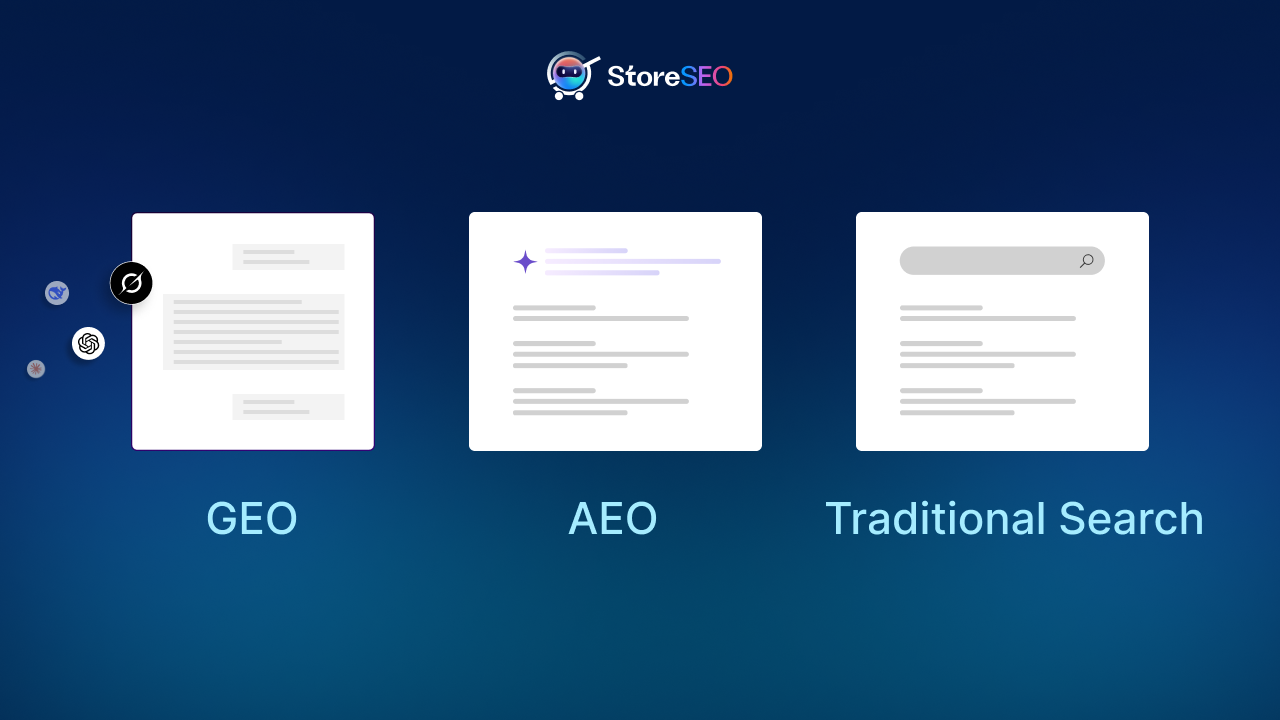
Optymalizacja wyszukiwania z wykorzystaniem sztucznej inteligencji (AI), czasami nazywana generatywną optymalizacją wyszukiwarek (GEO), to praktyka polegająca na zwiększeniu prawdopodobieństwa cytowania, podsumowania lub polecania treści przez narzędzia wyszukiwania oparte na sztucznej inteligencji. Obejmuje to Google AI Overviews, odpowiedzi zakupowe ChatGPT, rekomendacje produktów Perplexity i podobne odpowiedzi generowane przez AI.
Podstawową zasadą stojącą za optymalizacją wyszukiwania z wykorzystaniem sztucznej inteligencji (AI) jest to, że systemy AI nie klasyfikują stron w taki sposób, jak robią to tradycyjne wyszukiwarki. Syntetyzują informacje z wielu źródeł, aby konstruować odpowiedzi. Wybór źródła tych odpowiedzi zależy od tego, czy treść jest wiarygodna, przejrzyście ustrukturyzowana, wyczerpująca i napisana w sposób łatwy do analizy i podsumowania przez systemy AI.
W przypadku sklepów Shopify oznacza to optymalizację pod kątem kwalifikowalności cytowań w odpowiedziach AI na zapytania zakupowe. Gdy ktoś pyta narzędzie AI: “Jakie są najlepsze ekologiczne buty sportowe poniżej $100?”, a w odpowiedzi pojawia się rekomendacja Twojej marki, oznacza to, że optymalizacja wyszukiwania przez AI działa.
LLMs.txt: Protokół wskazówek dla robotów indeksujących AI
Jednym z najbardziej ekscytujących osiągnięć w optymalizacji wyszukiwania AI jest protokół LLMs.txt. LLMs.txt to prosty plik tekstowy umieszczany na stronie internetowej, który informuje roboty indeksujące AI w modelu językowym, do jakich treści mają dostęp i jak je interpretować. Jest on koncepcyjnie podobny do pliku robots.txt, ale został zaprojektowany specjalnie dla systemów AI, a nie tradycyjnych robotów indeksujących.
W przypadku sklepów Shopify wygenerowanie pliku LLMs.txt, który poprawnie indeksuje produkty, kolekcje, strony i artykuły na blogu, zapewnia robotom indeksującym AI przejrzystą mapę zawartości sklepu. Zwiększa to prawdopodobieństwo, że Twoje produkty pojawią się w rekomendacjach zakupowych generowanych przez AI. Systemy AI, które respektują plik LLMs.txt, a wiele z nich już to robi, wykorzystują ten plik do priorytetyzacji stron, które mają zostać uwzględnione w procesach szkolenia i indeksowania.
| Generator plików StoreSEO LLMs.txtStoreSEO to jedna z pierwszych aplikacji SEO dla Shopify, która oferuje wbudowane generowanie plików LLMs.txt. Nasze narzędzie automatycznie tworzy i utrzymuje plik LLMs.txt dla Twojego sklepu, który obejmuje wszystkie Twoje produkty, kolekcje, strony i artykuły na blogu. Dzięki temu Twój sklep wyprzedza większość sprzedawców Shopify, którzy jeszcze nie wdrożyli tego protokołu, dając Ci przewagę jako pierwszy gracz w zakresie widoczności w wynikach wyszukiwania dzięki sztucznej inteligencji. Dowiedz się więcej na stronie storeseo.com. |
Sygnały EEAT i autorytet marki dla widoczności AI
Struktura EEAT Google, czyli Experience, Expertise, Authoritativeness i Trustworthiness (Doświadczenie, Wiedza, Autorytet i Zaufanie), zyskuje coraz większe znaczenie nie tylko dla pozycji w rankingu Google, ale także dla widoczności wyników wyszukiwania AI. Systemy AI są trenowane tak, aby preferować źródła, które wykazują wiarygodność, a sygnały wskazujące na wiarygodność systemów AI są ściśle zgodne z sygnałami EEAT.
W przypadku sklepów Shopify budowanie EEAT oznacza kilka konkretnych rzeczy. Oznacza to zbieranie i prezentowanie autentycznych opinii klientów ze zweryfikowanymi wskaźnikami zakupów. Oznacza to posiadanie przejrzystej strony „O nas”, która opowiada historię marki i ugruntowuje Twoją wiedzę specjalistyczną w danej kategorii. Oznacza to zdobywanie wzmianek i linków zwrotnych z renomowanych publikacji branżowych. Oznacza to również spójny sposób prezentowania wizerunku marki na stronie internetowej, w profilach społecznościowych i we wszelkich publikacjach prasowych.
Sklepy z silnymi sygnałami EEAT są częściej wskazywane przez systemy sztucznej inteligencji, ponieważ zostały one wyszkolone tak, aby ufać źródłom, którym ufają również ludzie. Budowanie autorytetu marki jest zatem zarówno tradycyjnym zabiegiem SEO, jak i strategią optymalizacji wyszukiwania z wykorzystaniem sztucznej inteligencji.
Ustrukturyzowana treść FAQ dotycząca sztucznej inteligencji – przegląd kwalifikowalności
Przeglądy AI w Google i odpowiedzi generowane przez AI z narzędzi takich jak Perplexity często czerpią z treści w stylu FAQ, ponieważ są one już ustrukturyzowane w formacie pytań i odpowiedzi, łatwym do syntezy. W przypadku sklepów Shopify dodanie dobrze opracowanych sekcji FAQ do stron produktów, stron kolekcji i wpisów na blogu to praktyczny sposób na zwiększenie kwalifikowalności do cytowań AI.
Dobre treści FAQ dotyczące optymalizacji wyszukiwania z wykorzystaniem sztucznej inteligencji (AI) odpowiadają na konkretne pytania, które klienci zadają na różnych etapach ścieżki zakupowej. Szczególnie cenne są pytania przed zakupem, takie jak “czy ten produkt jest odpowiedni dla skóry wrażliwej” lub “jak wypada w porównaniu z [konkurencyjną marką]”. Pytania po zakupie dotyczące pielęgnacji, użytkowania i rozwiązywania problemów również generują wzmianki, gdy klienci szukają informacji o produktach, które już posiadają lub rozważają ponowny zakup.
Strategie marketingu treści dla SEO Shopify w 2026 roku
Budowanie klastra autorytetów tematycznych dla Twojej niszy
Jedną z najtrwalszych strategii SEO dla sklepów Shopify jest budowanie autorytetu tematycznego w niszy produktowej. Zamiast publikować posty na blogu losowo, budowanie autorytetu tematycznego oznacza stworzenie ustrukturyzowanej sieci treści, która kompleksowo obejmuje Twoją niszę, ze stroną główną w centrum i wspierającymi stronami grupowymi, które odnoszą się do konkretnych podtematów.
Na przykład sklep ze sprzętem outdoorowym może utworzyć klaster tematyczny poświęcony obuwiu turystycznemu. Strona główna (Kompletny poradnik wyboru butów turystycznych) obejmuje szeroki zakres tematów, podczas gdy strony tematyczne (Center) omawiają szczegółowe zagadnienia, takie jak różnica między butami turystycznymi a butami do biegania w terenie, sposób rozchodzenia butów turystycznych, na co zwrócić uwagę przy wyborze technologii wodoodporności itd. Linki wewnętrzne łączą wszystkie te strony, przekazując autorytet i pomagając wyszukiwarkom zrozumieć zakres i głębię Twojej wiedzy specjalistycznej.
To podejście służy wielu celom jednocześnie. Buduje autorytet rankingowy Google dla konkurencyjnych słów kluczowych produktów. Tworzy treści, które systemy AI mogą wykorzystać do udzielania odpowiedzi na szczegółowe pytania badawcze. A kupującym, którzy trafiają do Ciebie za pomocą zapytań informacyjnych, daje ścieżkę do odkrycia produktu i zakupu.
Treści blogowe, które napędzają odkrywanie produktów
Wielu sprzedawców korzystających z Shopify traktuje swojego bloga jako dodatek, publikując sporadycznie, bez wyraźnego powiązania z katalogiem produktów. Sklepy, które strategicznie wykorzystują bloga, budują znaczącą przewagę w ruchu organicznym.
Skuteczna treść bloga Shopify w 2026 roku ma kilka charakterystycznych cech. Jest ukierunkowana na zapytania informacyjne i handlowe, które klienci szukają przed zakupem. Naturalnie zawiera linki do odpowiednich stron produktów i kolekcji. Jest na tyle obszerna, aby być naprawdę użyteczna, a nie tylko treścią przeładowaną słowami kluczowymi. Jest też na tyle regularnie aktualizowana, aby sygnalizować wyszukiwarkom świeżość.
Wpisy na blogu, które odpowiadają na konkretne, szczegółowe pytania z Twojej niszy, zazwyczaj osiągają szczególnie dobre wyniki w wyszukiwaniu AI. Gdy ktoś zadaje Perplexity zniuansowane pytanie dotyczące Twojej kategorii produktów, a Twój wpis na blogu jest cytowany jako źródło, oznacza to, że kwalifikowany ruch napływa z istotnym zamiarem i już ustalonym kontekstem.
| Generator blogów StoreSEO AI:Konsekwentne pisanie wysokiej jakości treści na bloga to jedno z najtrudniejszych wyzwań content marketingu dla zapracowanych sprzedawców Shopify. Generator blogów AI StoreSEO tworzy przyjazne dla SEO, tematyczne wpisy na bloga dla Twojego sklepu w ciągu kilku minut. Wygenerowana treść jest zgodna z najlepszymi praktykami zarówno w zakresie SEO Google, jak i optymalizacji wyszukiwania AI, w tym z prawidłową hierarchią nagłówków, semantycznym zakresem słów kluczowych i rekomendacjami linków wewnętrznych. Zobacz, jak to działa na stronie storeseo.com. |
Strategia linkowania wewnętrznego dla sklepów Shopify
Linkowanie wewnętrzne to jedna z najbardziej niedocenianych taktyk SEO w e-commerce. Strategiczna struktura linkowania wewnętrznego rozprowadza autorytet stron w całym sklepie, pomaga wyszukiwarkom odkrywać i priorytetyzować strony oraz tworzy naturalne ścieżki, którymi kupujący mogą przeglądać więcej produktów z Twojego katalogu.
W przypadku sklepów Shopify, najlepsze praktyki w zakresie linkowania wewnętrznego zaczynają się od nawigacji i stron kolekcji. Każdy produkt powinien być dostępny z co najmniej jednej strony kolekcji, a strony te powinny być logicznie zorganizowane wokół tematów i kategorii, które odpowiadają sposobowi wyszukiwania klientów. Poza nawigacją, wpisy na blogu powinny w naturalny sposób linkować do odpowiednich stron produktów za pomocą opisowego tekstu kotwicy, a strony produktów powinny zawierać linki krzyżowe do produktów uzupełniających i powiązanych kolekcji.
Jedną z praktyk linkowania wewnętrznego, którą wielu sprzedawców Shopify pomija, jest linkowanie wpisów na blogach o wysokim autorytecie do stron komercyjnych. Jeśli Twój wpis na blogu dobrze się pozycjonuje i generuje linki zwrotne, linki wewnętrzne z tego wpisu przekazują autorytet stronom Twoich produktów i kolekcji, podnosząc ich pozycję w rankingu z czasem.
Treści wideo i wizualne zwiększające widoczność w wyszukiwarkach
Wyszukiwanie wizualne i treści wideo odgrywają coraz ważniejszą rolę w wyszukiwaniu produktów. Google wyświetla wyniki wideo w odpowiedzi na zapytania dotyczące instrukcji i recenzji produktów, które są popularnymi ścieżkami wyszukiwania dla kupujących online. YouTube, należący do Google, jest drugą co do wielkości wyszukiwarką na świecie, a filmy demonstracyjne produktów w serwisie YouTube mogą generować znaczny ruch organiczny.
Dla sprzedawców Shopify, którzy tworzą treści wideo, osadzanie ich na odpowiednich stronach produktów i kolekcji daje sygnał, że strona zawiera bogatą, multimodalną treść. Może to poprawić wskaźniki zaangażowania, które Google traktuje jako drugorzędny sygnał jakości, a jednocześnie zwiększyć widoczność treści w wynikach wyszukiwania.
Strategie budowania linków, które sprawdzą się w Shopify w 2026 roku
Dlaczego linki zwrotne nadal mają znaczenie
W niektórych kręgach społeczności SEO wciąż pokutuje mit, że linki nie mają już znaczenia, a jedynie jakość treści decyduje o pozycji w wynikach wyszukiwania. To po prostu nieprawda, biorąc pod uwagę obserwacje w sklepach, z którymi współpracujemy. Linki zwrotne pozostają jednym z najpotężniejszych sygnałów rankingowych Google, szczególnie w przypadku konkurencyjnych słów kluczowych, gdzie wiele sklepów tworzy wysokiej jakości treści.
Mimo to, natura skutecznego budowania linków uległa zmianie. Linki ze stron, które są tematycznie istotne dla Twojej niszy, są znacznie cenniejsze niż linki z niezwiązanych z nią stron. Pojedynczy link z renomowanego czasopisma recenzującego sprzęt turystyczny jest dla sklepu z artykułami turystycznymi wart więcej niż pięćdziesiąt linków z ogólnych katalogów artykułów. Jakość, trafność i autorytet to metryki, które mają znaczenie.
PR cyfrowy i product seeding
Najskuteczniejszą strategią budowania linków dla sklepów Shopify jest cyfrowy PR połączony z product seedingiem. Oznacza to promowanie produktów w treściach redakcyjnych w odpowiednich publikacjach, serwisach z recenzjami i blogach o dużym autorytecie w Twojej niszy. Kiedy publikacje publikują podsumowania, takie jak “najlepsze maty do jogi 2026 roku” lub “najlepsze ekologiczne produkty kuchenne”, obecność w tych artykułach zapewnia trafne linki zwrotne o wysokim autorytecie.
Product Seeding, czyli wysyłanie produktów do odpowiednich twórców treści i dziennikarzy do recenzji, to praktyczny mechanizm zdobywania tych miejsc. Skuteczny program product seeding wymaga zidentyfikowania odpowiednich grup docelowych, stworzenia atrakcyjnego przekazu i konsekwentnego, ale nie nachalnego działania. Sklepy, które budują ten program jako stały program, a nie jednorazową kampanię, systematycznie gromadzą autorytet linków zwrotnych.
Linki do dostawców i partnerów
Szybkim sposobem, który wielu sprzedawców Shopify pomija, jest pozyskiwanie linków od dostawców, producentów i partnerów marki. Jeśli jesteś autoryzowanym sprzedawcą detalicznym konkretnych marek, często prowadzą one katalogi dealerów lub strony z wyszukiwarkami sprzedawców, które zawierają linki do autoryzowanych sprzedawców. Zdobycie tych linków jest proste, a ich trafność merytoryczna jest idealna.
Podobnie, jeśli bierzesz udział w stowarzyszeniach branżowych, uczestniczysz w targach lub współpracujesz z uzupełniającymi się firmami w celu wspólnego marketingu, takie relacje często stwarzają naturalne możliwości nawiązania kontaktów, które są bardzo istotne i naprawdę zyskowne.
Lokalna optymalizacja SEO dla sklepów Shopify z obecnością fizyczną
Dlaczego strategie lokalnego SEO są ważne nawet w przypadku sklepów internetowych
Nawet jeśli Twój sklep Shopify prowadzi większość działalności online, lokalne SEO może być znaczącym motorem ruchu, jeśli prowadzisz sklep stacjonarny, oferujesz lokalną dostawę lub obsługujesz określony rynek geograficzny. Lokalny pakiet Google pojawia się w przypadku znacznej części wyszukiwań związanych z produktami, a pojawienie się w tych wynikach sprawia, że Twój sklep jest widoczny dla lokalnych klientów o dużym zainteresowaniu zakupem.
W przypadku sklepów działających wyłącznie w Internecie, ale obsługujących konkretny kraj lub region, lokalne sygnały SEO, takie jak rozszerzenia domen specyficzne dla danego kraju, lokalnie istotna treść i spójne informacje NAP (nazwa, adres, telefon) nadal wpływają na to, jak dobrze Twój sklep będzie się wyświetlał osobom wyszukującym na Twoim rynku docelowym.
Optymalizacja profilu firmy w Google
Jeśli masz fizyczną lokalizację, Twój Profil Firmy w Google to kluczowy atut SEO. Kompletny, dobrze zoptymalizowany Profil Firmy zawiera dokładne godziny otwarcia, wybór kategorii, wysokiej jakości zdjęcia, regularne wpisy i stały strumień opinii klientów. Sklepy z dobrze utrzymanymi Profilami Firmy są bardziej widoczne w wynikach wyszukiwania lokalnego i zyskują widoczność w lokalnym panelu wiedzy, co wzmacnia wiarygodność marki.
| Funkcje lokalnego SEO StoreSEO: StoreSEO obsługuje lokalne SEO i implementację JSON-LD dla sklepów Shopify z lokalizacjami fizycznymi lub lokalnymi obszarami usług. Obejmuje to schemat Local Business, który jasno informuje systemy Google i AI o lokalizacji, godzinach otwarcia i obszarze usług Twojego sklepu. Dla sprzedawców łączących sprzedaż internetową i stacjonarną jest to funkcja, która przynosi korzyści zarówno w wyszukiwaniu lokalnym, jak i w zapytaniach lokalnych opartych na sztucznej inteligencji. Dowiedz się więcej o naszych Możliwości lokalnego SEO w storeeo.com. |
Pomiar skuteczności SEO w sklepach Shopify
Google Search Console: Twoje najważniejsze narzędzie SEO
Google Search Console daje Ci bezpośredni wgląd w to, jak Google postrzega Twój sklep Shopify. Pokazuje, które zapytania generują wyświetlenia i kliknięcia, które strony mają problemy z indeksowaniem, jak wyglądają Twoje wyniki Core Web Vitals na urządzeniach mobilnych i komputerach stacjonarnych oraz jakie dane strukturalne wykrył Google. Dla każdego sprzedawcy Shopify, który poważnie podchodzi do SEO, Search Console to niezbędne narzędzie do codziennego lub cotygodniowego użytku.
Kluczowe wskaźniki, które należy monitorować w Search Console, to średni współczynnik klikalności (CTR) dla każdej strony (niski współczynnik CTR na stronie o wysokiej pozycji sugeruje, że metatytuł lub opis wymagają poprawy), raport Core Web Vitals (wszystkie strony oznaczone jako słabe powinny zostać poddane optymalizacji w pierwszej kolejności) oraz raport dotyczący zasięgu (wszelkie błędy indeksowania powinny zostać niezwłocznie rozwiązane, aby zapewnić widoczność wszystkich produktów w Google).
Śledzenie widoczności wyszukiwania AI
Śledzenie widoczności w wyszukiwarkach AI jest trudniejsze niż śledzenie pozycji w Google, ponieważ platformy wyszukiwania AI nie dostarczają tego samego rodzaju ustrukturyzowanych danych analitycznych. Jednak kilka podejść daje wiarygodny sygnał.
Po pierwsze, monitoruj ruch polecający w Google Analytics pod kątem sesji z platform AI, takich jak ChatGPT, Perplexity i Gemini. Chociaż ten ruch jest wciąż stosunkowo niewielki dla większości sklepów, rośnie, a śledzenie go w czasie pokazuje, czy Twoje działania optymalizacyjne z wykorzystaniem AI przynoszą efekty. Po drugie, ręcznie przetestuj widoczność swojego sklepu, zadając narzędziom AI pytania, które powinny wskazać Twoje produkty, i śledź przez miesiące, czy Twoja marka pojawia się częściej w tych odpowiedziach. Po trzecie, monitoruj narzędzia do śledzenia wzmianek o marce pod kątem odniesień do nazwy marki w treściach generowanych przez AI w internecie.
Rytm raportowania SEO i wskaźniki KPI
Skuteczny pomiar SEO wymaga zarówno odpowiednich metryk, jak i odpowiedniego rytmu raportowania. Zalecane przez nas wskaźniki KPI dla SEO Shopify obejmują trzy kategorie. Metryki ruchu obejmują sesje organiczne, nowych użytkowników organicznych oraz udział ruchu organicznego według kanału. Metryki rankingowe obejmują śledzenie pozycji dla docelowych słów kluczowych, własność wyróżnionych fragmentów kodu oraz wskaźniki pojawiania się wyników rozszerzonych w schemacie produktu. Metryki wpływu na biznes obejmują współczynnik konwersji organicznej, przychody przypisane do ruchu organicznego oraz stosunek ruchu organicznego do przychodów w czasie.
Miesięczny przegląd tych wskaźników zapewnia wystarczającą ilość danych, aby identyfikować trendy bez konieczności reagowania na codzienne zakłócenia. Kwartalne przeglądy to właściwy moment na podejmowanie strategicznych decyzji, takich jak ekspansja na nowe obszary słów kluczowych lub restrukturyzacja strategii content marketingowej.
| Integracja z analizą StoreSEO: StoreSEO integruje się bezpośrednio z Google Analytics i Google Search Console, pobierając dane o wydajności do pulpitu StoreSEO, dzięki czemu masz jedno źródło informacji o skuteczności SEO w Shopify. Ułatwia to łączenie działań optymalizacyjnych z mierzalnymi wynikami bez konieczności przełączania się między wieloma narzędziami. Zobacz pełny zestaw funkcji na stronie storeseo.com. |
Wielojęzyczne SEO dla sklepów Shopify docierających do rynków globalnych
Dlaczego wielojęzyczne SEO jest dźwignią wzrostu, a nie czymś drugorzędnym
Jeśli Twój sklep Shopify wysyła produkty za granicę lub kieruje je do klientów na rynkach wielojęzycznych, wielojęzyczne SEO to jedna z inwestycji przynoszących najwyższy zwrot z inwestycji. Zdecydowana większość użytkowników internetu woli wyszukiwać i kupować produkty w swoim ojczystym języku, a sklepy obsługujące te języki i oferujące odpowiednio zlokalizowaną treść konsekwentnie przewyższają sklepy wyłącznie anglojęzyczne na rynkach innych niż angielski.
Wielojęzyczne SEO dla Shopify to coś więcej niż tłumaczenie. Oznacza to poprawne użycie tagów hreflang, aby Google wyświetlał użytkownikom na każdym rynku odpowiednią wersję językową każdej strony. Oznacza to również tłumaczenie metatytułów, opisów i tekstów alternatywnych, a nie tylko treści. Oznacza to również lokalizację opisów produktów, aby naturalnie rezonowały z kontekstem kulturowym każdego rynku docelowego.
| StoreSEO Wielojęzyczne SEOStoreSEO obejmuje wielojęzyczne wsparcie SEO z implementacją atrybutu hreflang, przetłumaczonymi meta tagami i konfiguracją globalnego schematu. Dla sprzedawców kierujących swoją ofertę na rynki wielojęzyczne, ta funkcjonalność eliminuje techniczną złożoność implementacji wielojęzycznego SEO i gwarantuje, że każda wersja językowa Twojego sklepu jest prawidłowo sygnalizowana wyszukiwarkom. Dowiedz się więcej o tym, jak StoreSEO obsługuje sklepy wielojęzyczne. |
Błędy SEO w Shopify, których należy unikać w 2026 roku
Nadużywanie słów kluczowych i nadmierna optymalizacja
Powinno to być oczywiste w 2026 roku, ale upychanie słów kluczowych w opisach produktów, tytułach i meta tagach nadal pojawia się częściej niż powinno. Nowoczesne algorytmy Google i systemy sztucznej inteligencji są na tyle zaawansowane, że rozpoznają nienaturalne zagęszczenie słów kluczowych, a strony, które się na to narażają, są karane algorytmicznie. Pisz z myślą o ludziach, używaj słów kluczowych w kontekście i wierz, że trafność semantyczna budowana za pomocą języka naturalnego lepiej wpłynie na Twoje pozycje w wynikach wyszukiwania niż wymuszone powtarzanie.
Ignorowanie SEO mobilnego
Indeksowanie Google w modelu „mobile first” obowiązuje od kilku lat, co oznacza, że Google korzysta głównie z mobilnej wersji sklepu do indeksowania i pozycjonowania. Mimo to nadal spotykamy sklepy Shopify, w których wrażenia z korzystania z urządzeń mobilnych są znacznie gorsze niż na komputerach stacjonarnych – z małymi celami dotykowymi, nadmiarem tekstu, długim czasem ładowania i nawigacją, która nie działa dobrze na ekranach dotykowych. Każda optymalizacja SEO powinna zostać przetestowana na urządzeniach mobilnych, zanim zostanie uznana za zakończoną.
Zaniedbywanie podstaw technicznego SEO
Niektórzy sprzedawcy koncentrują się wyłącznie na treści i linkach zwrotnych, ignorując techniczne podstawy swojego sklepu Shopify. Brak tagów kanonicznych, uszkodzone linki wewnętrzne, błędy indeksowania, brak schematu, wolne ładowanie strony i nieudolna struktura adresów URL ograniczają skuteczność wszystkich innych działań SEO. Skuteczna strategia treści oparta na słabym fundamencie technicznym będzie konsekwentnie niewystarczająca w stosunku do swojego potencjału.
Traktowanie SEO jako projektu jednorazowego
SEO to nie projekt, to dyscyplina. Sklepy, które konsekwentnie odnoszą sukcesy, to te, które traktują SEO jako ciągłą funkcję operacyjną, a nie jednorazową strategię. Algorytmy wyszukiwania zmieniają się, krajobraz konkurencji ewoluuje, a nowe kanały dotarcia do klientów pojawiają się. Utrzymanie przewagi wymaga ciągłego monitorowania, iteracyjnego doskonalenia i gotowości do dostosowywania strategii do zmieniających się warunków.
Jak StoreSEO wspomaga Twoje strategie SEO w Shopify
Kompleksowa platforma SEO oparta na sztucznej inteligencji, stworzona dla Shopify
Stworzyliśmy StoreSEO specjalnie dla sprzedawców Shopify, którzy oczekują poważnych rezultatów SEO bez konieczności bycia ekspertem technicznym lub poświęcania wielu godzin na ręczną optymalizację. Wszystko, co omówiliśmy w tym poradniku – optymalizacja metadanych, znaczniki schematu, alt-teksty obrazów, mapy witryn, plik LLMs.txt, wielojęzyczne SEO, integracja z analityką i generowanie treści za pomocą sztucznej inteligencji – jest obsługiwane przez jedną platformę, zaprojektowaną z myślą o płynnej współpracy ze sklepem Shopify.
Jesteśmy jedną z niewielu aplikacji SEO, które uzyskały certyfikat Built for Shopify, co oznacza, że spełniliśmy najwyższe standardy Shopify w zakresie jakości, bezpieczeństwa i wydajności aplikacji. To dla nas ważne, ponieważ oznacza, że możesz mieć pewność, że StoreSEO nie spowolni Twojego sklepu, nie będzie kolidować z innymi aplikacjami ani nie spowoduje problemów technicznych, które negatywnie wpłyną na wydajność.
Co wyróżnia StoreSEO na tle innych aplikacji SEO Shopify
W sklepie Shopify App Store dostępnych jest wiele aplikacji SEO i zachęcamy sprzedawców do starannego rozważenia dostępnych opcji. Najczęściej słyszymy od sprzedawców, którzy przeszli na StoreSEO, że doceniają połączenie dogłębności i użyteczności. StoreSEO obejmuje szerszy zakres SEO niż prostsze aplikacje, oferując schemat, LLMs.txt, obsługę wielu języków i integrację z analityką, których brakuje wielu konkurentom. Jednak w przeciwieństwie do narzędzi SEO dla przedsiębiorstw, które wymagają specjalistycznej wiedzy, SklepSEO jest zaprojektowany tak, aby był użyteczny dla sprzedawców na każdym poziomie doświadczenia.
Oferujemy również darmowy plan obejmujący sklepy w fazie rozwoju, co oznacza, że możesz w pełni przetestować StoreSEO przed podjęciem decyzji o zakupie planu płatnego. Nasze plany płatne zaczynają się od $14,99 miesięcznie, dzięki czemu profesjonalne narzędzia SEO są dostępne dla sklepów każdej wielkości. Sprawdź naszą pełną ofertę
porównanie funkcji w StoreSEO kontra inne aplikacje SEO Shopify żeby zobaczyć jak wypadamy.
Pierwsze kroki ze StoreSEO
Jeśli chcesz poważnie podejść do SEO swojego sklepu Shopify, ułatwiamy Ci rozpoczęcie pracy. Nasza analiza SEO uruchamia się automatycznie po zainstalowaniu aplikacji, dając Ci natychmiastowy wgląd w możliwości optymalizacji o największym wpływie. Następnie agent SEO oparty na sztucznej inteligencji może natychmiast rozpocząć optymalizację Twoich meta tagów, obrazów i schematu.
Możesz Zacznij korzystać ze StoreSEO tutaj, A jeśli potrzebujesz spersonalizowanego wsparcia, nasz zespół oferuje bezpłatne konsultacje SEO, podczas których omówimy konkretne możliwości Twojego sklepu. Możesz umów się na rozmowę z naszymi ekspertami SEO bezpośrednio z naszej strony internetowej.
Strategia SEO Shopify na rok 2026 i kolejne lata
Krajobraz wyszukiwania w 2026 roku jest bardziej złożony niż kiedykolwiek, ale jednocześnie bardziej satysfakcjonujący dla sprzedawców, którzy podchodzą do niego strategicznie. Podstawowe zasady się nie zmieniły: twórz treści, które autentycznie odpowiadają potrzebom klientów, buduj techniczne podstawy, które ułatwią indeksowanie i zrozumienie Twojego sklepu, zdobywaj zaufanie i autorytet w swojej niszy oraz konsekwentnie mierz swoje wysiłki.
Zmienił się zakres kanałów i sygnałów, które należy zoptymalizować. Wyszukiwanie oparte na sztucznej inteligencji jest realne, rozwija się i stanowi znaczący odsetek odkrywania produktów przez kupujących online. Dane strukturalne, treść semantyczna, implementacja pliku LLMs.txt i sygnały EEAT przyczyniają się do Twojej widoczności w tym nowym kanale, jednocześnie wzmacniając pozycję w Google.
Dobra wiadomość dla sprzedawców Shopify jest taka, że nie muszą zarządzać tym wszystkim ręcznie. Platforma StoreSEO została stworzona właśnie po to, aby zautomatyzować i usprawnić działania SEO, które w przeciwnym razie pochłaniałyby dziesiątki godzin miesięcznie. Dzięki temu Ty możesz skupić się na prowadzeniu i rozwijaniu swojego biznesu, podczas gdy Twój sklep będzie systematycznie i stabilnie pnął się w górę rankingu.
Jeśli chcesz poznać dokładniej którąś ze strategii omówionych w tym przewodniku, zalecamy pobranie naszego
Najlepszy przewodnik SEO dla Shopify na rok 2026, W tym artykule szczegółowo omówimy każdy z tych tematów, wraz z instrukcjami krok po kroku. Pamiętaj, że najlepszy moment na rozpoczęcie optymalizacji SEO sklepu Shopify to zawsze dziś.