Dlaczego Twój sklep Shopify nie pojawia się wysoko w Google ani w ChatGPT? (12 powodów i rozwiązań)
Ten artykuł jest tłumaczeniem oryginalnej wersji angielskiej. Przeczytaj oryginał
Uruchomiłeś sklep na Shopify. Dodałeś produkty. Zrobiłeś wszystko, co Twoim zdaniem należało zrobić. A jednak, gdy szukasz swoich produktów w Google, Twojego sklepu Shopify nie ma wysoko w wynikach. A gdy ktoś poprosi ChatGPT lub Perplexity o polecenie produktu z Twojej niszy, Twoja marka nie pada nawet raz.
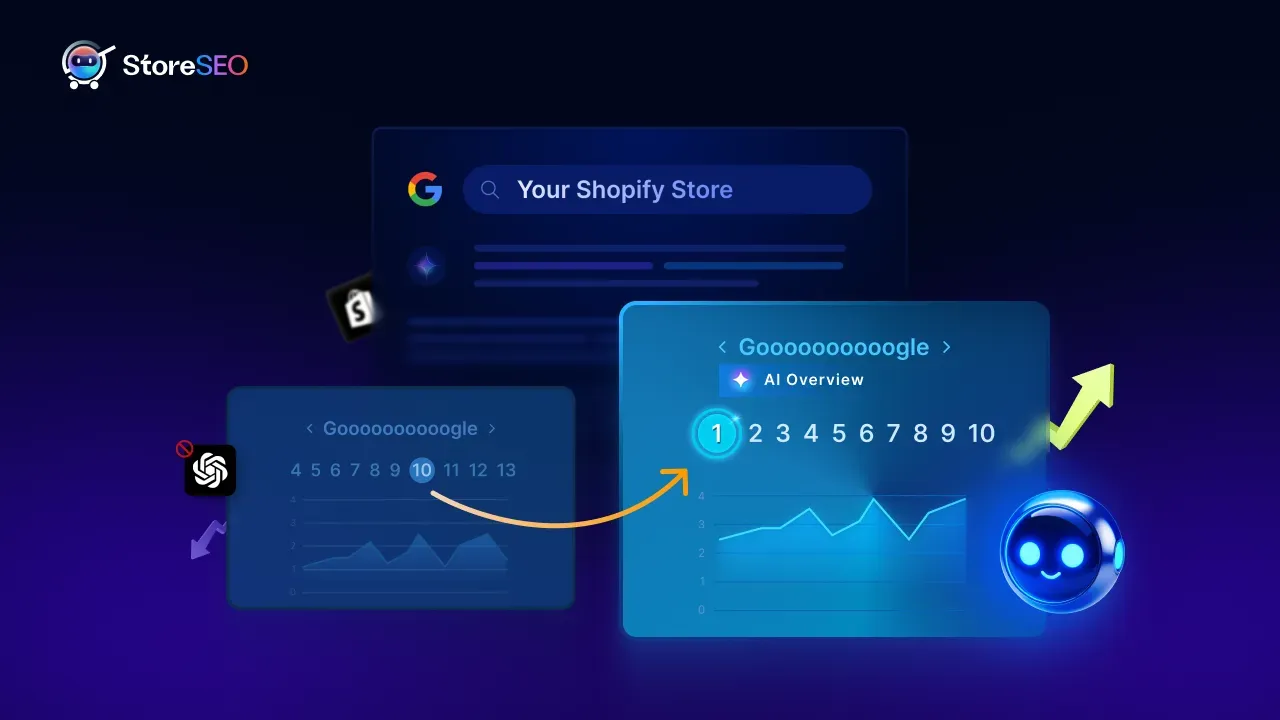
To jedna z najbardziej frustrujących rzeczywistości dla sprzedawców na Shopify w latach 2025 i 2026. Wyszukiwanie organiczne pozostaje kanałem o najwyższym ROI w eCommerce, a mimo to większość właścicieli sklepów działa po omacku, gdy próbuje zrozumieć, dlaczego ich sklep nie zajmuje dobrych pozycji.
W StoreSEO współpracowaliśmy z tysiącami sprzedawców na Shopify i przeprowadziliśmy dogłębne audyty techniczne sklepów każdej wielkości. Okazuje się, że w kółko powtarzają się te same podstawowe problemy. Dobra wiadomość jest taka, że każdy z nich da się naprawić.
W tym poradniku omawiamy 12 najczęstszych powodów, dla których Twój sklep Shopify nie zajmuje wysokich pozycji w Google ani nie pojawia się w odpowiedziach generowanych przez AI na platformach takich jak ChatGPT, a co ważniejsze, pokazujemy dokładnie, co zrobić, by naprawić każdy z nich.
| Dlaczego to ważne w 2026 roku: Wyszukiwanie to już nie tylko Google. Platformy AI, takie jak ChatGPT, Perplexity i Gemini, odpowiadają dziś bezpośrednio na zapytania o produkty. Jeśli Twój sklep Shopify nie jest zoptymalizowany zarówno pod tradycyjne wyszukiwarki, JAK I pod generatywne platformy AI, tracisz jednocześnie dwa ogromne kanały, w których klienci odkrywają produkty. |
Dlaczego sklepom Shopify tak trudno zdobyć dobre pozycje
Zanim przejdziemy do konkretnych rozwiązań, warto spojrzeć na szerszy obraz. Pozycjonowanie w Google w 2026 roku to zupełnie inna gra niż jeszcze dwa lata temu. A obecność w odpowiedziach generowanych przez AI wymaga całkowicie nowej warstwy optymalizacji, czyli Answer Engine Optimization (AEO) i Generative Engine Optimization (GEO).
Tradycyjne SEO skupia się na tym, by Twoje strony były indeksowane i pozycjonowane na podstawie sygnałów trafności i autorytetu. AEO skupia się na takim uporządkowaniu treści, by wyszukiwarki mogły bezpośrednio wyciągać z nich odpowiedzi na pytania użytkowników. GEO dba o to, by treści Twojego sklepu były zrozumiałe i łatwe do zacytowania dla dużych modeli językowych, które napędzają narzędzia takie jak ChatGPT.
Większość sklepów Shopify zawodzi na wszystkich trzech poziomach. Oto dlaczego.
Powód 1: Twój sklep nie ma przemyślanej strategii słów kluczowych
Co się dzieje
Najczęstszy powód, dla którego sklepy Shopify nie zajmują dobrych pozycji, jest zaskakująco prosty: brakuje świadomej strategii słów kluczowych. Właściciele sklepów tworzą nazwy i opisy produktów tak, jak sami myślą o swoich produktach, a nie tak, jak szukają ich klienci.
Przykład: jeśli sprzedajesz ręcznie robione świece sojowe, możesz nazwać produkt „Lavender Dream Candle”, bo tak brzmi Twoja nazwa handlowa. Ale klienci wpisują „lawendowa świeca sojowa na stres” albo „najlepsze naturalne świece do snu”. To zupełnie inne frazy i Google nie ma żadnego powodu, by łączyć z nimi Twoją stronę.
Rozwiązanie
Potrzebujesz strategii słów kluczowych opartej na tym, jak szukają prawdziwi ludzie, a nie na tym, jak wewnętrznie nazywasz produkty. Oto jak podchodzimy do tego w StoreSEO:
- Zacznij od słów kluczowych startowych: Pomyśl o głównych kategoriach produktów w swoim sklepie i wypisz najbardziej oczywiste frazy wyszukiwania.
- Rozszerz je o frazy z długiego ogona: Słowa kluczowe z długiego ogona, takie jak „organiczna lawendowa świeca sojowa w szkle”, mają mniejszą konkurencję i wyższą intencję zakupową.
- Grupuj według intencji: Podziel słowa kluczowe na informacyjne (treści blogowe), nawigacyjne (wyszukiwania marki) i transakcyjne (strony produktów).
- Przypisz słowa kluczowe do stron: Każda strona powinna mieć jedno główne słowo kluczowe i od dwóch do czterech wspierających fraz semantycznych.
Dzięki wbudowanej funkcji Keyword Analytics w StoreSEO możesz badać główne słowa kluczowe bezpośrednio z panelu Shopify. Dostajesz dane o liczbie wyszukiwań, podpowiedzi słów kluczowych i wskaźniki trudności bez wychodzenia ze środowiska sklepu. To sprawia, że mapowanie słów kluczowych jest szybkie i praktyczne nawet dla sprzedawców, którzy nie są ekspertami SEO.
| Wskazówka eksperta: Wyszukiwarki AI, takie jak ChatGPT, w dużej mierze opierają się na rozumieniu semantycznym. Oznacza to, że obok głównego słowa kluczowego warto umieszczać powiązane encje, synonimy i frazy istotne w danym kontekście. Na przykład strona celująca w frazę „świeca sojowa” powinna wspominać też o „aromaterapii”, „czasie palenia”, „rodzaju knota” i „zapachach do domu”, aby budować głębię tematyczną. |
Powód 2: Twoje meta tytuły i meta opisy są puste, zduplikowane lub niezoptymalizowane
Co się dzieje
Meta tytuły i meta opisy to jedne z najbardziej podstawowych sygnałów SEO on-page. A jednak w większości audytowanych przez nas sklepów Shopify trafiamy na jeden z trzech problemów: meta tytułów w ogóle nie ma (domyślnie wyświetla się sama nazwa produktu), są zduplikowane na wielu stronach albo są tak ogólnikowe, że nie wnoszą żadnej wartości dla SEO ani CTR.
Meta tytuł w stylu „Product 1 | My Shopify Store” prawie nic nie mówi Google o trafności. A meta opis brzmiący tylko „Kup teraz” nikogo nie przekona, by kliknął Twój link zamiast linku konkurencji.
Rozwiązanie
Oto formuła, którą polecamy dla meta tytułów stron produktów w Shopify:
- Format: [Główne słowo kluczowe] + [Kluczowa korzyść lub USP] + [Nazwa marki]
- Długość: od 50 do 60 znaków dla tytułu, od 140 do 155 znaków dla opisu
- Używaj języka zachęcającego do działania: Słowa takie jak „Kup”, „Odkryj”, „Darmowa dostawa” czy „Ręcznie robione” poprawiają współczynnik klikalności w SERP
- Unikalne dla każdej strony: Każdy produkt, kolekcja i strona potrzebuje osobnego meta tytułu i meta opisu
Właśnie tutaj błyszczy AI Content Optimizer w StoreSEO. Analizuje istniejące strony produktów, wykrywa brakujące lub słabe meta tagi i generuje za pomocą AI zoptymalizowane meta tytuły i opisy, dopasowane do głównego słowa kluczowego i kontekstu produktu. Możesz wprowadzić je zbiorczo w całym katalogu, więc naprawisz setki stron produktów w ułamku czasu, jaki zajęłoby to ręcznie.
Powód 3: Twoim stronom produktów brakuje głębi treści zoptymalizowanej pod SEO
Co się dzieje
Ubogie treści to jeden z najbardziej podstępnych problemów SEO w eCommerce. Strony produktów w Shopify, na których jest tylko nazwa, cena i dwa zdania opisu, dają wyszukiwarkom niemal zero materiału. Google nie potrafi ocenić trafności. Systemy AI nie mają z czego wyciągnąć sensownych odpowiedzi. A klienci nie mogą podjąć świadomej decyzji zakupowej.
Problem dodatkowo się nawarstwia, bo strony z ubogą treścią zwykle mają wysoki współczynnik odrzuceń i krótki czas na stronie, a to sygnały behawioralne, które jeszcze bardziej obniżają pozycje.
Rozwiązanie
Dobrze zoptymalizowana strona produktu w Shopify powinna zawierać:
- Opisową nazwę produktu z naturalnie wplecionym głównym słowem kluczowym
- Opis produktu liczący co najmniej 200 do 300 słów, który omawia cechy, korzyści, zastosowania i materiały
- Sekcję FAQ z odpowiedziami na typowe pytania klientów o produkt (to prawdziwa kopalnia złota dla AEO)
- Opinie klientów, czyli treści tworzone przez użytkowników, które dodają głębi tematycznej
- Linki wewnętrzne do powiązanych produktów, kolekcji lub wpisów na blogu
Zajrzyj do naszego szczegółowego poradnika SEO stron produktów w Shopify: wskazówki i dobre praktyki, w którym krok po kroku pokazujemy, jak wygląda zoptymalizowana strona produktu na każdym etapie.
Powód 4: Twoje obrazy nie mają tekstu alternatywnego
Co się dzieje
Tekst alternatywny obrazów to jeden z najczęściej pomijanych elementów SEO w sklepach Shopify. Każdy obraz w Twoim sklepie, w tym zdjęcia produktów, banery i zdjęcia lifestyle’owe, powinien mieć opisowy tekst alternatywny. Bez niego wyszukiwarki nie wiedzą, co przedstawia obraz. A ponieważ Google Grafika jest istotnym źródłem ruchu w eCommerce, to realnie stracona szansa.
Poza tradycyjnym SEO tekst alternatywny ma znaczenie także dla wykrywalności w AI. Systemy AI rozpoznające obraz i parsery treści strukturalnych korzystają z tekstu alternatywnego, by zrozumieć wizualną zawartość strony.
Rozwiązanie
Dobre praktyki dotyczące tekstu alternatywnego obrazów w Shopify:
- Pisz opisowo i konkretnie: „granatowa lniana poduszka dekoracyjna 18×18 cali” jest lepsze niż „poduszka”.
- Wplataj główne słowo kluczowe naturalnie, tam gdzie pasuje
- Unikaj upychania słów kluczowych w atrybutach alt, bo wygląda to na manipulację
- Pisz unikalny tekst alternatywny dla każdego obrazu, a nie tylko dla głównego zdjęcia produktu
Generator tekstu alternatywnego obrazów oparty na AI w StoreSEO automatyzuje ten proces. Odczytuje dane produktów i zbiorczo generuje trafny kontekstowo tekst alternatywny dla każdego obrazu w sklepie. Przed zastosowaniem możesz przejrzeć i poprawić sugestie, więc zyskujesz i szybkość, i kontrolę. To jedna z tych poprawek, których wdrożenie zajmuje minuty, a poprawa pozycji utrzymuje się miesiącami.
Powód 5: Mapa witryny nie została przesłana, a Google Search Console nie jest połączone
Co się dzieje
To zaskakuje wielu sprzedawców. Możesz mieć idealnie zoptymalizowany sklep, ale jeśli Google nie wie, że Twoje strony istnieją, nie będą one widoczne w wynikach. Google odkrywa i indeksuje strony, przeszukując sieć, ale to proces powolny i nieprzewidywalny. Musisz sam aktywnie poinformować Google o swoich stronach, przesyłając mapę witryny przez Google Search Console.
Wiele sklepów Shopify nigdy nie połączyło się z Google Search Console, więc ich właściciele nie mają pojęcia, ile stron jest faktycznie zaindeksowanych, czy Google napotyka błędy ani które zapytania przyciągają (lub nie przyciągają) ruch.
Rozwiązanie
- Połącz Google Search Console: Wejdź na search.google.com/search-console i potwierdź własność domeny swojego sklepu Shopify
- Prześlij mapę witryny XML: Shopify automatycznie generuje mapę witryny pod adresem yourstore.com/sitemap.xml. Prześlij ten adres URL do Google Search Console
- Monitoruj pokrycie indeksu: Regularnie sprawdzaj raport Coverage, aby wychwycić strony wykluczone lub generujące błędy
- Korzystaj z URL Inspection: W przypadku ważnych nowych stron użyj narzędzia URL Inspection, by bezpośrednio poprosić o indeksowanie
StoreSEO upraszcza cały ten proces. Integruje się bezpośrednio z Google Search Console, dzięki czemu możesz przesyłać mapy witryny, monitorować stan indeksowania i błyskawicznie indeksować najważniejsze strony bez opuszczania panelu Shopify. Możesz też wybrać, które produkty mają trafić do mapy witryny, co daje Ci precyzyjną kontrolę nad tym, co przeszukuje Google.
Powód 6: Twój sklep nie ma znaczników schema (danych strukturalnych)
Co się dzieje
Znaczniki schema, czyli dane strukturalne, to kod, który dodajesz do stron, by dokładnie powiedzieć wyszukiwarkom, co oznaczają Twoje treści. W eCommerce obejmuje to m.in. nazwę produktu, cenę, dostępność, opinie i oceny.
Bez znaczników schema Google musi zgadywać, o czym jest Twoja strona. Dzięki nim jednoznacznie opisujesz każdy element. Prowadzi to do wyników rozszerzonych w SERP, w tym gwiazdek ocen, przedziałów cenowych i informacji o dostępności, które znacząco zwiększają współczynnik klikalności.
Dla platform AI, takich jak ChatGPT i Perplexity, znaczniki schema pełnią jeszcze ważniejszą funkcję. Systemy te wykorzystują dane strukturalne do wyciągania faktów o produktach i firmach. Jeśli Twoich danych schema brakuje lub są błędne, wyszukiwarki AI albo zignorują Twoje treści, albo zacytują konkurenta, który zrobił to dobrze.
Rozwiązanie
W sklepach Shopify najważniejsze typy schema do wdrożenia to:
- Product schema: obejmuje nazwę, cenę, dostępność, SKU, markę i stan produktu
- Review schema: wyświetla gwiazdki ocen w wynikach wyszukiwania, wyraźnie poprawiając CTR
- BreadcrumbList schema: pomaga wyszukiwarkom zrozumieć hierarchię witryny
- FAQPage schema: sprawia, że treści FAQ mogą pojawiać się w wynikach rozszerzonych i jako odpowiedzi wyciągane przez AI
- Organization schema: buduje tożsamość i autorytet marki w oczach systemów AI
Ręczne wdrożenie schema wymaga wiedzy programistycznej i stałej obsługi. Dzięki funkcji SEO Schema w StoreSEO włączysz wszystkie te typy schema kilkoma kliknięciami. Aplikacja automatycznie generuje poprawne znaczniki JSON-LD i aktualizuje je, gdy zmieniają się dane produktów. Bez programowania.
Aby lepiej zrozumieć, jak schema wpływa na widoczność w AI, przeczytaj nasz poradnik o najlepszych znacznikach schema dla lokalnych firm na Shopify.
| Uwaga o AEO i GEOFAQPage schema to jedno z najskuteczniejszych narzędzi Answer Engine Optimization. Gdy dodajesz uporządkowane treści FAQ do stron produktów i kolekcji, platformy AI mogą bezpośrednio wyciągać te pary pytań i odpowiedzi i umieszczać je w generowanych odpowiedziach. Jeśli ChatGPT odpowiada na pytanie o Twoją kategorię produktów, a Twoje FAQ są poprawnie oznaczone, Twój sklep ma realną szansę zostać zacytowany. |
Powód 7: Twój sklep ładuje się zbyt wolno
Co się dzieje
Szybkość strony to potwierdzony czynnik rankingowy Google, zarówno na komputerach, jak i na urządzeniach mobilnych. To także kluczowy element doświadczenia użytkownika. Core Web Vitals od Google, a konkretnie Largest Contentful Paint (LCP), First Input Delay (FID) i Cumulative Layout Shift (CLS), są dziś bezpośrednio wbudowane w algorytm rankingowy Google.
W sklepach Shopify najczęstszymi zabójcami szybkości są nieskompresowane obrazy, zbyt wiele aplikacji zewnętrznych ładujących skrypty i ciężkie pliki motywu. Sklep, który na telefonie ładuje się dłużej niż trzy sekundy, traci znaczną część odwiedzających, zanim zobaczą choć jeden produkt.
Rozwiązanie
- Kompresuj wszystkie obrazy: Używaj formatu WebP i kompresuj pliki do rozmiaru poniżej 100KB bez utraty jakości wizualnej
- Zrób przegląd aplikacji: Każda zainstalowana aplikacja Shopify ładuje dodatkowy JavaScript. Usuń wszystkie aplikacje, z których aktywnie nie korzystasz
- Wybierz szybki motyw: Natywne motywy Shopify, takie jak Dawn, są zoptymalizowane pod kątem szybkości. Mocno modyfikowane motywy zewnętrzne potrafią być bardzo wolne
- Włącz lazy loading: Obrazy poniżej pierwszego ekranu powinny ładować się dopiero wtedy, gdy użytkownik do nich przewinie
- Ogranicz przekierowania: Każde przekierowanie dodaje opóźnienie. Przejrzyj łańcuchy przekierowań i usuń zbędne
Dodatek Image Optimizer w StoreSEO automatycznie kompresuje i skaluje obrazy podczas przesyłania, dzięki czemu zdjęcia produktów nigdy nie spowalniają sklepu. Możesz też zbiorczo zoptymalizować istniejącą bibliotekę obrazów, aby od razu poprawić wyniki Core Web Vitals.
Powód 8: Masz problemy ze zduplikowaną treścią
Co się dzieje
Zduplikowana treść to poważny, ale często niewidoczny problem sklepów Shopify. Powstaje na kilka sposobów: strony produktów z wieloma wariantami tworzą niemal identyczne adresy URL, strony kolekcji pojawiają się pod różnymi ścieżkami kategorii, opisy producenta są kopiowane do wielu produktów, a strony tagów generują tysiące ubogich duplikatów.
Gdy Google trafia na zduplikowaną treść, musi wybrać, którą wersję zaindeksować i pozycjonować. Często wybiera źle albo decyduje, że nie będzie pozycjonować żadnej. To rozmywa Twój potencjał SEO i ogranicza widoczność.
Rozwiązanie
- Używaj tagów kanonicznych: Ustaw kanoniczny adres URL stron wariantów produktu na główną stronę produktu
- Pisz unikalne opisy: Każdy produkt powinien mieć w pełni oryginalny opis, nieskopiowany od dostawcy ani nieużywany w innym miejscu witryny
- Ustaw noindex dla stron tagów: Strony tagów w Shopify (yourstore.com/collections/all/products?sort_by=) to często ubogie duplikaty, które powinny mieć noindex
- Łącz podobne produkty: Jeśli masz bardzo podobne warianty produktu, rozważ użycie opcji produktu zamiast osobnych stron
Powód 9: Twój sklep nie ma bloga ani strategii treści
Co się dzieje
Strony produktów i kolekcji mogą pozycjonować się tylko na frazy transakcyjne, czyli zapytania osób już gotowych do zakupu. Jednak większość Twoich potencjalnych klientów jest na wcześniejszych etapach: szukają informacji, porównują i potrzebują porady. Jeśli nie masz treści blogowych, jesteś dla całej tej grupy odbiorców niewidoczny.
Co jeszcze ważniejsze w kontekście wyszukiwania AI: platformy takie jak ChatGPT i Perplexity, generując odpowiedzi, czerpią przede wszystkim z treści informacyjnych. Jeśli Twój sklep nie ma artykułów na blogu, poradników ani instrukcji, systemy AI nie mają czego zacytować z Twojej marki.
Rozwiązanie
Budowanie strategii treści dla sklepu Shopify nie musi przytłaczać. Zacznij od tych trzech filarów treści:
- Poradniki zakupowe i porównania: Artykuły typu „Najlepsze [kategoria produktu] do [konkretne zastosowanie]” przyciągają osoby szukające informacji z wysoką intencją zakupową
- Instrukcje i treści edukacyjne: Treści typu „Jak używać [Twój produkt]” budują autorytet tematyczny i trafiają w zapytania głosowe
- Treści typu problem i rozwiązanie: Artykuły „Dlaczego [typowy problem] i jak go rozwiązać” budują zaufanie i odpowiadają na konwersacyjne zapytania kierowane do AI
Regularne publikowanie dobrze uporządkowanych treści blogowych to jedno z najskuteczniejszych działań zarówno dla tradycyjnego SEO, jak i widoczności w AI. Przeczytaj nasz kompleksowy poradnik o SEO bloga w Shopify, aby dowiedzieć się, jak strukturyzować i optymalizować każdy wpis dla maksymalnego efektu.
AI Blog Generator w StoreSEO pozwala w kilka minut tworzyć wpisy na blog Twojego sklepu Shopify zoptymalizowane pod SEO. Wystarczy wpisać temat i główne słowo kluczowe, a AI wygeneruje kompletny, uporządkowany wpis dopasowany do Twojego sklepu. To usuwa największą barierę, z jaką mierzy się większość sprzedawców: czas i umiejętności potrzebne do regularnego tworzenia wysokiej jakości treści.
Powód 10: Twój sklep nie jest zoptymalizowany pod wyszukiwarki AI (AEO i GEO)
Co się dzieje
To najnowsza i najszybciej rosnąca luka w widoczności sprzedawców na Shopify. Wyszukiwarki AI nie pozycjonują stron tak jak Google. Zamiast tego łączą informacje z wielu źródeł i generują bezpośrednie odpowiedzi. Aby pojawić się w tych odpowiedziach, Twoje treści muszą być uporządkowane tak, by systemy AI mogły je łatwo przetworzyć, zrozumieć i zacytować.
Większość sklepów Shopify powstała wyłącznie z myślą o tradycyjnym SEO, więc całkowicie brakuje w nich sygnałów, których szukają systemy AI, decydując, co umieścić w wygenerowanej odpowiedzi.
Rozwiązanie
Oto jak wyglądają treści zoptymalizowane pod AEO i GEO w Shopify:
- Format pytanie i odpowiedź: Pisz treści, które wprost odpowiadają na pytania. „Z jakiego materiału najlepiej wybrać matę do jogi?”, a po nim jasna, zwięzła odpowiedź
- Jednoznaczne określenie encji: Jasno określ, kim jesteś, co sprzedajesz i komu służysz. Systemy AI budują na tej podstawie grafy wiedzy
- Sygnały wiarygodnych źródeł: Linkuj do wiarygodnych źródeł zewnętrznych i zdobywaj linki przychodzące z zaufanych domen
- Plik LLMs.txt: To nowszy format, który pozwala wprost wskazać crawlerom AI, które treści w Twojej witrynie mogą czytać i cytować
- Uporządkowane sekcje FAQ: Każda strona produktu i kolekcji powinna mieć sekcję FAQ ze znacznikami FAQPage schema
StoreSEO oferuje teraz generowanie pliku LLMs.txt dla sklepów Shopify. Ten plik, podobny do robots.txt, ale przeznaczony specjalnie dla systemów AI, pomaga zadbać o to, by właściwe strony Twojego sklepu były widoczne i dostępne dla crawlerów AI. To nowatorska funkcja, dzięki której użytkownicy StoreSEO wyprzedzają konkurencję w świecie wyszukiwania AI.
Pełne omówienie tego, jak przygotować treści pod wyszukiwarki AI, znajdziesz w naszym poradniku o przygotowaniu bloga Shopify na rozwój wyszukiwarek AI.
Powód 11: Twój sklep ma słabe sygnały E-E-A-T
Co się dzieje
E-E-A-T to skrót od Experience, Expertise, Authoritativeness i Trustworthiness, czyli doświadczenia, wiedzy eksperckiej, autorytatywności i wiarygodności. To ramy, na podstawie których oceniający jakość w Google decydują, czy witryna zasługuje na wysokie pozycje. W sklepach internetowych słabe sygnały E-E-A-T to częsty, ale często źle rozumiany powód słabych wyników.
E-E-A-T ma szczególne znaczenie dla sklepów z kategorii „Your Money or Your Life” (YMYL), takich jak produkty zdrowotne, suplementy, narzędzia finansowe czy wszystko, co ma istotny wpływ na życie użytkownika. Ale nawet w mniej wrażliwych niszach sygnały E-E-A-T wpływają na to, czy Google ufa Twojemu sklepowi na tyle, by wyświetlać go wysoko.
Typowe słabości E-E-A-T w sklepach Shopify
- Brak strony „O nas” z informacją, kto prowadzi sklep i jakie ma kompetencje
- Brak widocznego adresu fizycznego lub danych kontaktowych w witrynie
- Brak opinii klientów lub rekomendacji z zewnętrznych źródeł
- Brak podpisów autorów przy treściach blogowych
- Brak wzmianek w mediach lub linków zwrotnych z autorytatywnych źródeł
- Brak jasnych stron z polityką zwrotów, polityką prywatności lub regulaminem
Rozwiązanie
- Stwórz mocną stronę „O nas”: Opowiedz historię swojej marki, przedstaw zespół i pokaż, dlaczego masz kompetencje, by sprzedawać to, co sprzedajesz
- Wyeksponuj dowód społeczny: Zintegruj opinie klientów ze znacznikami strukturalnymi, aby pojawiały się w wynikach wyszukiwania
- Zdobywaj wzmianki w swojej niszy: Kontaktuj się z blogerami, dziennikarzami i twórcami treści w swojej branży, aby zdobyć publikacje i linki zwrotne
- Dodaj sygnały zaufania na każdej stronie: Odznaki bezpieczeństwa, gwarancja zwrotu pieniędzy i zweryfikowane opinie budują postrzeganą wiarygodność
- Utwórz profile autorów: Jeśli publikujesz treści na blogu, dodaj strukturalne znaczniki autora z odpowiednimi kwalifikacjami
| Ważna uwaga o zaufaniu w AI: Systemy AI, takie jak ChatGPT, decydując, które źródła cytować, opierają się na sygnałach bardzo podobnych do E-E-A-T. Sklepy z wyraźną tożsamością marki, spójnymi danymi NAP (nazwa, adres, telefon), mocnym profilem opinii i autorytatywnymi treściami mają znacznie większe szanse na cytowanie w odpowiedziach AI niż sklepy anonimowe lub z ubogą treścią. |
Powód 12: Twoja struktura linkowania wewnętrznego jest zepsuta lub nie istnieje
Co się dzieje
Linkowanie wewnętrzne to jedna z najmniej wykorzystywanych dźwigni SEO w sklepach Shopify. Większość sprzedawców linkuje produkty do głównych stron kolekcji i na tym koniec. Powstają w ten sposób tzw. „osierocone treści”, czyli strony, które istnieją, ale nie prowadzą do nich żadne linki z innych części witryny. Google obniża ich priorytet, bo wyglądają na mało istotne.
Mocna struktura linkowania wewnętrznego rozprowadza „moc linków” po całej witrynie, sygnalizuje powiązania tematyczne między stronami i pomaga wyszukiwarkom zrozumieć ogólną architekturę i hierarchię Twojego sklepu.
Rozwiązanie
- Linkuj produkty do powiązanych wpisów na blogu: Jeśli masz poradnik „jak wybrać odpowiednią matę do jogi”, podlinkuj go do kolekcji mat do jogi
- Linkuj wpisy na blogu do odpowiednich stron produktów: Każda treść powinna mieć co najmniej jeden kontekstowy link do odpowiedniego produktu lub kolekcji
- Twórz opisy stron kolekcji: Wykorzystaj je do linkowania do podkolekcji, polecanych produktów i powiązanych treści
- Buduj klastry tematyczne: Grupuj powiązane wpisy wokół centralnej strony filarowej i łącz je wszystkie ze sobą
- Naprawiaj niedziałające linki wewnętrzne: Regularnie przeprowadzaj audyt, aby znaleźć i naprawić linki wewnętrzne prowadzące do stron 404
Nasz poradnik o dobrych praktykach formatowania SEO pokazuje, jak łączyć strukturę nagłówków, linki wewnętrzne i układ treści, by tworzyć strony, które dobrze radzą sobie zarówno w tradycyjnym wyszukiwaniu, jak i w wyszukiwaniu AI.
Bonus: szybka lista kontrolna audytu SEO dla sklepów Shopify
Skorzystaj z tej listy, aby szybko sprawdzić, które z 12 problemów dotyczą obecnie Twojego sklepu:
| Problem | Priorytet | Status |
| Brak strategii słów kluczowych | Krytyczny | [ ] Gotowe |
| Brakujące lub zduplikowane meta tytuły i opisy | Krytyczny | [ ] Gotowe |
| Uboga lub płytka treść stron produktów | Wysoki | [ ] Gotowe |
| Obrazy bez tekstu alternatywnego | Wysoki | [ ] Gotowe |
| Nieprzesłana mapa witryny / niepołączone GSC | Krytyczny | [ ] Gotowe |
| Brak znaczników schema / danych strukturalnych | Wysoki | [ ] Gotowe |
| Wolne ładowanie stron / słabe Core Web Vitals | Wysoki | [ ] Gotowe |
| Problemy ze zduplikowaną treścią | Średni | [ ] Gotowe |
| Brak bloga lub strategii treści | Wysoki | [ ] Gotowe |
| Brak optymalizacji pod AEO / GEO (wyszukiwanie AI) | Wysoki | [ ] Gotowe |
| Słabe sygnały E-E-A-T | Średni | [ ] Gotowe |
| Zepsute lub brakujące linkowanie wewnętrzne | Średni | [ ] Gotowe |
Jak StoreSEO pomaga naprawić wszystkie 12 problemów w jednym miejscu
Stworzyliśmy StoreSEO specjalnie dla sprzedawców na Shopify, którzy potrzebują kompletnego, zintegrowanego rozwiązania SEO obsługującego zarówno tradycyjną optymalizację pod wyszukiwarki, jak i nowe wymagania odkrywania produktów przez AI.
Oto podsumowanie tego, jak StoreSEO rozwiązuje każdą warstwę problemu z pozycjami:
- Keyword Analytics: badaj główne słowa kluczowe i przypisuj je do konkretnych produktów, kolekcji i wpisów na blogu bezpośrednio z panelu
- AI Content Optimizer: generuj i wdrażaj zoptymalizowane meta tytuły, opisy i tagi w całym katalogu
- Image Alt Text Generator: zbiorczo generuj trafny kontekstowo tekst alternatywny dla każdego obrazu w sklepie
- SEO Schema: włączaj schema Product, Review, FAQ, Breadcrumb i Organization jednym kliknięciem
- Integracja z Google Search Console: połącz sklep, prześlij mapę witryny i monitoruj stan indeksowania w jednym miejscu
- AI Blog Generator: twórz treści blogowe zoptymalizowane pod SEO na dużą skalę, by budować autorytet tematyczny i wykrywalność w AI
- Generowanie LLMs.txt: automatycznie twórz plik, który wskazuje systemom AI, jakie treści z Twojego sklepu mogą czytać i cytować
- Image Optimizer: zbiorczo kompresuj i skaluj obrazy, aby poprawić Core Web Vitals i szybkość stron
- Raporty i analizy SEO: otrzymuj praktyczne dane o wynikach z Google Search Console bezpośrednio w StoreSEO
StoreSEO cieszy się zaufaniem tysięcy sprzedawców na Shopify na całym świecie i posiada prestiżową odznakę Built for Shopify, najwyższy certyfikat jakości, jaki może otrzymać aplikacja Shopify. Niezależnie od tego, czy samodzielnie prowadzisz nowy sklep, czy jesteś ugruntowaną marką z tysiącami SKU, StoreSEO ma plan dopasowany do Twoich potrzeb.
Najczęściej zadawane pytania o to, dlaczego sklep Shopify nie zajmuje dobrych pozycji
Dlaczego mój sklep Shopify w ogóle nie pojawia się w Google?
Najczęstsze przyczyny to: mapa witryny nie została przesłana do Google Search Console, w ustawieniach Shopify włączona jest opcja „discourage search engine indexing” (zniechęcaj wyszukiwarki do indeksowania) albo Twoje strony są zbyt nowe i nie zostały jeszcze przeszukane. Najpierw sprawdź ustawienia Online Store w Shopify, a potem zweryfikuj przesłanie mapy witryny w Google Search Console.
Jak długo trzeba czekać na efekty zmian SEO w Shopify?
Poprawki techniczne, takie jak przesłanie mapy witryny czy dodanie znaczników schema, mogą przynieść efekt w ciągu kilku dni do kilku tygodni, gdy Google ponownie przeszuka Twoje strony. Ulepszenia oparte na treści, takie jak nowe wpisy na blogu, zdobywanie linków zwrotnych czy pogłębianie treści stron, zwykle potrzebują od trzech do sześciu miesięcy, by przełożyć się na wyraźny wzrost pozycji. Kluczem do trwałego wzrostu organicznego jest konsekwencja.
Czy mój sklep Shopify może pojawiać się w ChatGPT lub Perplexity?
Tak, ale wymaga to innego podejścia niż tradycyjne SEO. Platformy AI preferują treści autorytatywne, dobrze uporządkowane i bogate semantycznie. Dodanie znaczników schema (zwłaszcza FAQPage), regularne prowadzenie bloga, budowanie mocnych sygnałów E-E-A-T i wygenerowanie pliku LLMs.txt to najskuteczniejsze strategie zwiększania widoczności w wynikach wyszukiwania generowanych przez AI.
Czy SEO w Shopify różni się od SEO zwykłej strony internetowej?
Podstawowe zasady są takie same, ale Shopify ma swoje specyficzne cechy. Należą do nich sposób generowania adresów URL (w tym struktura ścieżek /products/ i /collections/), obsługa tagów kanonicznych dla wariantów produktów oraz ograniczenia domyślnego kodu motywów Shopify. Dedykowana aplikacja SEO dla Shopify, taka jak StoreSEO, to najwydajniejszy sposób, by poprawnie poradzić sobie z tymi niuansami platformy.
Jak sprawdzić, czy mój sklep Shopify ma problemy ze zduplikowaną treścią?
Zduplikowaną treść możesz sprawdzić za pomocą raportu Coverage w Google Search Console, Screaming Frog lub Sitebulb. Szukaj stron oznaczonych jako „Duplicate, submitted URL not selected as canonical” lub „Duplicate without user-selected canonical”. Funkcja audytu SEO w StoreSEO również wyświetla ostrzeżenia o zduplikowanej treści bezpośrednio w Twoim panelu.
Jaki jest najszybszy sposób na poprawę SEO w Shopify?
Najszybsze efekty dają zwykle: połączenie Google Search Console i przesłanie mapy witryny, dodanie meta tytułów i opisów do wszystkich produktów, dodanie tekstu alternatywnego do wszystkich obrazów oraz włączenie znaczników schema. Wszystko to zrobisz w jeden dzień za pomocą StoreSEO, a stworzysz w ten sposób fundament pod każde kolejne ulepszenie SEO.
Na koniec: SEO nie jest opcjonalne dla sklepów Shopify w 2026 roku
Wysokie pozycje w Google i obecność w odpowiedziach generowanych przez AI to dla marek eCommerce już nie miły dodatek. To różnica między trwałym wzrostem organicznym a całkowitą zależnością od płatnych reklam. Sklepy, które dziś wygrywają w wyszukiwaniu organicznym, to te, które poświęciły czas na rozwiązanie wszystkich 12 problemów omówionych w tym poradniku.
Pocieszające jest to, że żaden z tych problemów nie wymaga od Ciebie bycia ekspertem od technicznego SEO. Z odpowiednimi narzędziami, właściwą strategią i konsekwentnym działaniem każdy sprzedawca na Shopify może z czasem zbudować realną widoczność organiczną.
W StoreSEO robimy wszystko, by ten proces był jak najprostszy i jak najbardziej zautomatyzowany. Od badania słów kluczowych, przez znaczniki schema i tworzenie treści z AI, po generowanie LLMs.txt: StoreSEO daje Ci kompletny zestaw narzędzi, by konkurować zarówno w tradycyjnym wyszukiwaniu, jak i w wyszukiwaniu opartym na AI.
Zacznij od bezpłatnego audytu SEO swojego sklepu już dziś. Sprawdź, które z tych 12 problemów wpływają teraz na Twoją widoczność, i rozwiązuj je po kolei. Za sześć miesięcy będziesz mieć zasadniczo silniejszy, bardziej widoczny i bardziej konkurencyjny sklep Shopify.

Autor
Mahmudul Hasan