
Se você ainda está construindo sua estratégia de SEO para Shopify com base em palavras-chave individuais, já está um passo atrás. Não porque as palavras-chave não importem, elas importam muito. Mas a forma como os mecanismos de busca leem, entendem e recompensam o conteúdo mudou fundamentalmente. O Google não se limita mais a comparar palavras em uma página. Ele avalia a autoridade do tópico. Busca profundidade, relevância e abrangência do assunto.
E é exatamente aí que entram os agrupamentos de palavras-chave.
Neste guia, vamos explicar o que são clusters de palavras-chave, por que eles são mais importantes do que nunca para lojas Shopify, como eles impulsionam tanto o ranqueamento quanto as vendas reais e como você pode começar a criá-los hoje mesmo usando [a ferramenta/biblioteca]. SEO da loja‘O Gerador de Clusters de Palavras-chave com Inteligência Artificial da [nome da empresa] fornecerá, ao final, uma estrutura clara e prática para transformar listas de palavras-chave dispersas em uma estratégia de conteúdo coesa que constrói autoridade e impulsiona conversões.
| Por que isso importa agora? |
| O Sistema de Conteúdo Útil do Google e seu uso crescente de sinais de busca semântica significam que lojas otimizadas em torno de grupos de tópicos estão consistentemente superando aquelas que focam em palavras-chave individuais. Ferramentas de busca com inteligência artificial, como Perplexity e ChatGPT Search, também priorizam fontes com autoridade temática ao exibir recomendações de produtos e compras. Se sua loja Shopify não refletir profundidade temática, você ficará invisível para ambas as plataformas. |
1. O que são clusters de palavras-chave e por que os lojistas da Shopify devem se importar?
Um cluster de palavras-chave é um grupo de palavras-chave semanticamente relacionadas que giram em torno de um único tópico central. Em vez de otimizar uma página de produto para uma única palavra-chave, você mapeia um conjunto de termos de pesquisa relacionados que, coletivamente, expressam toda a gama de como as pessoas pesquisam o que você vende, e usa todo esse cluster para orientar seu conteúdo, a descrição do produto, os metadados e a arquitetura do site.
Pense da seguinte forma: se você vende tapetes de ioga premium, uma abordagem com uma única palavra-chave otimizaria para "tapete de ioga". Uma abordagem baseada em clusters, por outro lado, busca entender todas as maneiras pelas quais alguém pode pesquisar esse produto e todas as perguntas relacionadas que essa pessoa possa ter antes, durante e depois da decisão de compra.
Essa é a ideia fundamental por trás de autoridade temática, E é um dos sinais mais poderosos que influenciam os rankings orgânicos em 2026 e nos anos seguintes.
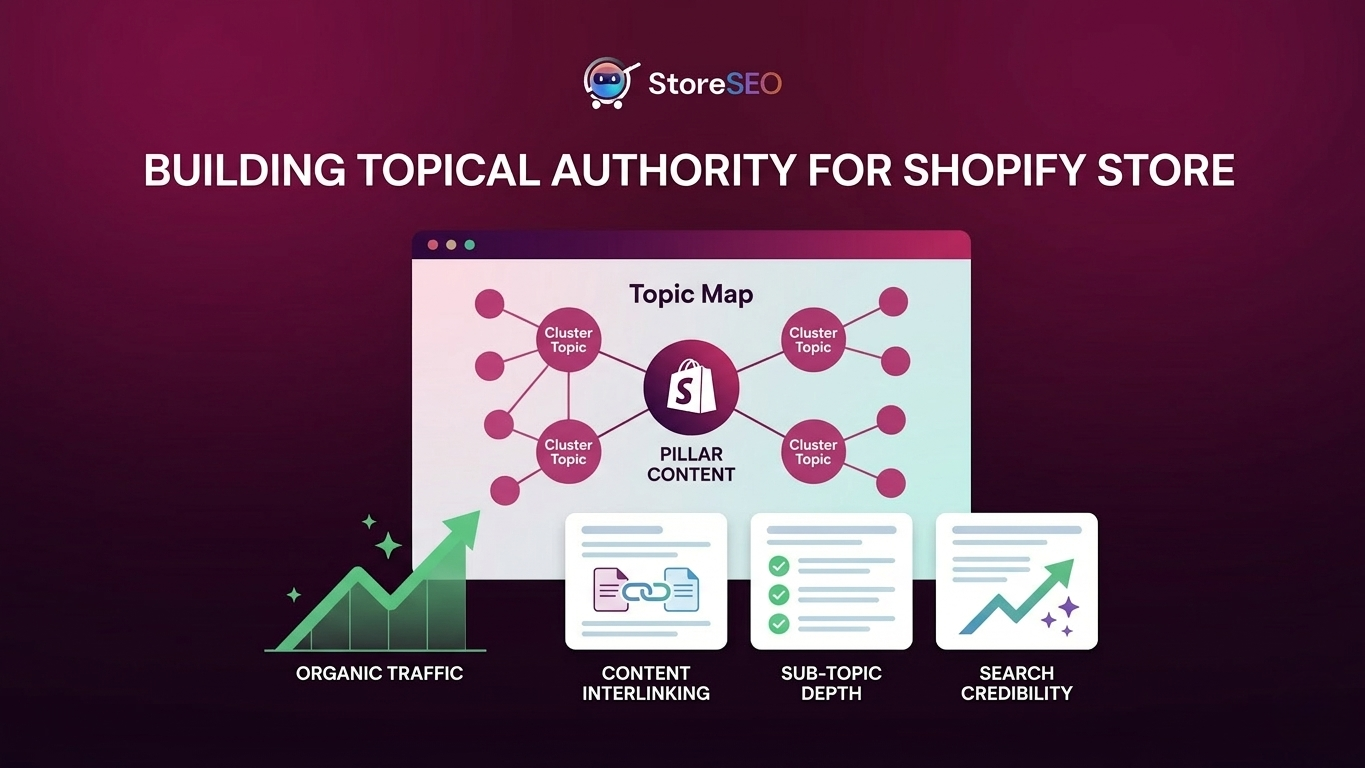
Um exemplo simplificado de agrupamento de palavras-chave para um produto de tapete de ioga.
| Tipo de cluster | Palavras-chave no cluster |
| Palavra-chave principal/pilar | tapete de ioga |
| Variantes de intenção comercial | Melhor tapete de ioga, tapete de ioga premium, tapete de ioga para iniciantes |
| Variantes de intenção transacional | Compre tapete de ioga online, tapete de ioga com frete grátis, loja de tapetes de ioga |
| Informativo de cauda longa | Tapete de ioga de cortiça versus tapete de ioga de borracha, TPE versus tapete de ioga de PVC |
| Consultas orientadas ao problema | Tapete de ioga antiderrapante, ecológico e atóxico. |
| Consultas de comparação | Tapete de ioga antiderrapante, ecológico e atóxico. |
Cada um desses grupos de palavras-chave representa uma mentalidade diferente do mesmo comprador em potencial. Alguns estão apenas aprendendo. Alguns estão comparando ativamente. Alguns estão prontos para comprar. Quando você otimiza seu conteúdo e páginas de produtos para abordar coletivamente todas essas intenções, você não apenas se classifica para um termo específico. Você se torna a referência em todo um tópico, e o Google recompensa isso.
2. Como o Google avalia o conteúdo da sua loja Shopify hoje em dia
Para entender por que os agrupamentos de palavras-chave são tão importantes, você precisa compreender como os mecanismos de busca modernos avaliam o conteúdo da sua loja. Este não é o Google de dez anos atrás, que apenas contava a ocorrência de palavras-chave.
Da correspondência de palavras-chave à compreensão semântica.
Os algoritmos do Google, em especial sistemas como o BERT, o MUM e o Helpful Content System, são projetados para entender a linguagem da mesma forma que os humanos. Eles analisam o contexto, as relações entre os tópicos e a abrangência da informação sobre um assunto. Quando alguém pesquisa por “melhores tênis de corrida para pés planos”, o Google não está apenas procurando páginas que contenham essas palavras exatas. Ele está tentando exibir a página que aborda esse tópico de forma mais completa, precisa e útil.
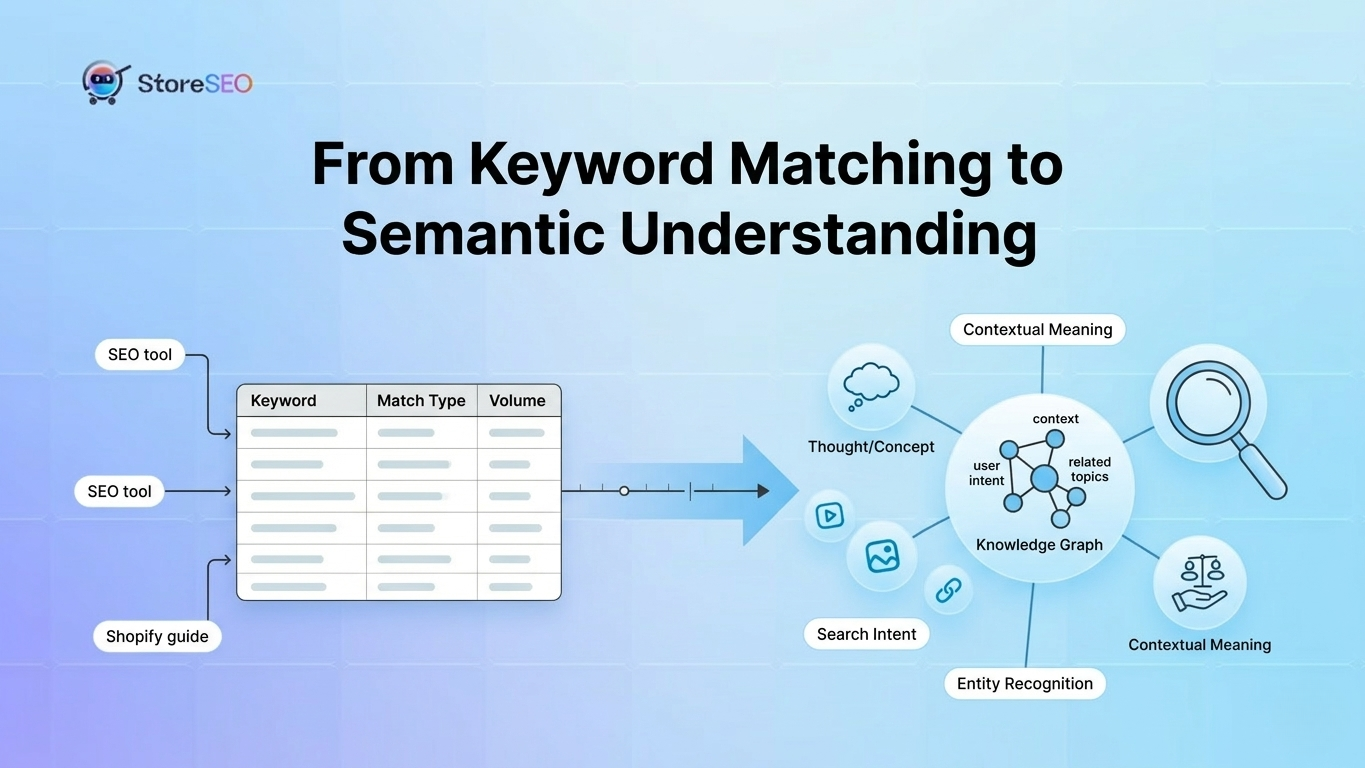
Uma loja Shopify com um conjunto de conteúdo sobre tênis de corrida, tipos de pés, pronação, amortecimento e comparações de marcas quase sempre terá uma classificação melhor do que uma loja com uma única página de produto focada em "melhores tênis de corrida para pés planos".“
EEAT e Profundidade Temática
As diretrizes de avaliação de qualidade do Google se concentram em EEAT: Experiência, Especialização, Autoridade e Confiabilidade. Para lojas de e-commerce, demonstrar EEAT não significa ter um doutorado. Significa mostrar, por meio da amplitude e profundidade do seu conteúdo, que você realmente conhece seu nicho.
Uma estratégia de agrupamento de palavras-chave força você a abordar um tópico de forma completa, que é exatamente o que o EEAT recompensa. Você não está apenas vendendo um produto. Você está posicionando sua loja Shopify como a principal referência em seu nicho.
O papel dos agrupamentos de palavras-chave na visibilidade da busca por IA
Aqui está algo que a maioria dos guias de SEO para Shopify não menciona: mecanismos de busca com inteligência artificial, como Perplexity, ChatGPT Search e Gemini, não extraem informações de uma única página ao responder perguntas sobre produtos e compras. Eles sintetizam informações das fontes mais confiáveis sobre o assunto.
Se sua loja Shopify tiver conteúdo extenso e bem estruturado em torno da sua categoria de produto, você terá muito mais chances de ser citado, mencionado ou recomendado por ferramentas de IA quando alguém fizer perguntas relacionadas ao que você vende. Isso é Otimização de mecanismo de resposta (AEO) e otimização de mecanismo generativo (GEO) Na prática, o conteúdo baseado em clusters é a base que torna isso possível.
| Análise especializada da StoreSEO |
| Analisamos centenas de lojas Shopify. que têm dificuldade em manter um tráfego consistente apesar de um SEO on-page sólido. O padrão mais comum que observamos: elas se classificam para palavras-chave individuais em picos, mas não conseguem manter a autoridade. As lojas que consistentemente aumentam o tráfego orgânico são aquelas que constroem clusters de tópicos, e não apenas aquelas que segmentam palavras-chave uma de cada vez. Isso não é uma teoria. É o que os dados mostram. |
3. A ligação direta entre agrupamentos de palavras-chave e o aumento das vendas na Shopify
Vamos deixar de lado os rankings por um momento, pois o ranking é apenas um meio para um fim. A verdadeira questão é: como os agrupamentos de palavras-chave ajudam você a vender mais?
Os clusters alinham seu conteúdo com toda a jornada do comprador.
Todas as pessoas que eventualmente compram na sua loja Shopify começam em algum lugar. Talvez hoje estejam pesquisando "como escolher um tapete de ioga". Uma semana depois, pesquisam "melhor tapete de ioga ecológico". E, eventualmente, pesquisam "comprar tapete de ioga de cortiça".“
Se sua loja tiver conteúdo e páginas otimizadas que atendam a cada uma dessas etapas, você terá a oportunidade de conquistar esse comprador em todos os pontos de contato de sua jornada, construir confiança e ser a escolha natural quando ele estiver pronto para comprar.
Uma estratégia com uma única palavra-chave pode atingir o usuário que realiza uma busca transacional. Uma estratégia de agrupamento abrange todo o funil de vendas e fortalece o relacionamento com o comprador.
Os agrupamentos reduzem a canibalização de palavras-chave.
A canibalização de palavras-chave ocorre quando várias páginas da sua loja Shopify competem pela mesma palavra-chave. Isso dilui sua autoridade, confunde o Google e reduz o potencial de classificação de ambas as páginas.
Uma estratégia de agrupamento de palavras-chave bem estruturada resolve isso de forma planejada. Cada página ou conteúdo tem um agrupamento e uma intenção definidos. Sua página principal aborda o tópico geral. Suas páginas de apoio abordam subtópicos específicos. Não há sobreposição, nem concorrência, e o Google consegue entender claramente a arquitetura do seu site.
Os clusters melhoram a vinculação interna, o que aumenta a autoridade da página.
Quando seu conteúdo é organizado em grupos, seu estratégia de ligação interna A estratégia se torna lógica e poderosa. Cada página de apoio cria um link de volta para a página principal. A página principal, por sua vez, cria links para as páginas de apoio. Isso cria uma rede de relevância temática que sinaliza ao Google exatamente sobre o que trata o seu site e distribui a autoridade da página entre seus URLs mais importantes.
Para lojas Shopify, isso se traduz diretamente em páginas de produtos e coleções ganhando mais autoridade, o que melhora seu posicionamento nos resultados de busca, atraindo tráfego mais qualificado e, consequentemente, aumentando as conversões.
Os clusters ajudam você a segmentar consultas de cauda longa com alta conversão.
Um dos benefícios mais subestimados da pesquisa de palavras-chave baseada em clusters é a identificação sistemática de palavras-chave de cauda longa. Essas são frases de busca mais longas e específicas que, individualmente, têm um volume de busca menor, mas que, coletivamente, geram um tráfego significativo com uma intenção de conversão dramaticamente maior.
Quem pesquisa por “body de algodão orgânico para bebê tamanho 3 meses” é um comprador. Quem pesquisa por “roupas de bebê” pode estar apenas navegando. Os agrupamentos de palavras-chave revelam esses termos de cauda longa com alta intenção de compra naturalmente, porque o processo de agrupamento força você a explorar todas as variações semânticas do seu tópico principal.
4. Anatomia de um Cluster de Palavras-chave de Alto Desempenho para Shopify
Nem todos os agrupamentos de palavras-chave são iguais. Veja como um agrupamento bem estruturado se apresenta na prática em uma loja Shopify.
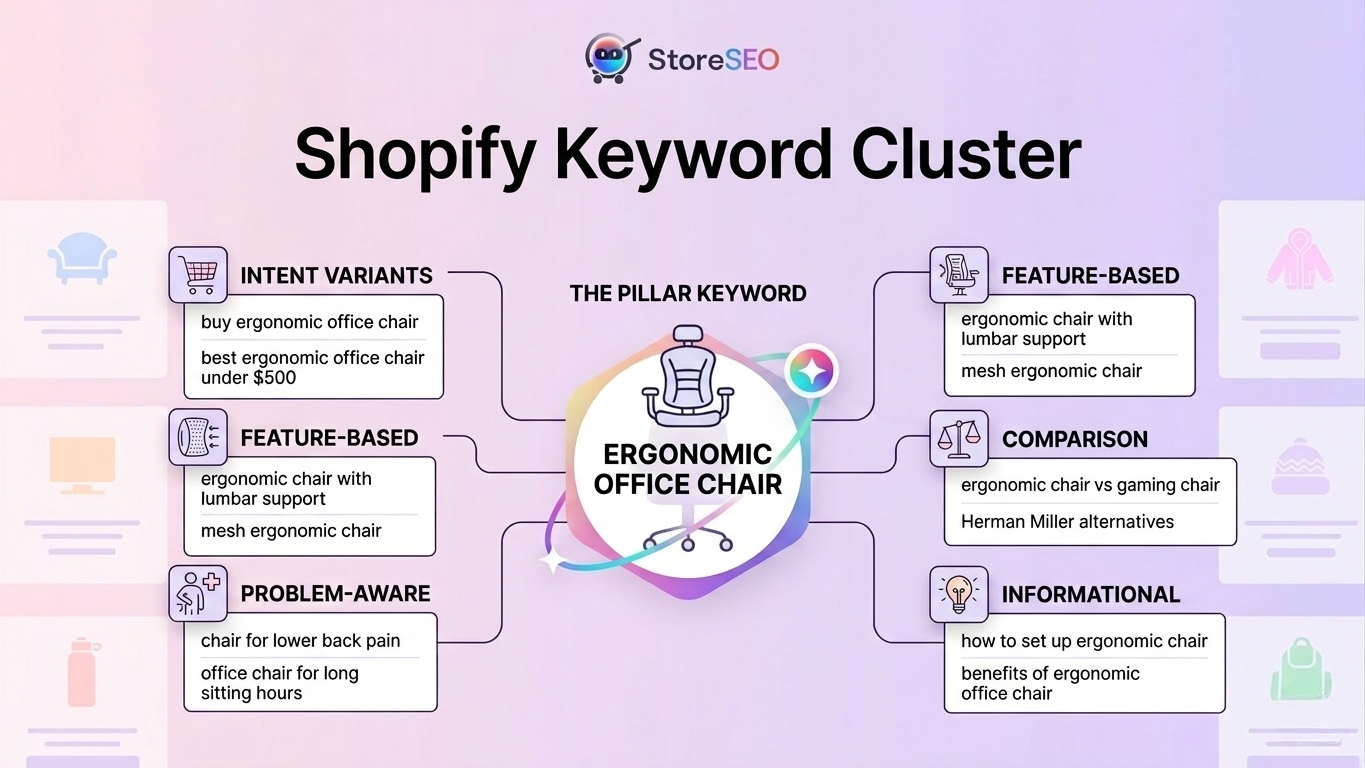
A palavra-chave do pilar
Este é o seu termo principal. Geralmente é amplo, tem um volume relativamente alto de buscas e representa o tema principal de uma categoria de produto ou página de coleção. Por exemplo, “cadeira de escritório ergonômica” pode ser o pilar de uma loja de móveis.
Palavras-chave de suporte ao cluster
Estas são as variações semânticas, os termos relacionados e os subtópicos específicos que orbitam em torno do pilar. Incluem:
- Variantes de intenção: “Comprar cadeira de escritório ergonômica”, “Melhor cadeira de escritório ergonômica por menos de $500”
- Baseado em funcionalidades: “cadeira ergonômica com suporte lombar”, “cadeira ergonômica de tela”
- Consciente do problema: “Cadeira para dor lombar”, “Cadeira de escritório para longos períodos sentado”
- Comparação: “Cadeira ergonômica vs. cadeira gamer”, “Alternativas à Herman Miller”
- Informativo: “Como configurar uma cadeira ergonômica”, “Benefícios de uma cadeira de escritório ergonômica”
Mapeamento de intenção de pesquisa
Cada palavra-chave do seu cluster deve ser etiquetada com sua intenção de busca dominante: informativa, navegacional, comercial ou transacional. Isso determina o tipo de conteúdo que você cria para cada palavra-chave e qual página da sua loja Shopify deve ser direcionada para ela.
| Tipo de intenção | Exemplo de consulta | Tipo de conteúdo/página |
| Informativo | Como configurar uma cadeira ergonômica | Postagem de blog ou guia |
| Comercial | Melhor cadeira ergonômica para escritório em casa | Página de coleção ou comparação |
| Transacional | Compre cadeira ergonômica de tela online | Página do produto com chamada para ação (CTA) impactante. |
| De navegação | Revendedor autorizado da Herman Miller | Página da marca/coleção |
Identificação de lacunas de conteúdo
Uma análise de cluster completa também revela o que está faltando. Se seus concorrentes têm guias de compra detalhados, conteúdo comparativo ou páginas de produtos com perguntas frequentes no seu nicho, essas são lacunas de conteúdo que sua estratégia de cluster precisa preencher. Preencher essas lacunas é uma das maneiras mais rápidas de obter vantagem competitiva na busca orgânica.
5. Como criar clusters de palavras-chave para sua loja Shopify: um guia passo a passo
Apresentamos aqui a estrutura prática que recomendamos para a criação de grupos de palavras-chave que impulsionam o posicionamento e as vendas de lojas Shopify.
Passo 1: Defina os pilares principais do seu tema
Comece com suas categorias ou coleções de produtos. Cada categoria principal pode ser um pilar temático. Para uma loja de equipamentos de ginástica, os pilares podem incluir faixas de resistência, tapetes de ioga, kettlebells e rolos de espuma. Para uma marca de cuidados com a pele, os pilares podem ser séruns de retinol, hidratantes com vitamina C e protetores solares com FPS. Esses pilares se tornam a base para cada um dos seus agrupamentos de palavras-chave. Se precisar de ajuda para identificar as palavras-chave de foco certas para ancorar cada agrupamento, consulte nosso guia sobre Como fazer pesquisa de palavras-chave para Shopify É um excelente ponto de partida.
Etapa 2: Gerar variações semânticas de palavras-chave
Para cada pilar, gere todas as variações semânticas, perguntas relacionadas, variações de cauda longa e consultas baseadas em intenção que orbitam em torno desse tópico. É aqui que as ferramentas tradicionais de pesquisa de palavras-chave falham. Elas fornecem listas, não agrupamentos. Você precisa de uma ferramenta que entenda as relações semânticas entre as palavras-chave.
Etapa 3: Agrupar por intenção e relação com o tópico
Depois de obter sua lista de palavras-chave brutas, agrupe-as por duas dimensões: intenção de busca (o que o usuário deseja) e proximidade temática (o quão relacionadas as palavras-chave estão entre si). Palavras-chave que compartilham tanto a intenção quanto o tópico devem ser agrupadas no mesmo cluster e segmentadas pela mesma página ou conteúdo.
Etapa 4: Mapear clusters para páginas e conteúdo
Cada cluster corresponde a uma página ou conteúdo específico da sua loja Shopify. Os clusters transacionais correspondem a páginas de produtos e coleções. Os clusters informativos correspondem a posts de blog e guias. Já os clusters comerciais podem corresponder a páginas de comparação ou páginas de destino de coleções selecionadas.
Etapa 5: Otimize e publique, depois conecte com links internos.
Depois que seu conteúdo mapeado por clusters estiver online, conecte tudo com uma estrutura de links internos robusta. As páginas pilar devem ter links para o conteúdo de apoio. O conteúdo de apoio, por sua vez, deve ter links de volta para as páginas pilar e para as páginas de produtos relevantes. Essa arquitetura ajuda o Google a entender sua autoridade temática e a distribuir a autoridade da página de forma inteligente por toda a sua loja. Para obter um passo a passo detalhado das melhores práticas de otimização on-page que complementam essa abordagem, consulte nosso guia completo sobre [inserir aqui o guia completo]. SEO on-page do Shopify.
6. Apresentando o Gerador de Clusters de Palavras-chave com IA da StoreSEO: Criado para Shopify, não apenas para especialistas em SEO.
Criamos o Gerador de Clusters de Palavras-chave do StoreSEO justamente porque o processo que acabamos de descrever, embora poderoso, consome muito tempo quando feito manualmente. Lojistas da Shopify deveriam estar administrando seus negócios, não passando horas em planilhas.
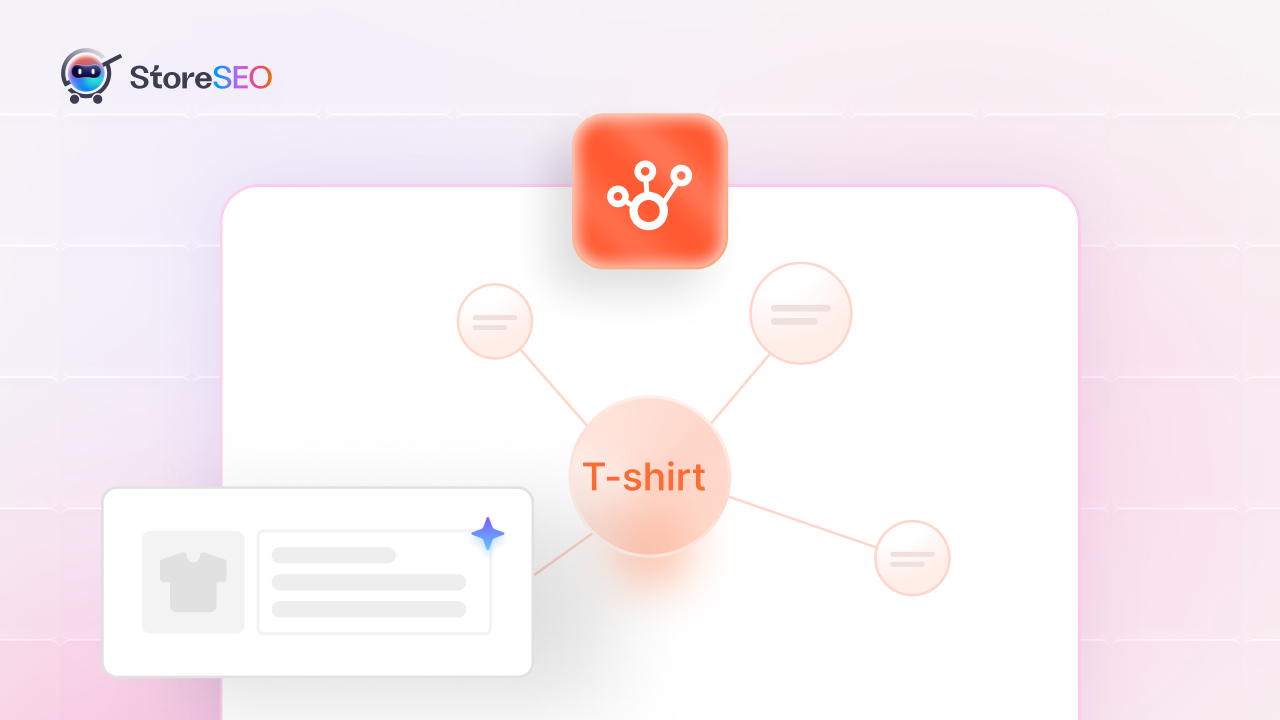
O Gerador de Clusters de Palavras-chave de IA para StoreSEO Automatiza todo o fluxo de trabalho de agrupamento dentro do seu painel de controle do StoreSEO. Veja o que o diferencia de todas as outras ferramentas de palavras-chave disponíveis.
Ele fica dentro do seu painel de controle do Shopify.
Não há ferramentas externas para gerenciar, nem arquivos CSV para exportar e importar, nem uma plataforma separada para aprender. Você insere uma palavra-chave inicial diretamente do painel de otimização do seu produto no StoreSEO, e a ferramenta gera instantaneamente um mapa de clusters completo. Tudo está conectado ao produto que você está tentando otimizar.
Agrupamento semântico com inteligência artificial, não apenas listas de palavras-chave.
A maioria das ferramentas de palavras-chave retorna uma lista simples ordenada por volume de buscas. O Gerador de Clusters de Palavras-chave da StoreSEO aplica análise semântica para identificar quais palavras-chave compartilham relações temáticas e devem ser tratadas como parte do mesmo cluster. Isso reflete a forma como o Google avalia o conteúdo: não palavra-chave por palavra-chave, mas tópico por tópico.
Etiquetagem de clusters baseada em intenção
Cada cluster gerado pelo StoreSEO é etiquetado com sua intenção de busca dominante: informativa, navegacional, comercial ou transacional. Isso elimina as suposições no planejamento de conteúdo. Se um cluster for etiquetado como transacional, você sabe que deve concentrar esse conteúdo na página do seu produto, com textos persuasivos e dados estruturados. Se for etiquetado como informativo, você sabe que deve escrever um guia educativo ou uma postagem de blog.
Integração direta com a geração de descrição do produto
É aqui que a ferramenta se torna realmente poderosa. Depois que seu conjunto de palavras-chave é gerado, o StoreSEO usa todo esse conjunto para criar uma descrição de produto de alta classificação para você com um único clique. Não se trata apenas de uma descrição repleta de palavras-chave, mas sim de um texto semanticamente rico que incorpora naturalmente todo o conjunto de palavras-chave para maximizar a relevância na busca. Você pode gerar novas opções até encontrar a combinação perfeita e, em seguida, salvá-la diretamente no seu produto.
Para obter um passo a passo técnico completo de como usar esse recurso, confira nosso guia. Documentação completa do Gerador de Clusters de Palavras-chave do StoreSEO.
Identificação de lacunas de conteúdo integrada
O gerador também identifica lacunas de conteúdo: áreas onde seus concorrentes podem ter conteúdo, mas sua loja não. Essas lacunas representam suas oportunidades de conteúdo prioritárias, as áreas onde a publicação de conteúdo bem otimizado terá o impacto mais rápido e direto em seu posicionamento nos resultados de busca.
| Guia rápido da StoreSEO: 4 passos para gerar seu primeiro cluster de palavras-chave |
| 1. Acesse a aba "Otimizar SEO" no painel de controle do StoreSEO e selecione o produto que deseja otimizar. |
| 2. Clique em "Gerar Cluster de Palavras-chave" no painel de Pesquisa de Palavras-chave para extrair automaticamente palavras-chave alinhadas à intenção de busca e um mapa visual do cluster. |
| 3. Clique em "Gerar descrição do produto" para permitir que o StoreSEO use seu cluster para criar um texto de produto otimizado. Gere novamente até que esteja perfeito e, em seguida, clique em "Manter e substituir".‘ |
| 4. Use o botão "Editar produto" para fazer os ajustes finais nos metadados ou na descrição e, em seguida, salve. |
7. Agrupamentos de palavras-chave e AEO/GEO: Classificação em buscas orientadas por IA
Vamos falar sobre o futuro das buscas, porque ele já chegou.
Mecanismos de busca baseados em IA, como o ChatGPT Search, o Perplexity, o Google AI Overviews e o Gemini, estão mudando fundamentalmente a forma como os usuários encontram produtos e tomam decisões de compra. Em vez de clicar em uma lista de links azuis, muitos usuários agora recebem respostas diretas, recomendações de produtos e comparações sintetizadas por IA.
Eis a percepção crucial: os mecanismos de busca com IA não escolhem aleatoriamente de quais fontes extrair informações. Eles priorizam fontes com autoridade no assunto. Buscam sites que demonstrem conhecimento abrangente, preciso e bem estruturado sobre um tema. Em outras palavras, priorizam exatamente o que uma estratégia de agrupamento de palavras-chave produz.
Como os agrupamentos de palavras-chave potencializam a otimização de anúncios de loja (AEO) para lojas Shopify
A Otimização para Mecanismos de Resposta (AEO, na sigla em inglês) consiste em posicionar seu conteúdo para que ele seja a fonte citada por ferramentas de IA ao responder perguntas de usuários. Para uma loja Shopify, isso significa:
- Grupos de perguntas frequentes sobre o produto: Agrupe todas as perguntas que os compradores fazem sobre seus produtos em um conjunto de perguntas frequentes (FAQ) e crie respostas abrangentes. O StoreSEO facilita a adição do Schema de FAQ às suas páginas de produtos, uma etapa técnica essencial para a otimização de aplicativos (AEO).
- Agrupamentos de comparação: Abranger de forma completa as consultas de comparação no seu nicho, para que as ferramentas de IA destaquem sua loja quando os usuários perguntarem "qual é melhor".
- “Agrupamentos ”Ideais para” Responder a perguntas específicas de casos de uso que os compradores fazem às ferramentas de IA, como "melhor tapete de ioga para ioga quente" ou "melhor cadeira ergonômica para pessoas baixas".“
GEO: Tornando-se uma fonte citada em resultados de busca generativa
A Otimização Generativa para Mecanismos de Busca (GEO) leva isso adiante. O objetivo não é apenas obter uma boa classificação nas buscas tradicionais, mas também ser citado, recomendado ou referenciado por respostas geradas por IA. Lojas com conteúdo aprofundado e agrupado em torno de suas categorias de produtos são as que têm maior probabilidade de serem incorporadas em recomendações de produtos e guias de compra gerados por IA.
Por isso, acreditamos que os lojistas da Shopify que investem agora em uma estratégia de conteúdo baseada em clusters estão construindo uma vantagem competitiva duradoura, que se fortalecerá ainda mais nos próximos três a cinco anos, à medida que a busca por IA continuar a crescer.
8. Erros comuns de agrupamento de palavras-chave que os lojistas da Shopify cometem (e como evitá-los)
Erro 1: Tratar cada variação de palavra-chave como uma página separada.
Criar uma nova página de produto ou coleção para cada variação de palavra-chave é um erro clássico de otimização excessiva. Isso leva a conteúdo superficial, problemas de conteúdo duplicado e canibalização de palavras-chave. Em vez disso, agrupe palavras-chave semanticamente semelhantes na mesma página e deixe que uma página bem otimizada abranja todo o conjunto.
Erro 2: Ignorar a intenção de busca na criação de clusters
Um conjunto de palavras-chave criado sem mapeamento de intenção é apenas uma lista de palavras-chave com etapas adicionais. Se você colocar palavras-chave informativas e transacionais na mesma página de produto, seu conteúdo ficará confuso, e o Google também. Sempre mapeie a intenção primeiro e, em seguida, crie conteúdo que corresponda a ela.
Erro 3: Agrupamento sem um Plano de Conteúdo
Gerar clusters só é valioso se levar a um plano de conteúdo. Quem vai escrever as postagens do blog para as palavras-chave do seu cluster informativo? Qual é o cronograma para otimizar suas páginas de produtos em torno de clusters transacionais? Clusters de palavras-chave são um ativo estratégico, mas somente se estiverem conectados a um plano de execução.
Erro 4: Negligenciar o SEO técnico juntamente com a estratégia de cluster.
Os agrupamentos de palavras-chave não atingirão seu potencial máximo se sua loja Shopify apresentar problemas técnicos de SEO que impeçam o Google de rastrear e indexar seu conteúdo. Certifique-se de que sua loja esteja tecnicamente em ordem: sitemaps enviados, marcação de esquema implementada, velocidade de página otimizada e metadados configurados corretamente. O conjunto completo de ferramentas do StoreSEO abrange todos esses aspectos. Para uma abordagem sistemática na identificação e correção de problemas técnicos, leia nosso guia sobre como fazer isso. Realize uma análise de SEO detalhada para sua loja Shopify..
Erro 5: Não monitorar o desempenho do cluster
Criar uma estratégia de agrupamento de palavras-chave não é algo que se faz uma vez e se esquece. É preciso monitorar quais agrupamentos estão gerando tráfego, quais palavras-chave dentro dos agrupamentos estão ganhando ou perdendo posição e onde novas lacunas de conteúdo estão surgindo. StoreSEO's Rastreador de classificação de palavras-chave Permite monitorar o posicionamento das suas palavras-chave ao longo do tempo, diretamente no mesmo painel onde você gerencia seus clusters. Essa abordagem de ciclo fechado é a forma de refinar e aprimorar continuamente sua estratégia.
9. O Ecossistema StoreSEO: Como os Clusters de Palavras-chave se Conectam à Sua Estratégia Completa de SEO
Os agrupamentos de palavras-chave são a base estratégica, mas são ainda mais eficazes quando integrados a uma abordagem de SEO completa. Veja como os recursos do StoreSEO trabalham em conjunto para criar um sistema de SEO abrangente e integrado para sua loja Shopify.
Análise de palavras-chave: valide seus clusters com dados reais.
Antes e depois de criar seus clusters, o recurso de Análise de Palavras-chave do StoreSEO fornece dados de volume de busca, dados de CPC, índices de dificuldade de anúncios pagos e sugestões de palavras-chave relacionadas. Isso permite que você valide se os clusters que está criando estão segmentando termos com demanda real de busca e priorize os clusters com a melhor combinação de volume e valor comercial.
Otimizador de conteúdo com IA: Garanta que suas palavras-chave de cluster estejam devidamente integradas.
Após a definição do seu cluster e a elaboração do conteúdo, o Otimizador de Conteúdo com IA da StoreSEO analisa as descrições dos seus produtos, posts do blog e conteúdo das páginas para garantir que as palavras-chave do seu cluster sejam integradas de forma natural e eficaz. Trata-se de uma otimização on-page escalável.
Marcação de esquema: torne o conteúdo do cluster legível por máquina.
Os dados estruturados são a ponte entre o conteúdo do seu cluster e a forma como os mecanismos de busca e as ferramentas de IA o interpretam. O StoreSEO facilita a implementação de Esquema de Produto, Esquema de FAQ, Esquema de Avaliação e muito mais em toda a sua loja Shopify. Isso é especialmente importante para a Otimização para Mecanismos de Busca (AEO), onde dados estruturados e legíveis por máquina aumentam significativamente suas chances de ser citado em respostas geradas por IA. Consulte nossa documentação sobre Configurando marcações de esquema SEO no Shopify com StoreSEO Para obter um guia de configuração passo a passo.
Integração com o Google Search Console: Dados de desempenho no mundo real
A peça final do ciclo é saber como sua estratégia de cluster está performando nas buscas reais. A integração do StoreSEO com o Google Search Console traz seus dados de impressões, cliques e posição diretamente para o seu painel, para que você possa ver quais palavras-chave do cluster estão ganhando força e onde concentrar seus esforços.
| Prova de que isso funciona |
| Lojas Shopify que migram da otimização de palavra-chave única para uma estratégia de conteúdo baseada em clusters observam consistentemente três padrões: uma presença mais ampla de palavras-chave (classificação para mais termos), sessões mais longas de usuários que interagem com vários conteúdos do cluster e taxas de conversão mais altas para o tráfego nutrido ao longo de toda a jornada do comprador. A estratégia de clusters não apenas aumenta o tráfego, como também melhora significativamente a qualidade desse tráfego. |
10. Modelos práticos de agrupamento de palavras-chave para tipos comuns de lojas Shopify
Vamos tornar isso ainda mais concreto. Aqui estão exemplos de estrutura de cluster para três tipos comuns de lojas Shopify.
Para uma loja de moda e vestuário
Pilar: Blusas de linho femininas
- Core: blusas de linho para mulheres, blusas femininas de linho
- Comercial: melhores blusas de linho para o verão de 2026, blusas de linho acessíveis
- Com foco em detalhes: blusas de linho com bolsos, blusas de linho oversized.
- De acordo com a ocasião: blusas de linho para o trabalho, blusas de linho para férias na praia.
- Informações: como cuidar de roupas de linho, o linho é respirável?
Para uma loja de saúde e bem-estar
Pilar: Suplementos de Colágeno
- Essencial: suplementos de colágeno, colágeno em pó
- Comercial: melhores suplementos de colágeno para mulheres, colágeno marinho versus colágeno bovino
- Com foco no problema: colágeno para dores articulares, colágeno para crescimento capilar.
- Transacional: compre peptídeos de colágeno online, suplementos de colágeno com frete grátis
- Informações: como tomar colágeno, quando tomar suplemento de colágeno
Para uma loja de artigos para o lar
Pilar: Lençóis de Linho
- Essencial: lençóis de linho, roupa de cama de linho
- Comercial: melhores lençóis de linho para quem sente muito calor ao dormir, lençóis de linho orgânico
- Comparação: lençóis de linho versus lençóis de algodão, linho francês versus linho belga.
- Transacional: lençóis de linho tamanho king, compre roupa de cama de linho online
- Informações: como amaciar lençóis de linho, lençóis de linho amassam?
Cada uma dessas estruturas pode ser gerada em minutos usando o Gerador de Clusters de Palavras-chave do StoreSEO. Você insere o seu produto como palavra-chave inicial e a IA apresenta o cluster semântico completo, já organizado por intenção.
11. Medindo o sucesso da sua estratégia de agrupamento de palavras-chave
Uma vez que sua estratégia de cluster esteja em andamento, veja como medir se ela está funcionando.
Crescimento orgânico da presença de palavras-chave
Sua loja está se posicionando para mais palavras-chave ao longo do tempo? Uma estratégia de clusterização deve expandir gradualmente o número de palavras-chave para as quais sua loja aparece. Acompanhe isso por meio do Google Search Console ou do rastreador de classificação do StoreSEO.
Classificação para palavras-chave principais e de suporte do cluster
Acompanhe o posicionamento da sua palavra-chave principal e das palavras-chave de apoio em cada cluster. Uma estratégia de clusters eficaz mostrará sua página principal entre as 10 primeiras posições para o termo principal, enquanto as páginas de apoio estarão bem posicionadas para seus respectivos subtópicos.
Tendência de tráfego orgânico por página
Analise o crescimento do tráfego orgânico nas páginas que você otimizou usando sua estratégia de cluster. Você deverá observar tendências de crescimento tanto nas páginas principais quanto nos conteúdos de apoio.
Taxa de conversão em páginas de produtos otimizadas para clusters
Essa é a métrica mais importante para os lojistas da Shopify. Páginas de produtos otimizadas para clusters que atraem tráfego com intenção de compra correspondente devem apresentar taxas de conversão mais altas do que páginas que não foram otimizadas para clusters, porque o tráfego recebido é mais qualificado.
| Métrica a ser monitorada | O que isso lhe diz |
| Total de palavras-chave classificadas | A abrangência da sua autoridade no assunto aumenta com o tempo. |
| Posição de classificação da palavra-chave pilar | Visibilidade essencial para sua categoria de produto mais importante. |
| Sessões orgânicas por página | Se as páginas otimizadas para clusters estão gerando mais tráfego |
| Páginas por sessão | Se o conteúdo agrupado está impulsionando um engajamento mais profundo na loja. |
| Taxa de conversão por fonte | Qualidade do tráfego gerado por clusters em comparação com outras fontes. |
| Posição média para termos de cluster | Saúde geral do desempenho de pesquisa do seu cluster |
Perguntas frequentes sobre agrupamentos de palavras-chave e SEO para Shopify
Qual a diferença entre um cluster de palavras-chave e uma lista de palavras-chave?
Uma lista de palavras-chave é uma coleção estática de termos de pesquisa, geralmente classificados por volume ou relevância. Um cluster de palavras-chave é um grupo estruturado de palavras-chave semanticamente relacionadas, organizadas por tópico e intenção de pesquisa, com uma clara correspondência a páginas ou conteúdos específicos. Clusters são estratégicos; listas são informativas.
Quantas palavras-chave devem estar em um cluster?
Não existe um número fixo, mas um bom conjunto de palavras-chave para uma loja Shopify geralmente inclui de 10 a 30. Conjuntos menores podem indicar que você não explorou todo o potencial semântico do seu tópico. Conjuntos maiores podem precisar ser divididos em subconjuntos.
Posso criar clusters de palavras-chave sem usar uma ferramenta paga?
Sim, mas é lento e manual. Você pode usar o recurso de preenchimento automático do Google, as seções "As pessoas também perguntam" e as pesquisas relacionadas para identificar manualmente palavras-chave de agrupamento. No entanto, para lojistas da Shopify que precisam agrupar dezenas ou centenas de produtos, uma ferramenta como o Gerador de Clusters de Palavras-chave StoreSEO Reduz drasticamente o tempo e o esforço envolvidos, ao mesmo tempo que melhora a precisão dos agrupamentos semânticos.
Quanto tempo leva para ver resultados com uma estratégia de agrupamento de palavras-chave?
Normalmente, você começará a ver melhorias mensuráveis no ranking dentro de 6 a 12 semanas para páginas otimizadas para clusters, com ganhos de tráfego mais significativos entre 3 e 6 meses. O efeito cumulativo da autoridade temática se acumula ao longo do tempo, portanto, quanto mais cedo você começar, maior será sua vantagem.
O agrupamento de palavras-chave funciona para lojas Shopify totalmente novas?
Com certeza. Aliás, começar com uma estratégia de clusters desde o primeiro dia é o caminho mais rápido para estabelecer autoridade temática para uma nova loja. Em vez de tentar se posicionar imediatamente para termos genéricos e competitivos, os clusters permitem que você ganhe visibilidade primeiro em termos de cauda longa e com menor concorrência, construa autoridade e, com o tempo, conquiste posições para os termos mais genéricos. Nosso guia sobre Dicas de SEO para novos proprietários de lojas Shopify aborda essa abordagem com mais detalhes.
Como o gerador de clusters de palavras-chave da StoreSEO se diferencia de ferramentas como Ahrefs ou SEMrush?
Ahrefs, SEMrush e ferramentas similares são plataformas de pesquisa poderosas, criadas para profissionais de SEO. Elas exigem um tempo considerável de aprendizado, operam fora do ambiente Shopify e não se conectam diretamente às suas páginas de produtos. O Gerador de Clusters de Palavras-chave do StoreSEO foi desenvolvido especificamente para lojistas do Shopify: ele fica integrado ao seu painel de controle, conecta-se diretamente aos seus produtos e foi projetado para transformar clusters em conteúdo otimizado em minutos, não em horas.
Pare de perseguir palavras-chave. Comece a construir autoridade no assunto.
As lojas Shopify que dominarão a busca orgânica e a descoberta impulsionada por IA nos próximos anos não serão aquelas que segmentam o maior número de palavras-chave. Serão aquelas que construírem a autoridade temática mais profunda e coerente em seu nicho.
Os agrupamentos de palavras-chave são o mecanismo que torna a autoridade temática alcançável em grande escala. Eles alinham seu conteúdo com toda a jornada do comprador, eliminam a canibalização de palavras-chave e enviam o sinal mais forte possível para o Google e ferramentas de busca com IA, demonstrando que sua loja é a fonte de referência em sua categoria de produto.
Nós construímos o Gerador de Clusters de Palavras-chave StoreSEO O objetivo é tornar essa estratégia acessível a todos os lojistas da Shopify, não apenas àqueles com equipes de SEO dedicadas ou orçamentos corporativos. Em quatro etapas, você pode transformar uma palavra-chave inicial em um cluster semanticamente rico, uma descrição de produto otimizada e um roteiro de conteúdo.
A questão não é se os agrupamentos de palavras-chave funcionam. As evidências mostram claramente que funcionam, e de forma significativa. A questão é se a sua loja Shopify conseguirá construir essa autoridade enquanto seus concorrentes ainda estão presos a uma única palavra-chave por vez.
Pronto para criar seu primeiro cluster de palavras-chave? Abra o painel de controle do StoreSEO. e gere seu primeiro cluster hoje mesmo. Ou, se preferir consultar a documentação completa dos recursos antes de começar, visite nosso site. Página de documentação do gerador de clusters de palavras-chave.