
StoreSEOがShopifyストアをAI対応にする方法について説明する前に、少し過去を振り返ってみましょう。ここ18ヶ月で大きな変化がありました。買い物客はGoogleで「扁平足に最適なランニングシューズ」と入力するのをやめ、ChatGPT、Perplexity、Gemini、ClaudeといったAIに質問するようになったのです。そして、これらのAIエンジンは、実際に理解できるウェブのごく一部から商品のおすすめ情報を取得しています。.
これが、耳の痛い真実だ。 現在、ほとんどのShopifyストアはAIにとって全く認識できない状態です。商品が悪いからでも、ブランドが無名だからでもありません。ストアがAIにとって読みやすい構造になっていないからです。.
StoreSEOでは、この問題に2年近く没頭してきました。何百ものShopifyストアフロントを分析しました( 300の製品ページを分析した結果), AIが引用するもの、無視するものを観察し、そのギャップを埋めるための機能を構築した。.
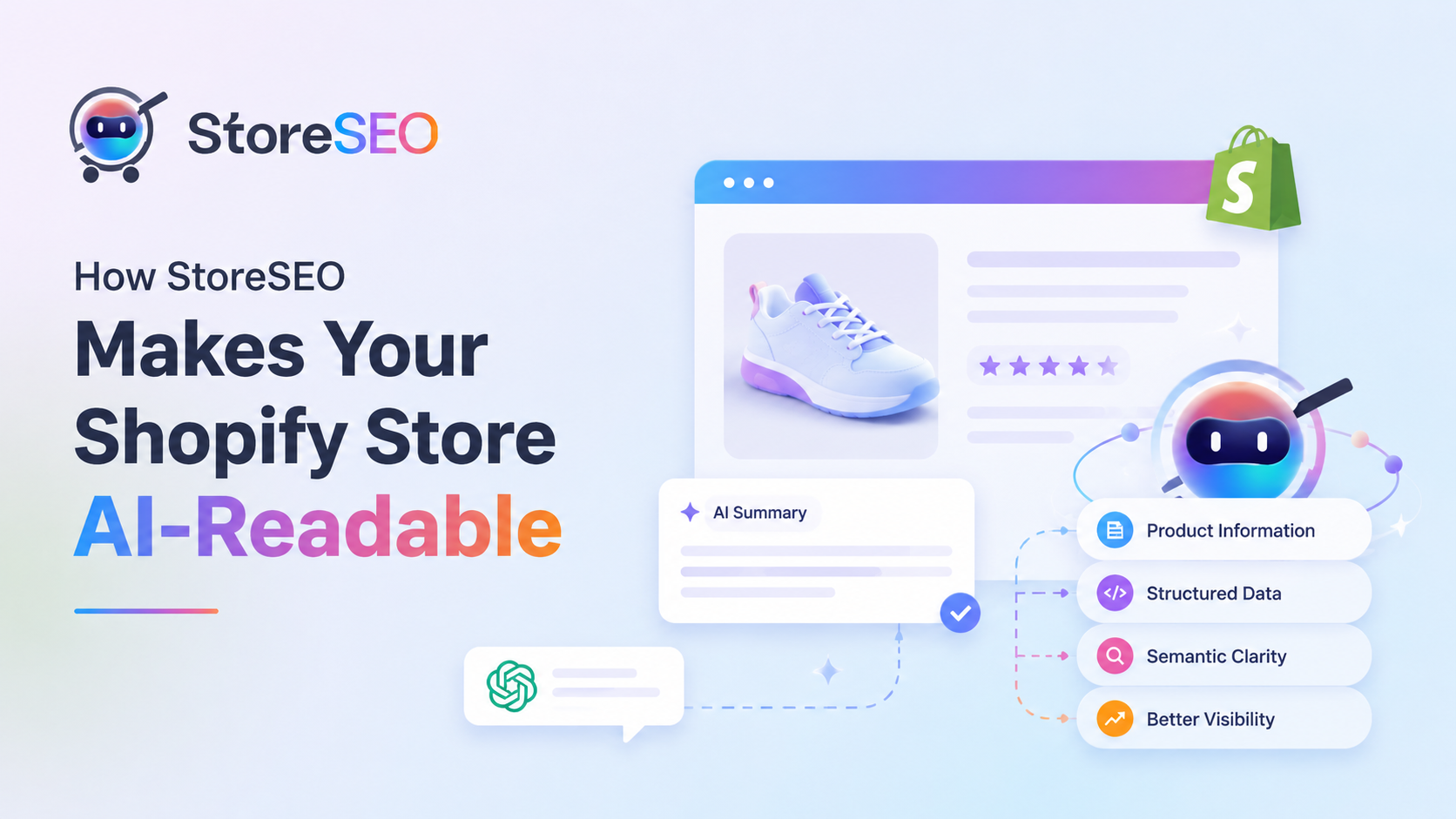
これは、Shopifyコミュニティではほとんど誰も話題にしていない、少なくとも本来あるべき深さで語られていない、AI対応チェックリストです。.
ChatGPTで「[あなたの製品カテゴリ]の中で一番良いものは何ですか?」と質問されたときに、あなたのストアが実際に表示されるようにしたいなら、ぜひこのまま読み進めてください。これは重要なポイントです。.
Shopifyストアにとって「AI対応」とは具体的に何を意味するのでしょうか?
チェックリストに入る前に、一つ明確にしておきましょう。AIが読みやすいということは、サイトがボットにとって見栄えが良いという意味ではありません。それは、大規模な言語モデルが次の4つのことを高速に実行できるという意味です。
- クロール可能な、構造化されたURLを通じて、あなたのストアを見つけましょう。.
- スキーマ、意味的コンテキスト、エンティティシグナルを用いて、販売する商品やサービスを理解する。.
- AIの回答において、情報源として引用するほど、あなたのストアを信頼してください。.
- 商品ページから、簡潔で分かりやすい回答を直接抽出しましょう。.
これが、私たちが今「 回答エンジン最適化(AEO) そして 生成エンジン最適化(GEO). 違いについてもっと詳しく知りたい場合は、 ShopifyストアにおけるGEO、AEO、従来型SEOの比較 すでに。簡単に言うと?従来のSEOはランキング上位表示に貢献する。AIによる読みやすさはおすすめ度を高める。その差は四半期ごとにますます重要になる。.
なぜほとんどのShopifyストアはAIテストにひっそりと失敗しているのか
これから少し耳の痛いことをお伝えします。私たちのチームが 数百のShopifyストアを分析し、ランキング上位にランクインしない理由を突き止めた。 GoogleとAI検索では、そのパターンは驚くほど一貫していた。.
私たちが店を巡るたびに発見するのは、次のようなことです。
- 71%の製品ページにはFAQスキーマが添付されていませんでした。ゼロです。AIエンジンはFAQスキーマを好みます。なぜなら、すぐに使えるQ&Aの抜粋を提供してくれるからです。.
- 58% には、破損、不完全、または欠落した製品スキーマがありました。そのうちの半分は、テーマ自体によって誤って入力されていました。.
- 84%にはllms.txtファイルがなかった。ほとんどの商人はその用語を聞いたことがなかった。.
- ほとんどどの商品にも、実体情報が豊富な商品説明はなかった。文章はまるで2014年のマーケティングチラシのようだった。.
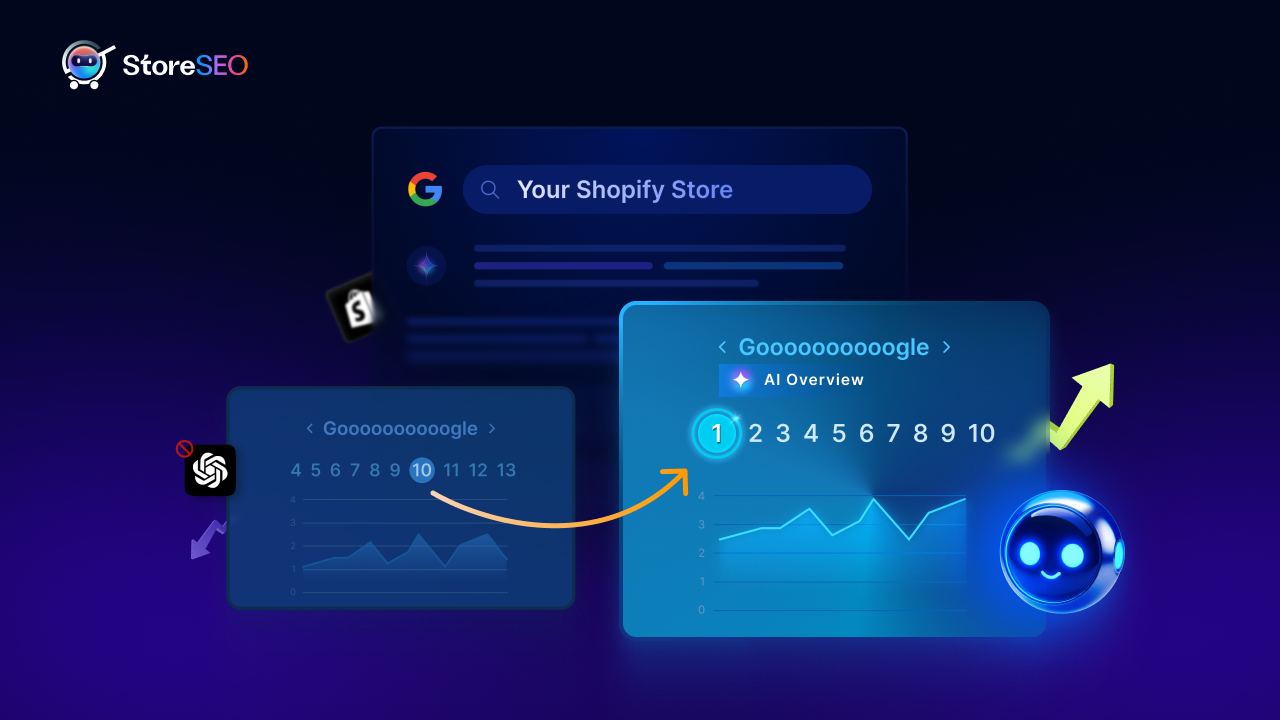
問題は、販売者が怠惰であることではありません。問題は、Shopifyのエコシステムがあまりにも長い間、旧来のSEOについて語ってきたため、誰もAI時代に対応した戦略を更新していないことです。デフォルトのShopifyテーマは基本的な機能を提供します。しかし、ChatGPTが1秒以内にあなたと3つの競合他社の中から選択する場合、基本的な機能だけでは不十分です。もしあなたのストアが GoogleやChatGPTでランキングされていない, これが通常、理由です。.
チェックリスト StoreSEOはShopifyストアをAIが読み取れるようにする
それでは本題に入りましょう。これは、ShopifyストアのAI対応状況を監査する際に、社内で実際に確認している項目のリストです。中には、耳にしたことがあるものもあるでしょう。しかし、中には、きっと聞いたことがない項目もあるはずです。.
1. LLMS.txtファイルを追加します(そうです、これはAI用の新しいRobots.txtです)。
この記事全体から一つだけ実行することを選ぶとしたら、これだけは実行してください。llms.txtファイルは、ドメインのルートにあるシンプルなマークダウン文書で、大規模言語モデルにサイトの内容、最も重要なコンテンツ、そして注意を払うべき点を指示します。.
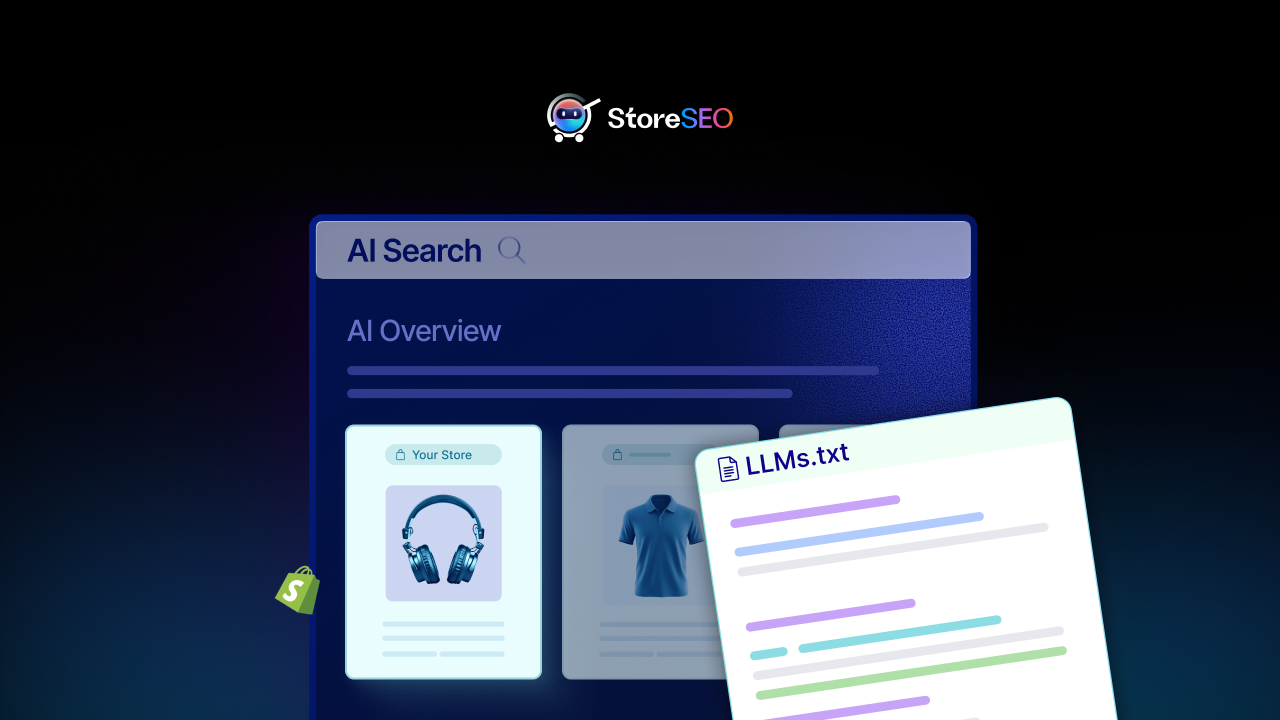
ChatGPT、Perplexity、Gemini への丁寧で体系的な入門書と考えてください。ステップバイステップのガイドがあります。 Shopifyストアでllms.txtを実装する方法. 手順書が必要な場合は、正確なフォーマットと、実際に効果を発揮する部分を含めてください。.
内部情報:Anthropic、OpenAI、PerplexityなどのAIクローラーは、既にECサイトでllms.txtファイルの有無をチェックしています。ほとんどのShopifyストアにはllms.txtファイルがありません。それだけでも、他店との差別化につながります。.
これを手動ではなく自動化したい場合は、, ストアSEO Shopifyに最適化されたllms.txtをストア用に自動生成し、カタログが変更されるとそれを更新し、AIクローラーに再チェックを依頼します。クライアントのために手作業で作成するのが面倒になったため、これを作成しました。 llms.txtとスキーママークアップに対応した最高のAI搭載Shopifyアプリ 選択肢を比較したい場合。.
2. 構造化データの堅牢性を高める(スキーママークアップ)
スキーママークアップは、検索エンジンやAIにささやく方法です。“これは商品です。これが価格です。これが評価です。これがよくある質問です。.”「それがなければ、AIは推測するしかない。それがあれば、AIはあなたの言葉を引用する。」.
最低限、すべてのShopifyストアでは、以下のスキーマタイプが有効かつ検証済みである必要があります。
- 製品スキーマには、製品名、説明、価格、在庫状況、ブランド、GTIN、および総合評価が含まれます。.
- 組織構造(最も軽視されがちな部分ですが、EEATの基盤となるものです)。.
- サイト構造を示すパンくずリストのスキーマ。.
- 製品ページとコレクションページにおけるFAQページのスキーマ。.
- AIが好む社会的証明を与えるためのレビューおよび集計評価スキーマ。.
私たちはかなり意見の強い記事を書きました SEOスキーマがShopifyのクリック率とリッチリザルトを向上させる方法 これはその理由を深く掘り下げたものです。要約すると?スキーマはもはやあれば良いものではありません。それはAIがストアを理解するために使用する言語であり、 FAQスキーマと製品スキーマのペアリング これは、今四半期に実行できる最も高い投資対効果(ROI)をもたらす施策の一つです。.
3. キーワードだけでなく、エンティティの製品説明を作成する
Shopifyのコピーライティングのほとんどがここで失敗します。AIはキーワードを読み取るだけではありません。エンティティを読み取るのです。エンティティとは、ブランド、素材、ユースケース、人物、場所、問題といった現実世界の概念のことです。.
「普段使いに快適な靴」のような商品説明を書くと、AI はマーケティングの誇大広告だと認識します。“足底筋膜炎の回復のために作られたメリノウールのランニングシューズ。ヒールからつま先までのドロップは4mm。“「AIは4つのエンティティ、ユースケース、そして明確な製品適合性を認識します。それが推奨される製品です。」.
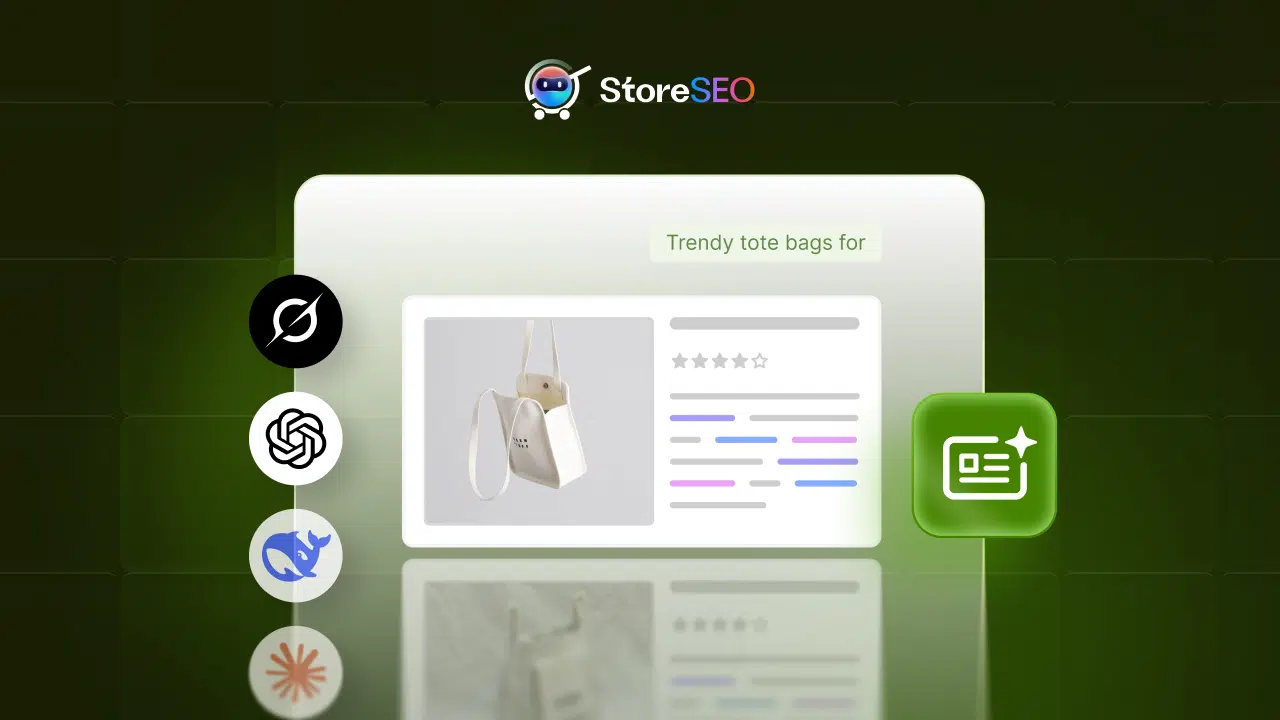
製品コピーを監査する際の私たちの経験則:
- 素材、使用事例、対象ユーザー、そして具体的な差別化要因を一つ挙げてください。.
- 顧客がChatGPTに実際に話しかける際に使うような、カテゴリーに関する言葉遣いを使用してください。.
- 類似製品や代替製品を名称で記載してください。競合他社製品も含みます。AIによる相互参照機能も搭載しています。.
- 「これは誰に向けたものですか?」という短い一文を追加してください。AIはオーディエンスのシグナルを好みます。.
そんな風に200個もの商品説明を書くのが苦痛に思えるなら、その気持ちはよく分かります。だからこそ私たちは StoreSEO AI説明文生成ツール. エンティティ認識機能を備え、AEO対応の商品説明を、ブランドボイスで、スキーマフレンドリーな構造を組み込んだ状態で一括生成します。弊社ではデモストアで使用していますが、AIによる引用率の差は驚くほどです。.
4. 適切なスキーマを使用して、実際の FAQ セクションを作成する
FAQはもはや買い物客だけのものではありません。AI概要やChatGPTの回答で最も引用されるフォーマットです。戦略的に活用していないと、引用スペースを無駄にしていることになります。私たちは、 AI概要がFAQで推奨する正確な表現形式 そして、その模様はさりげないものではない。.
効果的な方法:
- 人間が実際に尋ねるような言い方で質問しましょう。「これはどれくらい持ちますか?」という質問は、「製品の寿命に関する情報」という質問よりもずっと良いでしょう。“
- 回答は40語から90語以内に収めてください。AIは簡潔でありながら内容の充実した回答を好みます。.
- 質問ごとに明確な回答を1つ記述してください。3段落にもわたって回答を埋もれさせないでください。.
- AIが解析できるように、すべてをFAQPageスキーマで囲みます。.
まだ製品ページに FAQ を追加していない場合は、 ShopifyストアフロントにFAQを表示する方法 セットアップの手順を説明します。.
プロのヒント: コレクションページも恩恵を受ける。ほとんどの販売者はその点を忘れている。.
5. EEATシグナルを獲得しよう(AIは匿名ストアを信用しない)
経験、専門知識、権威、そして信頼。Googleが提唱したこの概念は、AIエンジンにとってランキングの重要な要素となっています。もしあなたのストアが、顔の見えないドロップシッピング業者のように見えるなら、AIは間違いなくあなたをランキングから外してしまうでしょう。毎回必ず。.
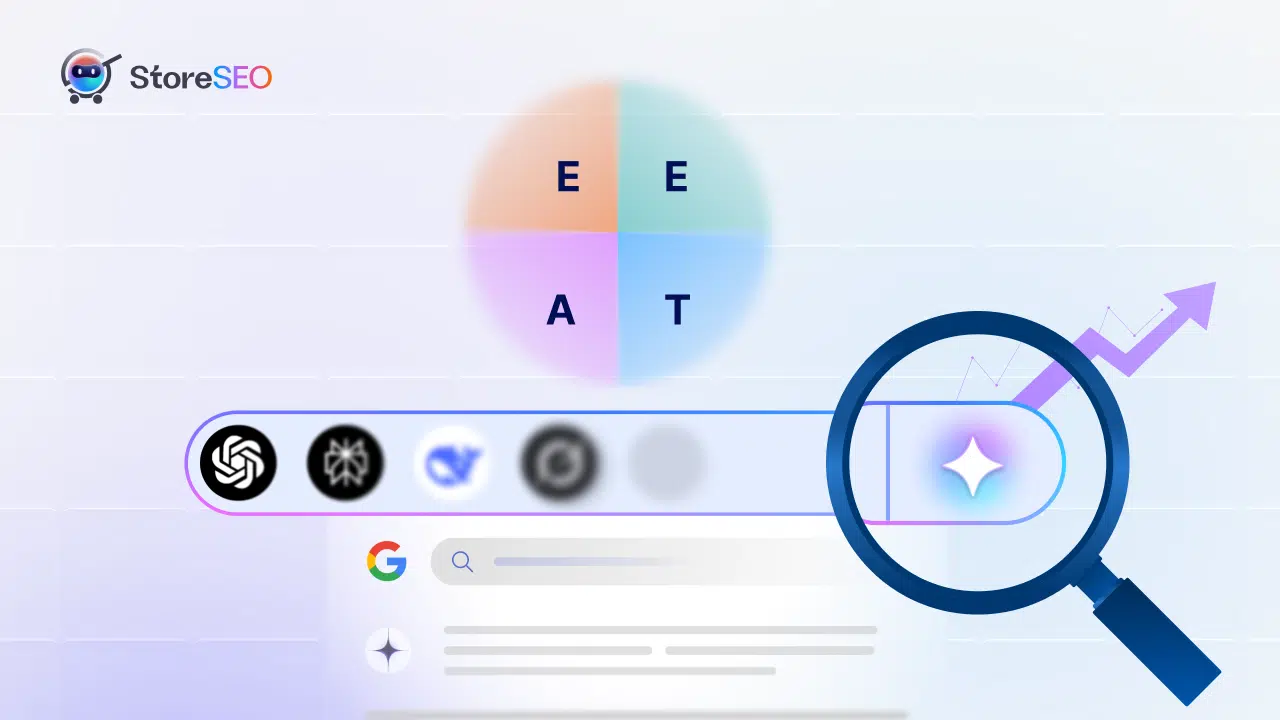
ShopifyでEEAT(エネルギー消費量)を実際に向上させる要素は以下のとおりです。
- 創業者名、写真、そして創業の経緯などを掲載した、本格的な「会社概要」ページ。.
- ブログ記事に著者のプロフィールを掲載する。そう、ブログは今でも重要だ。特にGEO(地理情報)においては。.
- 購入証明バッジが付いた、実際の顧客レビュー(怪しい4.9つ星評価ではありません)。.
- メディア掲載、認証、信頼バッジは、組織スキーマに紐づけられています。.
- 配送、返品、連絡先情報は、画像だけでなくHTMLで明確に記載してください。.
私たちはこれについて、記事で詳しく解説しました。 EEATは、AI検索エンジンでShopifyストアのランキングを向上させるためのツールです。. ストア開設から2年以内であれば、一読する価値があります。AIは現在、ドメインの経過年数と信頼性のシグナルを非常に重視しています。.
6. コアWebバイタルを修正する(AIが低速なストアを適切にクロールしない)
AIクローラーにはクロール予算があります。もしあなたのShopifyストアの読み込みに4.8秒かかり、かつ累積レイアウトシフトによってユーザーが乗り物酔いのような症状を起こす場合、優先順位が下げられます。実に単純な話です。.
私たちは公開しました 2026年版ShopifyコアWebバイタル完全ガイド, FIDに代わって導入された新しいINP(Interaction to Next Paint)メトリックの修正方法なども含めて説明します。過去60日以内にCore Web Vitals監査を実施していない場合は、このリストにある他の作業を行う前に必ず実施してください。スピードは最低限の基準です。他のすべての要素は、このスピードの上に構築されます。.
7. サイトマップではなく、脳のように内部リンクをマッピングする
ほとんどのShopifyストアでは、内部リンクの設定を面倒な作業と捉えています。「関連商品」ウィジェットをいくつか設置して、それで終わりにしてしまうのです。しかし、AIエンジンは内部リンクを解析して、トピック間の関連性、権威の流れ、コンテンツの深さなどを理解します。リンク構造が平坦だと、ストアのコンテンツが浅いとAIに判断されてしまうのです。.
優れた内部リンク戦略とはどのようなものか:
- ハブアンドスポーク型。ピラーページはクラスターにリンクし、クラスターはピラーにリンクする。.
- 説明的なアンカーテキスト。. “"ここをクリック"” AIには何も伝えない。. “「軽量トレイルランニングシューズ」” AIにすべてを話す。.
- ブログコンテンツと商品ページやコレクションページを、意図的に相互リンクさせましょう。.
- パンくずリストをあらゆる場所で使用し、BreadcrumbListスキーマを添付してください。.
包括的な解説が必要な場合は、以前の投稿をご覧ください。 Shopifyの内部リンクの構築 今でも通用する。原則は変わっていない。変わったのは、その緊急性だけだ。AIは深い理解を高く評価する。.
8. キーワードでのランキングはやめましょう。トピックでのランキングを目指しましょう。.
AIはキーワードで思考するのではなく、トピック、サブトピック、そして意味的な関係性で思考します。もしあなたのストアが50個の無関係なキーワードを中心に構築されている場合、AIは断片的な情報として認識します。しかし、ストアが8つの密集したトピッククラスターを中心に構築されている場合、AIは権威性を認識します。.
これについては、 キーワードクラスターがShopifyストアに実際にどのように役立つか そしてその影響は 商品説明のためのキーワードクラスター. どちらも、「見かけ倒し」から「推薦される」レベルにステップアップしたいなら必読書です。.
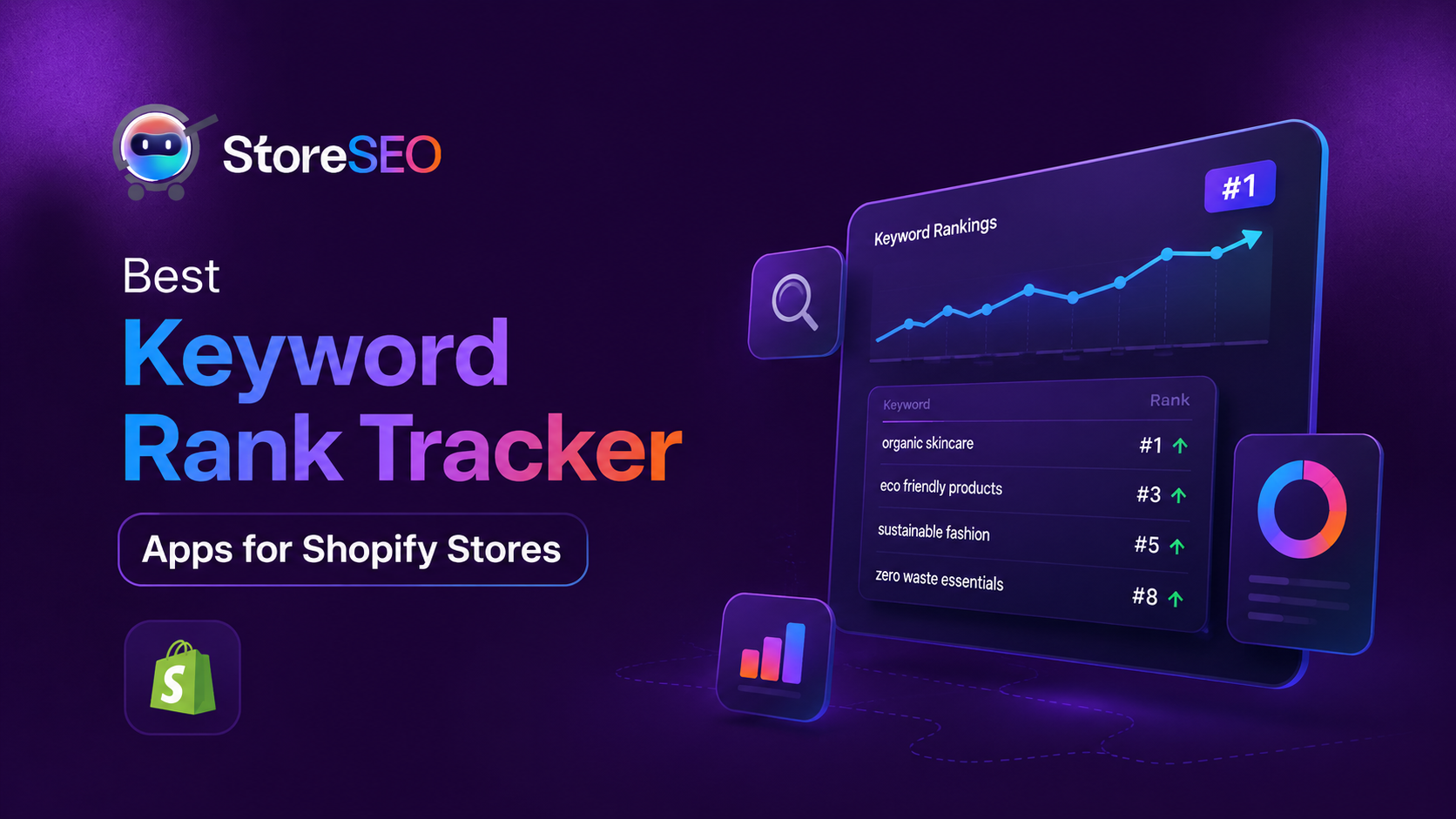
大規模なクラスタリングを実用化するために、私たちのチームは StoreSEOキーワードクラスタージェネレーター, これは、クエリを意味的な意図に基づいてグループ化し、AIが実際にたどることができるコンテンツマップを提供します。これと組み合わせると、 StoreSEOキーワードランクトラッカー そして、何がうまくいっているのかを、クローズドループで把握できます。.
9. エージェント型商取引への準備(これはあなたが思っているよりもずっと近い将来に実現する)
エージェント型AIは次の段階です。人間がChatGPTに商品のおすすめを尋ねる代わりに、AIエージェントが人間に代わって購入を行います。閲覧、比較、決済まで、すべて人間の手を借りることなく完了します。もしあなたのストアがそのような仕組みになっていないなら、全く新しいタイプの買い物客にとって、あなたのストアは存在意義を失ってしまうでしょう。.
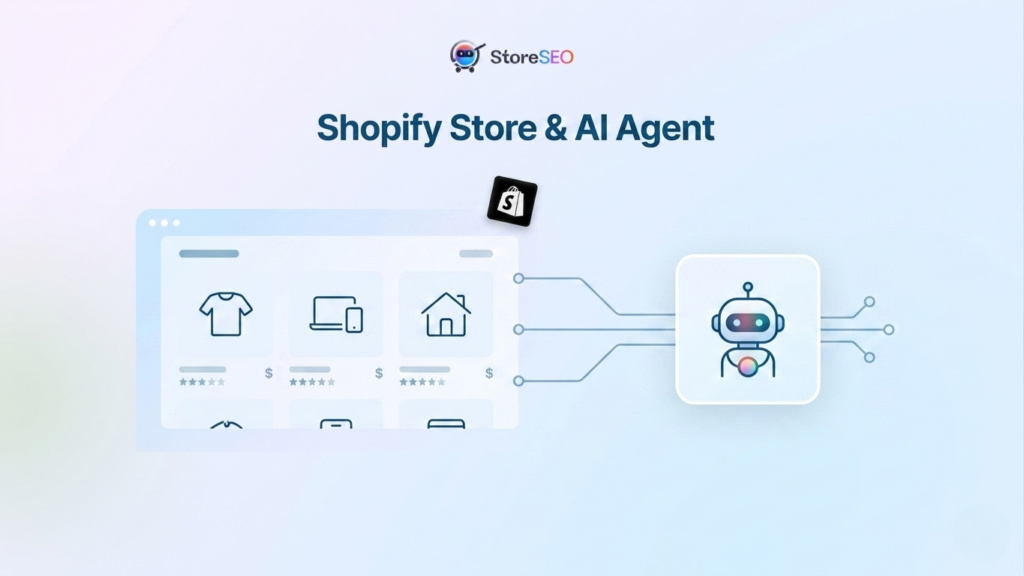
これはSFではありません。現在、実際に運用されています。ガイドをご覧ください。 エージェント型コマースと、ストアをAI対応にする方法 全体像を把握するために、 Shopifyストアにエージェント型AI戦略が必要な理由 そして新興国の役割 エージェント型商取引におけるユニバーサル商取引プロトコル(UCP).
ここからがちょっと変わった、でも本当の話です。StoreSEOは Shopify向けのエージェント発見スコア 特に、AIエージェントが現在あなたの店舗をどれだけ認識しているかを測定するために使用します。初めて自分のスコアを見ると、正直言って謙虚な気持ちになります。ベンチマーク対象の店舗のほとんどは、最初のスキャンで100点満点中40点未満です。.
10. AIが実際にストアで何をしているかを追跡する
測定できないものは改善できません。そして重要なのは、Google Search ConsoleではChatGPTの引用は表示されません。Perplexityからの参照も表示されません。GeminiがFAQを引用した時期もわかりません。別のレベルの測定方法が必要なのです。.
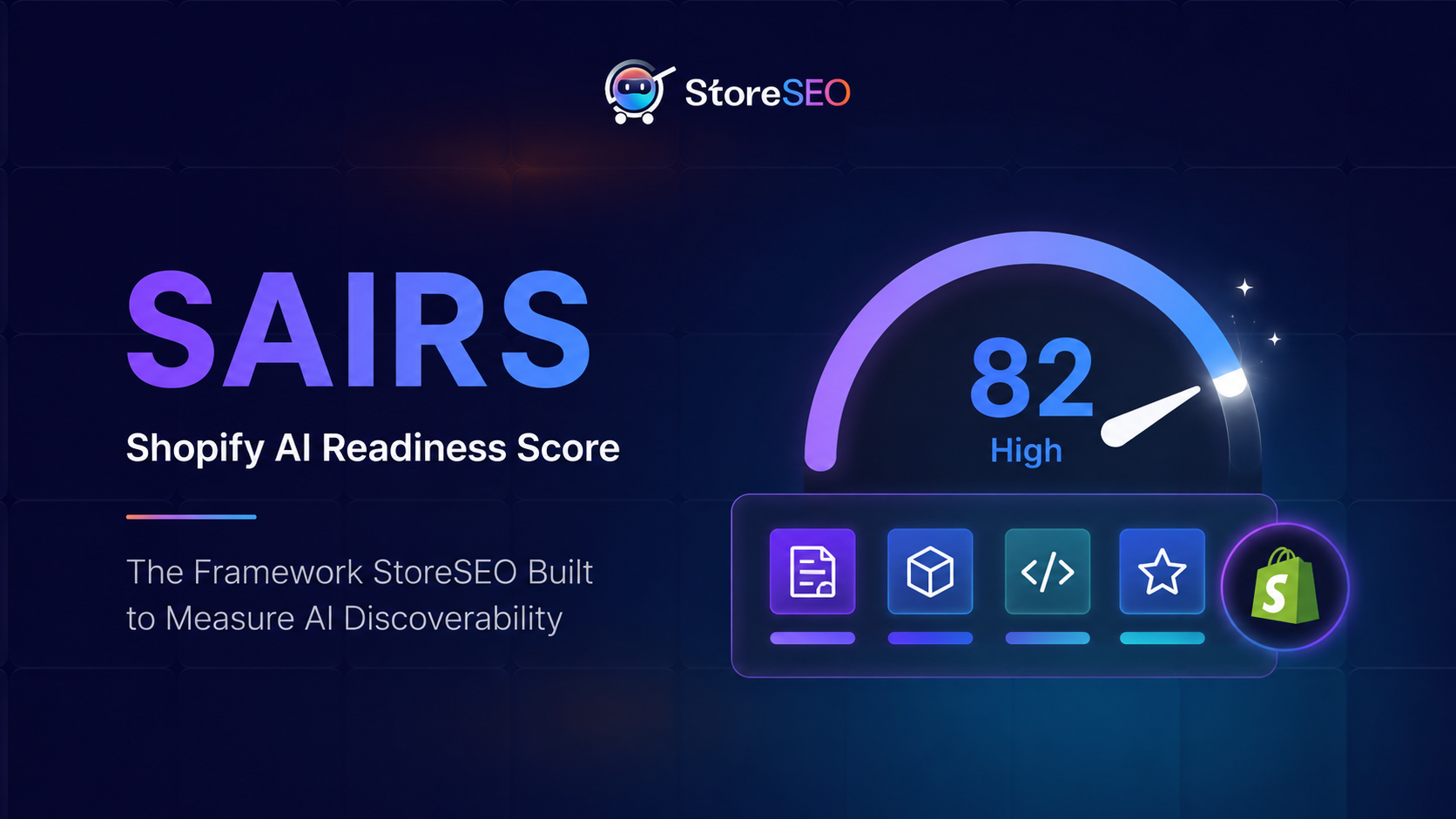
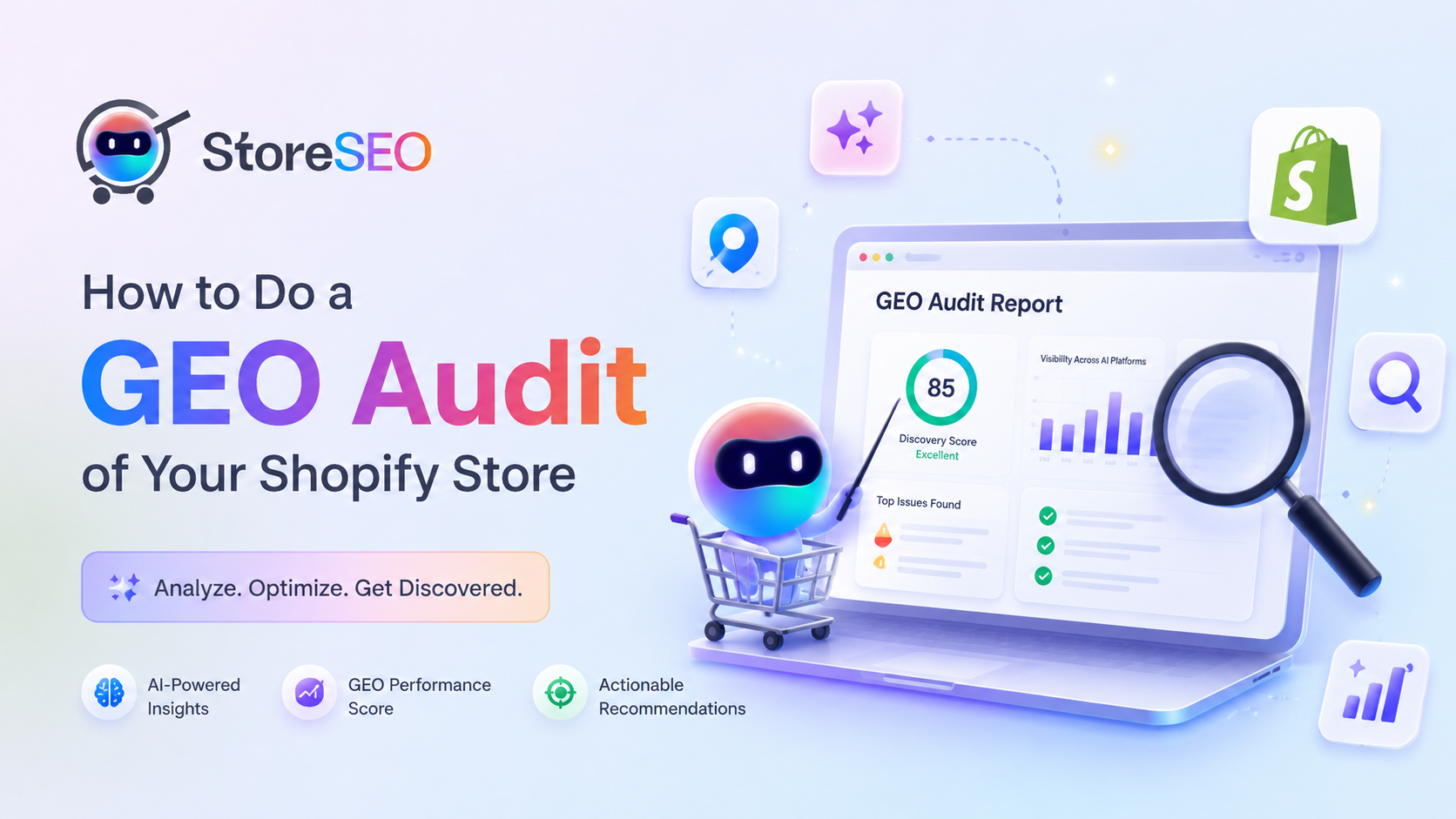
の StoreSEO AI対応度スコア(SAIRS) は、そのギャップを埋めるために私たちが開発した指標です。スキーマ、コンテンツ構造、エンティティカバレッジ、llms.txtの存在、FAQ形式、EEATマーカー、クロール対応性など、14の加重シグナルを追跡します。ストアをスコアリングし、修正すべき箇所を正確に伝え、変更のたびに再スコアリングを行います。.
ChatGPT、Gemini、PerplexityといったAIエンジンが実際にどのように推奨対象を決定しているのかを知りたい場合は、次の解説記事をお読みください。
ChatGPT、Gemini、PerplexityがShopify製品を推奨する方法. その仕組みは、ほとんどのマーケターが想定しているものとは異なる。.
StoreSEOがこれらすべてをどのようにまとめてくれるのか
10項目のチェックリストが外から見るとどんなものか、私たちはよく分かっています。気が遠くなるほど大変で、時間もかかり、外注費用も高額です。そこで、StoreSEOが実際に何をするのかを率直にお伝えしましょう。
- llms.txt を自動的に生成および管理します。.
- ストアに必要なあらゆるスキーマタイプを監査し、修正します。 (製品、よくある質問、組織、パンくずリスト、レビュー、総合評価).
- 当社のAI説明生成ツールを使えば、豊富なエンティティを含む製品説明文をまとめて作成できます。.
- キーワードクラスターを構築し、ランキングを追跡します。 従来型の検索とAI検索の両方のプラットフォームにおいて。.
- AI対応度を採点します SAIRSとエージェント検出スコアを使用して、修正方法を案内します。.
- AI対応のスニペットを生成します 弊社のAIスニペットジェネレーターを使用すれば、どのページにも導入できます。.
スニペット記事についてさらに詳しく知りたい場合は、こちらをご覧ください。 Shopifyストア向けのStoreSEO AIスニペットジェネレーター. AIへの移行についてまだ迷っているなら、私たちは AIを活用したショッピング革命と、それを生き抜くための販売方法, これは、上記のチェックリスト項目それぞれの理由を説明するものです。.
正直に言うと、私たちは偏った見方をしているかもしれません。優れたShopifyストアが、自分たちが気づかないうちにAI検索の変更によって潰されていくのを見るのにうんざりして、この製品を開発しました。どんなツールを使っても構いません。ただ、チェックリストだけは飛ばさないでください。.
よくある質問
ShopifyストアがAIに対応しているとはどういう意味ですか?
AIが読み取れるShopifyストアとは、ChatGPT、Gemini、Perplexity、ClaudeといったAIエンジンが、検索、理解、信頼、引用できるストアのことです。通常、構造化されたデータ(スキーママークアップ)、llms.txtファイル、エンティティが豊富な商品説明、FAQスキーマ、強力なEEATシグナル、そして高速なCore Web Vitalsを備えています。.
llms.txtは2026年のShopify SEOに本当に必要なのでしょうか?
技術的には必須ではありませんが、強力なベストプラクティスになりつつあります。OpenAI、Anthropic、PerplexityなどのAIクローラーは、ECサイトをインデックス化する際にllms.txtファイルをチェックします。追加するのに数分しかかからず、追加していない競合他社に対して明確な優位性を得ることができます。.
ShopifyにおけるAEOは、従来のSEOとどのように異なるのでしょうか?
従来のSEOは、Googleのブルーリンクでのランキング向上を目指します。一方、AEO(Answer Engine Optimization)は、ChatGPT、Gemini、Perplexity、Google AI OverviewsなどのAI生成による回答内で引用、参照、または推奨されることを目指します。技術的な基盤は共通していますが、AEOは構造化データ、FAQ形式、エンティティカバレッジを重視しています。.
GEO(Generative Engine Optimization)とは何ですか?
ジェネレーティブエンジン最適化とは、生成型AIエンジンが生成するレスポンスの中に、自社の商品やブランドが適切に表示されるようにストアを構築する手法です。AEO(Advanced Engine Optimization)と重複する部分もありますが、単一クエリのランキングよりも、引用価値、意味の深さ、トピックの権威性を重視します。.
AIによる読みやすさを重視した場合でも、私のShopifyストアはGoogle検索で上位表示されるでしょうか?
はい、そして通常はより良い結果をもたらします。AI対応ストアは、クリーンなスキーマ、高速なページ、充実したコンテンツ、そして真のEEATといった、従来のSEOのベストプラクティスと技術的な基盤のほとんどを共有しています。AI向けに最適化することで、Googleのランキングが低下するのではなく、副次的な効果としてランキングが向上する傾向があります。.
ShopifyストアをAIが読み取れるようにするには、どれくらいの時間がかかりますか?
適切なツールを使用すれば、基盤となるレイヤー(スキーマ、llms.txt、FAQマークアップ、Core Web Vitals)は1~2週間で構築できます。エンティティが豊富なコンテンツとトピッククラスターの構築は継続的なプロセスであり、AIエンジンがストアを再クロールして再インデックス化する60~90日後に効果が現れます。.
StoreSEOは新規のShopifyストアにも効果がありますか?それとも既存のストアのみに効果がありますか?
どちらも当てはまります。新しい店舗は、後からAI対応を後付けするのではなく、最初からAI対応機能を組み込むことができるため、ある意味ではより大きなメリットを得られます。一方、既存の店舗は、ブランド力と集客力が既に確立されているため、より早く効果を実感できます。.
最終的な考察:AIによる読みやすさはもはや選択肢ではなく必須事項である
最後に、一つだけお伝えしたいことがあります。現在、Shopifyで成功を収めているのは、最も美しいテーマを使っている企業や、最も多額の広告予算を投じている企業ではありません。彼らは、AIがもはや遠いトレンドではなく、次のデフォルトの検索行動となることを、市場の他の企業よりも早く認識した企業なのです。.
上記のチェックリスト項目はどれも小さな要素です。どれも単独では画期的な効果はありません。しかし、これらが組み合わさることで、あなたのストアが来週ChatGPTに評価されるか、それとも今後2年間ひっそりと評価対象から外されるかが決まります。.
もっと速い方法が欲しいなら、, StoreSEOを試してみてください. 上記の項目を処理するために特別に構築したので、あなたは得意なこと、つまりビジネスの運営に集中できます。また、当社のブログを参考にDIYで進めたい場合は、それでも構いません。いずれにしても、プレイブックは引き続き公開していきます。まずは、 究極の SEO チェックリスト そして私たちの記事は ShopifyランキングにおけるオンページSEO要因, そうすれば、あなたは順調に進んでいくでしょう。.
頑張ってください。AIへの移行は現実のものとなり、私たちはあなたを応援しています。.