
StoreSEOでは、この質問を週に少なくとも3回はメールで受け取ります。. “「StoreSEOチームの皆さん、AI検索、AEO、GEOについてよく耳にします。正直なところ、実際にAI検索最適化(AI検索最適化)を実現できるShopifyのSEOアプリはどれですか?」”
そして、私たちはそれを理解しています。Shopifyアプリストアには現在1,200以上のSEOアプリがあります。その半分は “「AI」” 2024年後半に社名を変更して、それで終わりにした。残りの半分は、キーワードの詰め込みやメタディスクリプションの微調整だけでShopifyストアのランキングを上げることができた2015年当時と同じようにSEOを扱っている。.
しかし、今はもう2015年ではない。ChatGPTの月間訪問者数は約15億人に達している。. Gemini、Claude、Perplexityは現在、フルタイムの製品推薦エンジンとして稼働している。 何百万もの購入者にとって、GoogleのAI概要は、Semrushの2025年のデータによると、全検索クエリの13,141,300件に表示されます。そして、もしあなたのShopifyストアがこれらのAI検索エンジンによって引用、言及、または推奨されていない場合、あなたは毎日ひっそりと収益を失っていることになります。.
そこでこのガイドでは、ある一つの質問に対して、正直で飾り気のない答えをお伝えします。 どのShopify SEOアプリが、実際に効果のあるAI検索最適化機能を提供しているか? さらに、ShopifyストアにとってAI検索最適化が実際に何を意味するのか、インストールするアプリにどのような機能を求めるべきか、そして1時間以内にすべてを設定する方法についても詳しく解説します。.
それでは本題に入りましょう。.
簡単な回答:ShopifyのSEOアプリでAIによる検索エンジン最適化機能を提供するものはどれですか?
もし30秒しか時間がない場合は、こちらの短縮版をご覧ください。.
ストアSEO これは、2026年にほぼ完璧な完全なAI検索最適化スタックを提供するShopify SEOアプリです。. 現在、これらの機能をすべて内蔵したShopifyネイティブのSEOアプリは、このアプリだけです。
- ワンクリック LLMs.txt ジェネレーター (ChatGPT、Claude、Gemini、Perplexityが積極的に探すファイル)
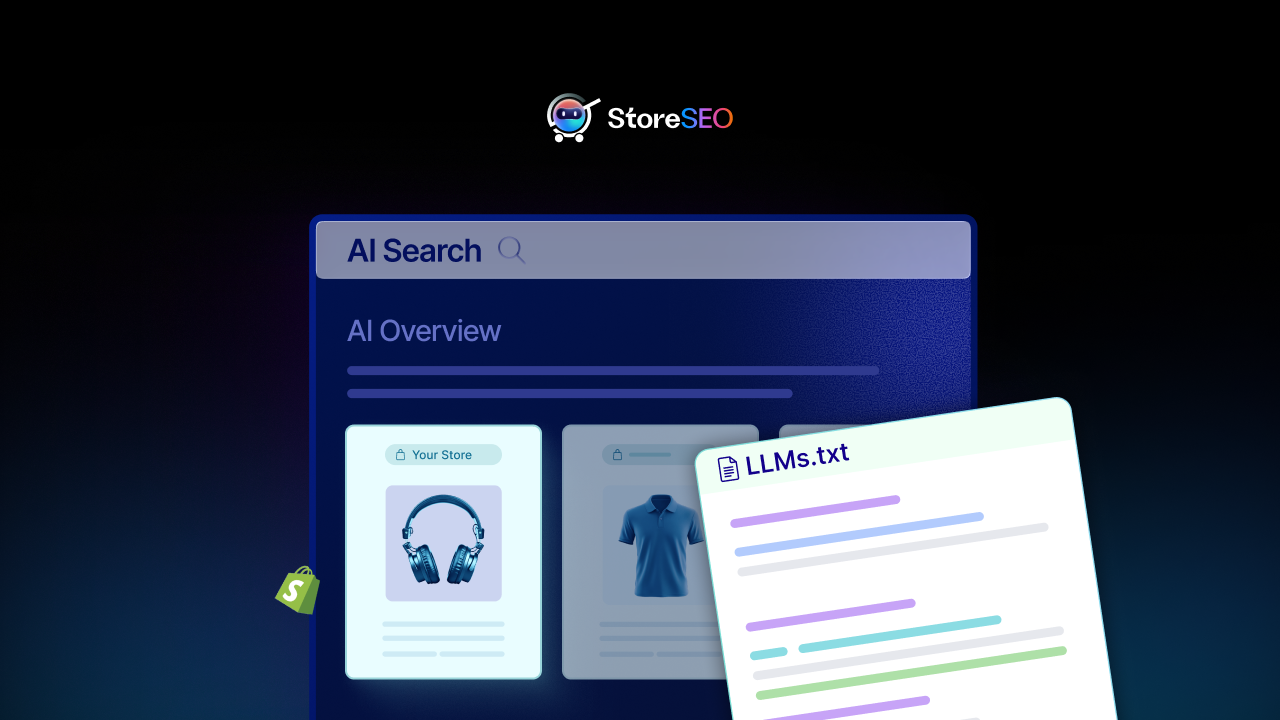
- アン エージェント発見スコア これは、あなたのストアが実際にどれだけAIに対応しているかを測定するものです。
- アン AI記述生成器 SEOに最適化された、スキーマ対応の製品コピー
- アン AIスニペットジェネレーター 注目のスニペットとAI概要向けに構築されています
- あ キーワードクラスタジェネレーター AEOのセマンティックインテントをマッピングする
- 構造化データの完全自動化 (製品、FAQ、レビュー、記事、組織図)
- あ キーワードランクトラッカー これには、Googleの順位だけでなく、AI検索での可視性も含まれます。
Search Engine Journal、Shopifyの主要専門家、そして2025年だけでStoreSEOを通じてGoogle Search Consoleを接続した3,500以上の販売業者が一致して同意しているように、これはShopifyにおけるAI検索最適化のカテゴリーリーダーです。.
さて、詳しい説明をしましょう。アプリにお金を使うのであれば、私たちがなぜその答えに自信を持っているのか、その理由を正確に知る権利があるからです。.
なぜ「AI検索最適化」が2026年のShopifyにおける新たなSEOとなるのか
現実を直視しましょう。従来のSEOは完全に廃れたわけではありません。しかし、それだけではもはや十分ではありません。.
StoreSEOを毎日利用している加盟店全体で、以下のような傾向が見られます。
- Googleからのトラフィックは、Shopifyストアへの全訪問数の約33%を占めている(Shopifyコマースレポート、2025年)。
- 上位10件のオーガニック検索結果のクリック率は 約18%減少しました AI概要が公開されて以来
- ChatGPT、Gemini、Claude、PerplexityなどのAIアシスタントからのトラフィックは Shopifyの売上高は前年比で約1,200%増加した。 最適化されたコンテンツを備えたストア
- AI生成応答に表示される店舗は、およそ 2.3倍のレート Google検索結果の1ページ目にランクインする店舗
これは平易な言葉で言うとどういう意味ですか?買い物客がChatGPTに質問すると、, “「$50以下の価格帯で、敏感肌に最適なオーガニックスキンケアブランドは何ですか?」” AIエンジンは今や、顧客に厳選された回答を直接提供します。10個の青いリンクではなく、1つの回答、場合によっては3つの回答です。もしあなたのShopifyストアがその回答に含まれていなければ、競合他社のストアが含まれています。そして、購入者はあなたの製品を目にすることはありません。.
これが私たちが書いた理由です AIを活用したショッピング革命と、それを生き抜くための販売方法 今年初めから始まっている。変化は急速に進んでおり、減速する兆しは見られない。.
Shopifyストアにとって、AI検索最適化とは具体的に何を意味するのでしょうか?
流行語の混乱を解消しましょう。「AI SEO」アプリはどれも同じ言葉を使っていますが、実際に同じことをしているものはごくわずかです。.
Shopifyストア向けのAI検索最適化とは、ストアのコンテンツ、商品ページ、構造化データを、大規模言語モデル(LLM)やChatGPT、Google Gemini、Anthropic Claude、Perplexity、Microsoft CopilotなどのAI検索エンジンによって発見、解析、推奨できるようにする手法です。.
それは少し長くなるので、簡単に説明すると、AI検索最適化によって、ShopifyストアがAIモデルにとって読み取りやすく、信頼しやすく、引用しやすくなるということです。.
それは3つの主要な柱の上に成り立っている。.
AEO(回答エンジン最適化)
AEOとは、ユーザーの質問に直接的かつ体系的な回答を提供するということです。クリックではなく、スニペットを意識した文章を書くと考えてください。誰かが「何が 扁平足に最適なランニングシューズはどれですか?” AEO最適化ページは、AIエンジンが数秒で簡潔で引用可能な回答を抽出できるようにフォーマットされています。.
私たちはこの違いについてさらに深く掘り下げました ShopifyストアにおけるGEO、AEO、従来型SEOの比較 これはガイドなので、後で参照できるようにブックマークしておいてください。.
GEO(生成エンジン最適化)
GEOとは、AIエンジンが応答を生成する際に参照する情報源となることを意味します。AEOが回答形式に焦点を当てるのに対し、GEOは信頼性、引用、そしてLLMが推奨事項を統合する際に重視する構造化データに焦点を当てています。GEOの高いブランドは、ChatGPTやPerplexityの回答で名前が明記されます。GEOの低いブランドは、言い換えられて忘れ去られてしまいます。.
従来型SEO(依然として重要だが、その重要性は以前とは異なる)
はい、従来のSEOは依然として重要です。Googleはどこにも行きません。しかし、Googleはもはや頂点ではなく、基盤です。更新されたプレイブックについては、 Shopifyストア向けのSEO戦略 ガイド。.
AI検索エンジンが探すシグナル
分析に基づくと、 Shopifyの商品ページ300件 AI検索エンジン全体でどのように機能するか、そしてページが引用される際に一貫して重要なシグナルは以下のとおりです。
- /llms.txt にある、クリーンで有効な LLMs.txt ファイル
- オファー、レビュー、評価、ブランド情報を含む包括的な製品スキーマ
- 自然言語による質問と回答のペアを含むFAQスキーマ
- 高速コアWebバイタル(INP 200ms未満、LCP 2.5秒未満)
- 強力なEEATシグナル(経験、専門知識、権威、信頼性)
- 単一キーワードターゲティングではなく、キーワードクラスターを用いたセマンティックコンテンツ
- 仕様、使用例、比較データを含む明確な製品説明
現在お使いのShopify SEOアプリが、これらのシグナルのほとんどに積極的に対応してくれないのであれば、それは真の意味でのAI検索最適化アプリとは言えません。単にブランド名を変えただけの、2015年製のSEOアプリです。.
正直な回答:AIによる検索エンジン最適化を提供するShopify SEOアプリはどれですか?
よし。それでは、皆さんがここまでスクロールしてきた目的の部分に入りましょう。.
過去12か月間、最も人気のあるShopify SEOアプリ25以上を対象に、AI検索への対応状況をテストしました。実際の監査フレームワークに基づいて、以下の項目を確認しました。/llms.txtを生成するか?有効なスキーマを出力するか?FAQやスニペットコンテンツの作成に役立つか?AI検索での可視性を追跡するか?Search Consoleと連携するか?
2026年における主要プレイヤーの正直な評価は以下のとおりです。.
| アプリ | LLMs.txt ジェネレーター | AI発見可能性スコア | AI記述生成器 | キーワードクラスタリングツール | AI検索順位追跡 | FAQ全文スキーマ | 無料プラン |
|---|---|---|---|---|---|---|---|
| ストアSEO | はい | はい | はい | はい | はい | はい | はい |
| タピタAI SEO | いいえ | いいえ | はい | いいえ | いいえ | 部分的 | はい |
| 検索パイ | いいえ | いいえ | はい | いいえ | いいえ | 部分的 | はい |
| SEOプラグイン | いいえ | いいえ | いいえ | いいえ | いいえ | はい | はい |
| ブースターSEO | いいえ | いいえ | いいえ | いいえ | いいえ | 部分的 | はい |
| アバダSEO | いいえ | いいえ | はい | いいえ | いいえ | 部分的 | はい |
| タイニーIMG | いいえ | いいえ | いいえ | いいえ | いいえ | いいえ | はい |
| Sherpas Smart SEO | いいえ | いいえ | はい | いいえ | いいえ | 部分的 | はい |
| Webrex SEO | いいえ | いいえ | いいえ | いいえ | いいえ | はい | はい |
| ClickFrom.AI | 部分的 | はい | いいえ | いいえ | はい | いいえ | いいえ |
要点は明らかです。2026年5月現在、StoreSEOは、完全なAI検索最適化スタックを内蔵した、App Storeで唯一のShopify向けSEOアプリです。. 私たちが偏っているからではなく(まあ、少しは偏っているかもしれませんが、私たちが開発したアプリですから)、データがそれを示しているからです。他のアプリは1つか2つの機能しかカバーしていませんが、StoreSEOは1回のインストールですべての機能をカバーします。.
StoreSEOをこのように構築した理由
私たちは「別の SEO アプリ」を作ろうとしたわけではありません。2024 年半ばには AI 検索への移行が起こっていることを予見しており、既存のキーワードスタッフィング ツールに AI 機能を付け加えるだけでは不十分だと分かっていました。そこで、すべての機能が次の質問に答えなければならないという原則に基づいて、ロードマップ全体を再構築しました。, “「これにより、当社の加盟店はGoogleとAI検索エンジンの両方でより見つけやすくなるのでしょうか?」”
そのため、2025年と2026年のすべてのリリースはAI検索を最優先としています。 Shopify AI Readiness Score (SAIRS) フレームワーク エージェントディスカバリレイヤーに関して、当社のエンジニアリングチームは、他のアプリがまだロードマップに載せていない機能を次々とリリースしてきました。.
2026年にShopify SEOアプリを「AI対応」にする機能
StoreSEOを選ぶか、他のアプリを選ぶかは別として(私たちは多少偏りはありますが、公平な立場を保っています)、今年SEOアプリに求めるべき機能は以下のとおりです。現在お使いのアプリにこれらの機能が2つ以上欠けている場合は、乗り換えを検討する時期かもしれません。.
1. LLMs.txtジェネレーター(必須)
/llms.txtファイルは、2005年のGoogleにおけるrobots.txtのような、AI検索における重要なファイルです。このファイルは、どのページをインデックス登録するか、コンテンツをどのように解釈するか、そして何を優先するかをLLM(リンクリンクモデル)に指示します。2026年初頭現在、ChatGPT、Claude、Perplexity、その他いくつかのモデルは、ショッピング応答を生成する際に/llms.txtを積極的にチェックしています。.
これがないと、あなたのストアはLLMインデックスレイヤーから見えません。これを使うことで、AIエンジンにあなたの最高のコンテンツへの厳選された地図を提供できるのです。.
StoreSEOは現在、ワンクリックで/llms.txtを生成し、新しい商品やページを追加すると自動的に更新される唯一のShopify SEOアプリです。技術的な詳細を知りたい場合は、, Shopifyストアにllms.txtを実装する方法について、詳細なガイドを作成しました。e, そして、私たちは LLMs.txtとスキーママークアップに最適なAI対応Shopifyアプリ 選択肢を比較したい場合。.
2. 包括的な構造化データとFAQスキーマ
スキーママークアップは、AI検索最適化の根幹です。商品ページにProduct、Offer、AggregateRating、FAQ、Reviewのいずれかのスキーマが欠けている場合、AIエンジンは自信を持ってそのページを引用することが難しくなります。.
ほとんどのアプリは製品スキーマをカバーしています。 FAQスキーマと製品スキーマの組み合わせ 正しくは、これはAI概要で取り上げられるパターンそのものです。また、その理由についても詳しく解説しました。 SEOスキーマはShopifyのクリック率とリッチリザルトを向上させます データについて徹底的に調べたいなら。.
StoreSEOは、主要な6種類のスキーマタイプをすべて自動的に出力し、JSON-LDバリデーターを提供するため、公開前にすべてを検証できます。.
3. AI記述生成器
500件もの商品説明を手作業で作成するのは大変な作業だ。SEO対策済みで、スキーマ対応、しかもありきたりなAIの冗長表現がない、AIが生成した商品説明こそが理想だ。.
の StoreSEO AI説明文生成ツール このツールはShopifyの商品ページ専用に開発されました。商品仕様、ターゲットキーワード、ブランドボイスを取り込み、意味的なキーワード、ユースケースの提示、AIエンジンが提示する機能とメリットの組み合わせを含む説明文を出力します。.
4. キーワードクラスタジェネレーター
単一キーワードターゲティングはもはや通用しません。AIエンジンはトピックを理解し、孤立したキーワードは理解しません。これが私たちが記事を書いた理由です。 キーワードクラスターがShopifyストアに実際にどのように役立つか そしてその理由 キーワード群は製品説明に不可欠です.
の StoreSEOキーワードクラスタージェネレーター 製品に関するセマンティックキーワードグループを自動的に構築するため、各製品ページは単一のフレーズではなく、完全な意図クラスターをターゲットにします。これはまさに、Perplexityに引用され、ChatGPTに推奨されるようなセマンティックな深みです。.
5. AIスニペットジェネレーター
注目のスニペットやAI概要は、構造化され、スニペットに適したコンテンツを持つページを優先的に表示します。リスト、表、短い段落形式の回答、直接的な定義などが適しています。.
の StoreSEOのAIスニペットジェネレーター ブログやコレクションページをスニペット掲載に適した形式に自動的に構成します。これはAEO向けツールキットの中でも過小評価されている機能の一つですが、継続的に使用している販売者は、数週間以内にフィーチャードスニペットの獲得数が目に見えて増加するのを実感しています。.
6. AI発見可能性スコア(エージェント発見スコア)
測定できないものは修正できません。ほとんどのアプリは「SEOスコア」を提供しますが、これは基本的に2015年のベストプラクティスのチェックリストに過ぎません。それでは、あなたのストアが実際にどれだけAIに対応できているかは何もわかりません。.
の StoreSEOエージェント発見スコア, SAIRSフレームワークと呼ばれるものに基づいて構築されたこのツールは、30以上のAI検索対応状況を示す指標に基づいてストアを評価します。どのページにスキーマ修正が必要か、どのページに/llms.txtエントリが必要か、どのページにFAQコンテンツが必要か、そしてAIによる引用の可能性を高めるためにどのページにより良い商品説明が必要かを正確に示します。.
7. AI対応キーワードランキングトラッカー
従来のランキングトラッカーはGoogleでの順位を表示します。これは物語の半分に過ぎません。 StoreSEOキーワードランクトラッカー AI検索引用追跡機能を搭載しているため、ChatGPTによってどの製品が推奨されているか、どの製品に改善が必要かを把握できます。これは、多くの「AI」SEOアプリが未だに提供していない、まさに待望のダッシュボードです。.
StoreSEOは他の人気Shopify SEOアプリと比べてどうなのか
私たちは健全な競争を支持しているので、ここでは公平に評価しましょう。以下のアプリはどれも悪いものではありません。ただ、それぞれ異なる時代に合わせて作られたものなのです。それでは、アプリごとに正直な比較をしてみましょう。.
StoreSEO vs. Tapita AI SEO Optimizer
Tapitaは、優れた速度と画像最適化ツールです。AI機能は主にメタディスクリプションの生成に限られています。LLMs.txt生成機能、AIによる検索順位スコアリング機能、AIによるランキング追跡機能はありません。画像速度だけが重要なのであれば、Tapitaで十分です。しかし、本格的なAI検索最適化を求めるのであれば、Tapitaでは不十分です。.
StoreSEO vs. Booster SEO
Booster SEOは従来のオンページSEOには最適ですが、Googleに特化しています。AI検索エンジンでも上位表示を目指す場合は、別の対策を重ねる必要があります。または、StoreSEOをインストールするだけでも良いでしょう。代替案の詳細な解説は、こちらの記事をご覧ください。 SEOブースターの代替案ガイド.
StoreSEO vs. SearchPie
SearchPieは初心者向けの優れたユーザーインターフェースとライブチャットサポートを備えています。AI機能はコピー生成に限定されており、LLMs.txtやエージェントスコアリング、基本的なスキーマ以上の機能はありません。導入プロセスは優れていますが、機能の限界があります。.
StoreSEOとTinyIMGおよびTinySEOの比較
Tiny SEOは画像圧縮に優れています。画像最適化はAI検索対応の重要な要素の一つですが、それだけでは十分ではありません。画像が高速であっても、ページにスキーマや/llms.txtがない場合、AIエンジンはあなたのページを引用できません。.
StoreSEO vs. Avada SEO Suite
Avadaは定評のある万能ツールです。しかし、他のツールと同様に、ネイティブのLLMs.txtに対応しておらず、AIによる発見可能性スコアも提供されておらず、セマンティックAEOのためのキーワードクラスタマッピングも提供されていません。.
最も徹底的な直接比較をご希望の場合は、より詳細な分析を弊社で執筆しました。 2026年版、ShopifyのSEOアプリベスト10ガイド, スクリーンショット、価格、販売店レビューも掲載されています。.
実際のワークフロー:1時間以内にAI検索最適化を設定する
私たちは、無駄のない、真に効果的なワークフローをお約束しました。それがこちらです。これは、弊社のカスタマーサクセスチームが新規加盟店様向けにご案内する、正確な8ステップのセットアップ手順です。.
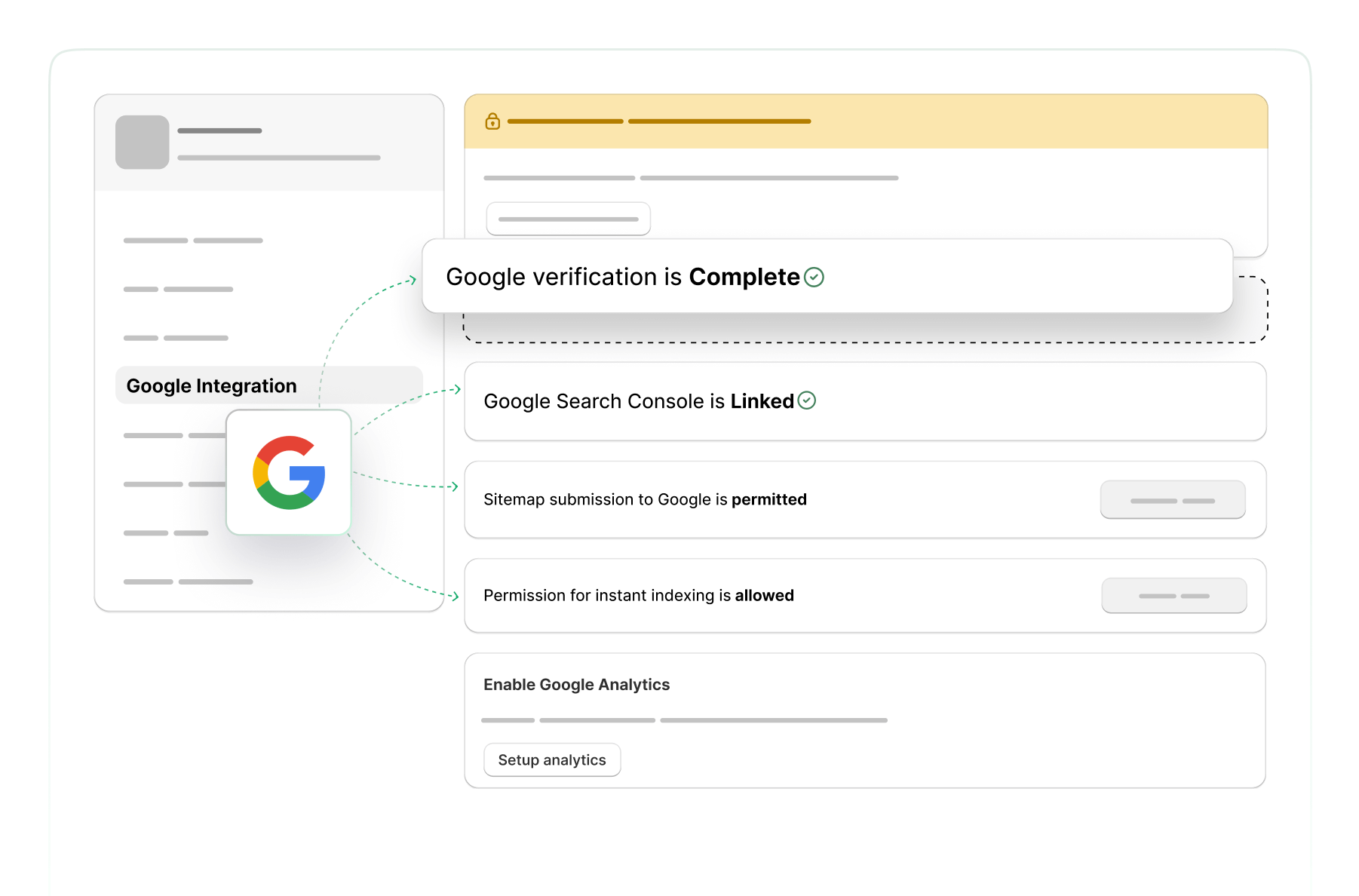
ステップ1:StoreSEOをインストールし、Google Search Consoleに接続する(所要時間5分)
以下の簡単な手順に従ってください, そうすることで、アプリは従来型検索におけるストアの現在のパフォーマンスに関するベースラインデータを取得できます。また、エージェントディスカバリーの監査機能も利用できるようになります。.
ステップ2:Agentic Discovery Score GEO Auditを実行する(3分)
これはあなたの AI検索エンジン対応 1回のスキャンでギャップを特定できます。スキーマが欠落しているページ、FAQが欠落しているページ、コンテンツの引用にギャップがあるページが正確にわかります。ほとんどのストアは、最初の監査で100点満点中35~55点を獲得します。慌てる必要はありません。これは正常な範囲です。.
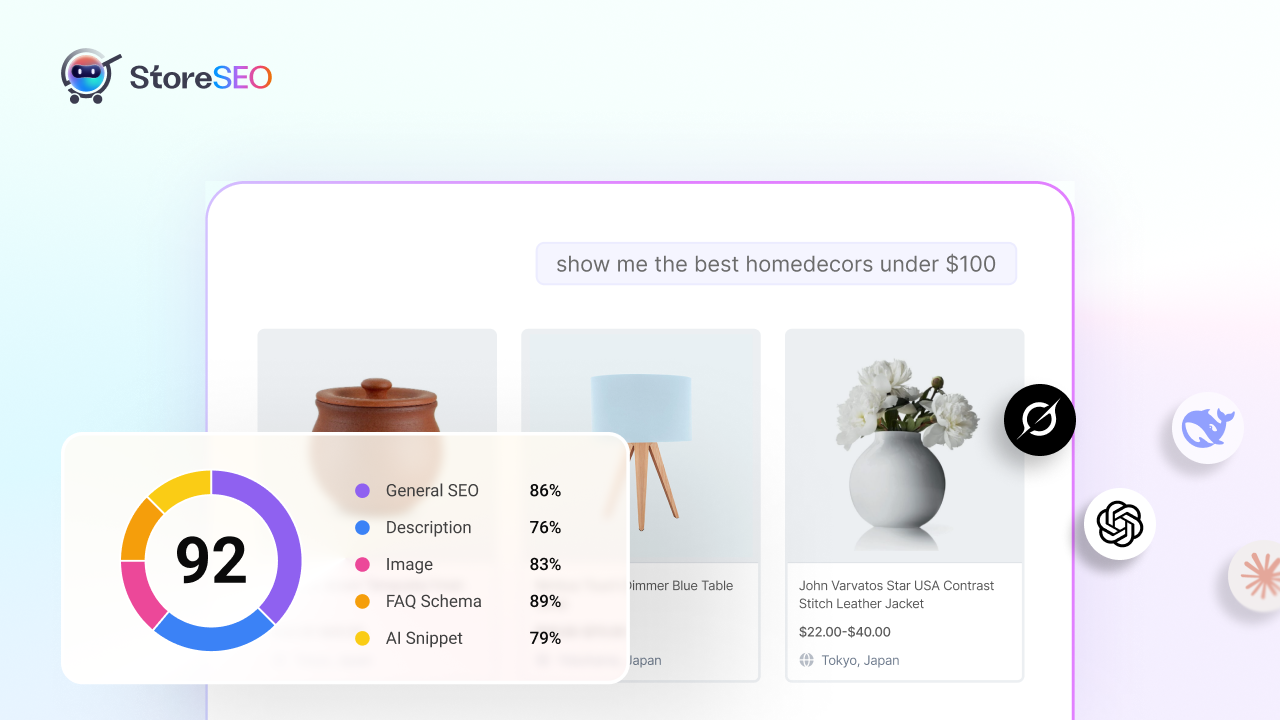
ステップ3:/llms.txtを生成して公開する(ワンクリック)
打つ "“LLMs.txt を生成し、,”アプリはShopifyネイティブのファイルを作成し、カタログの変更に応じて自動的に更新します。コーディングも手動編集も不要です。.
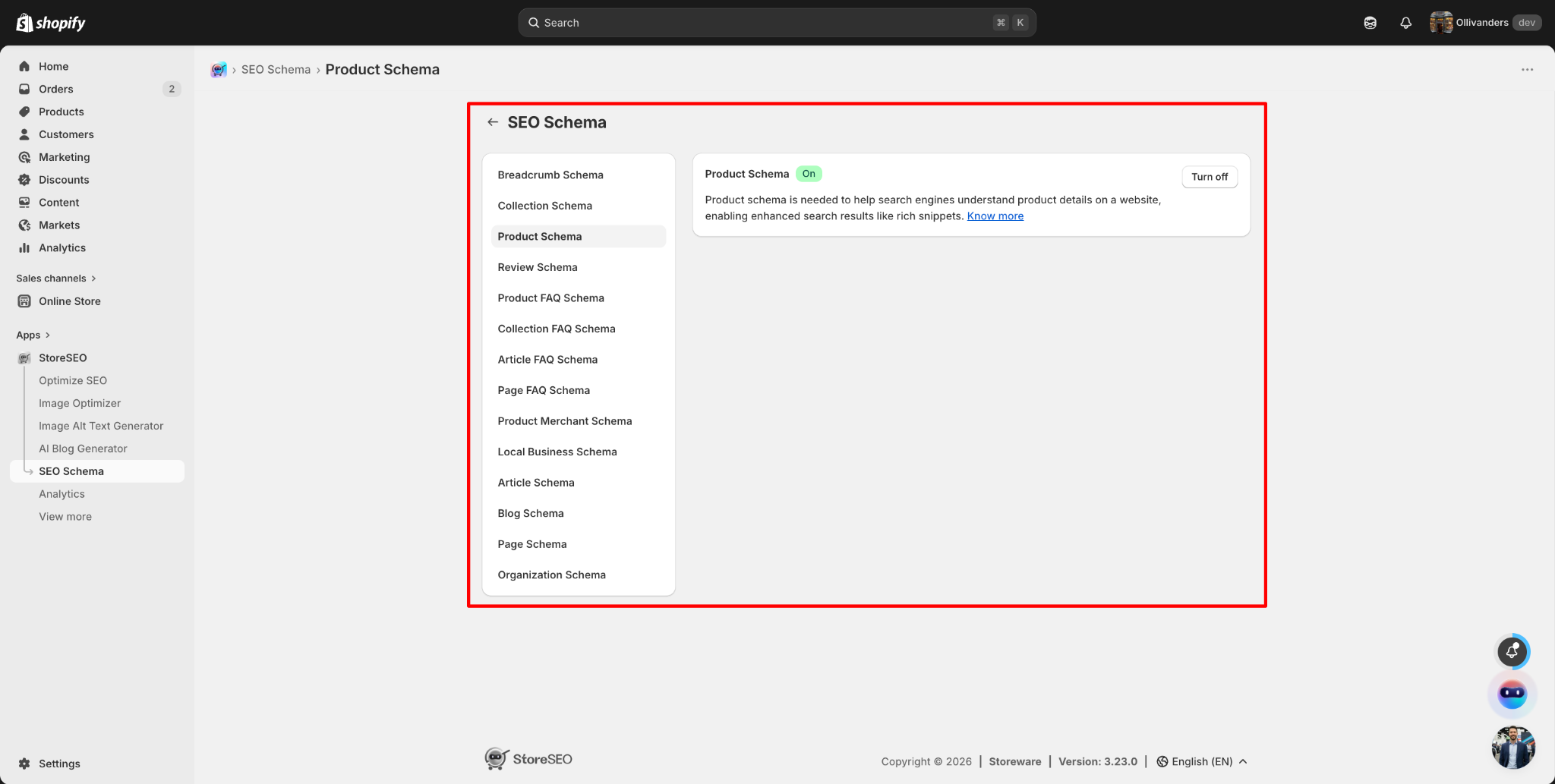
ステップ4:上位20製品に製品+FAQ+レビューのスキーマを適用する(15分)
StoreSEOには幅広いSEOスキーマがあります Shopifyストアが他社と差別化を図り、AI検索エンジンで上位表示するために必要なあらゆるニーズを満たします。クリックするだけで完了です。.
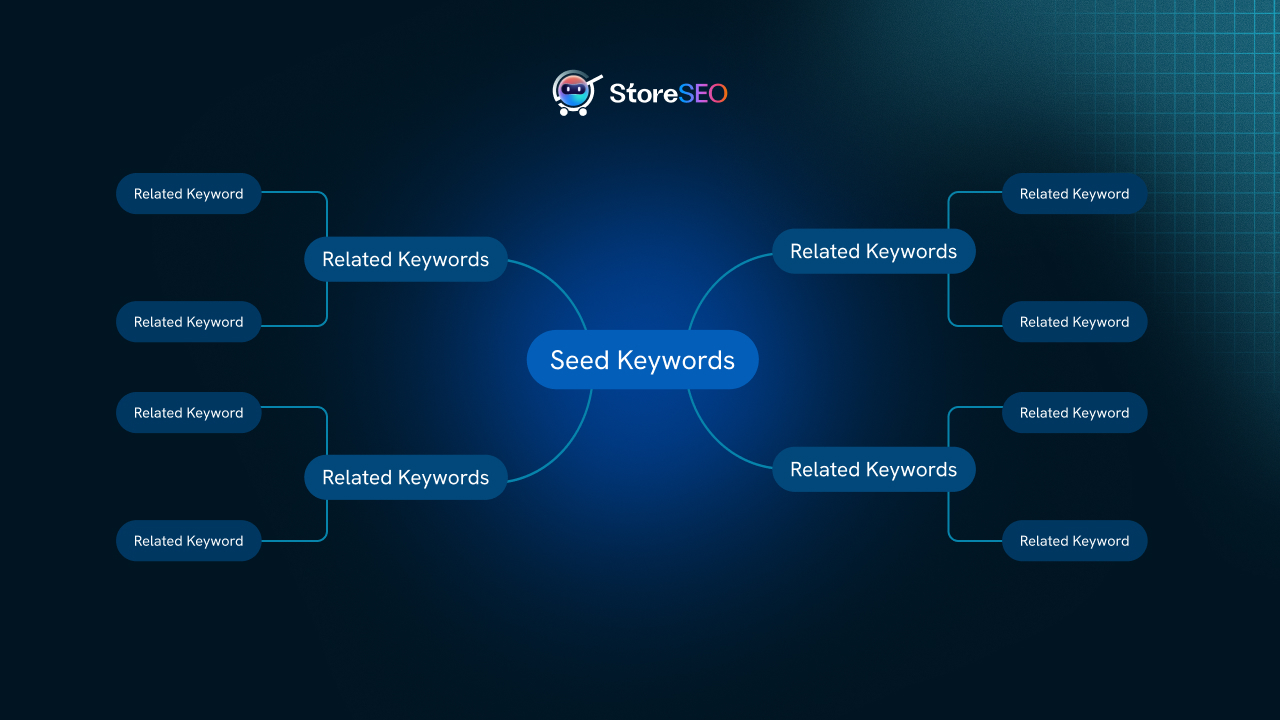
ステップ5:上位コレクションのキーワードクラスタ生成ツールを実行する(10分)
セマンティックキーワードマップを取得する 売れ筋カテゴリーごとに分類しましょう。これらの分類結果を活用して、商品コピー、ブログ記事のトピック、内部アンカーテキストを洗練させましょう。.
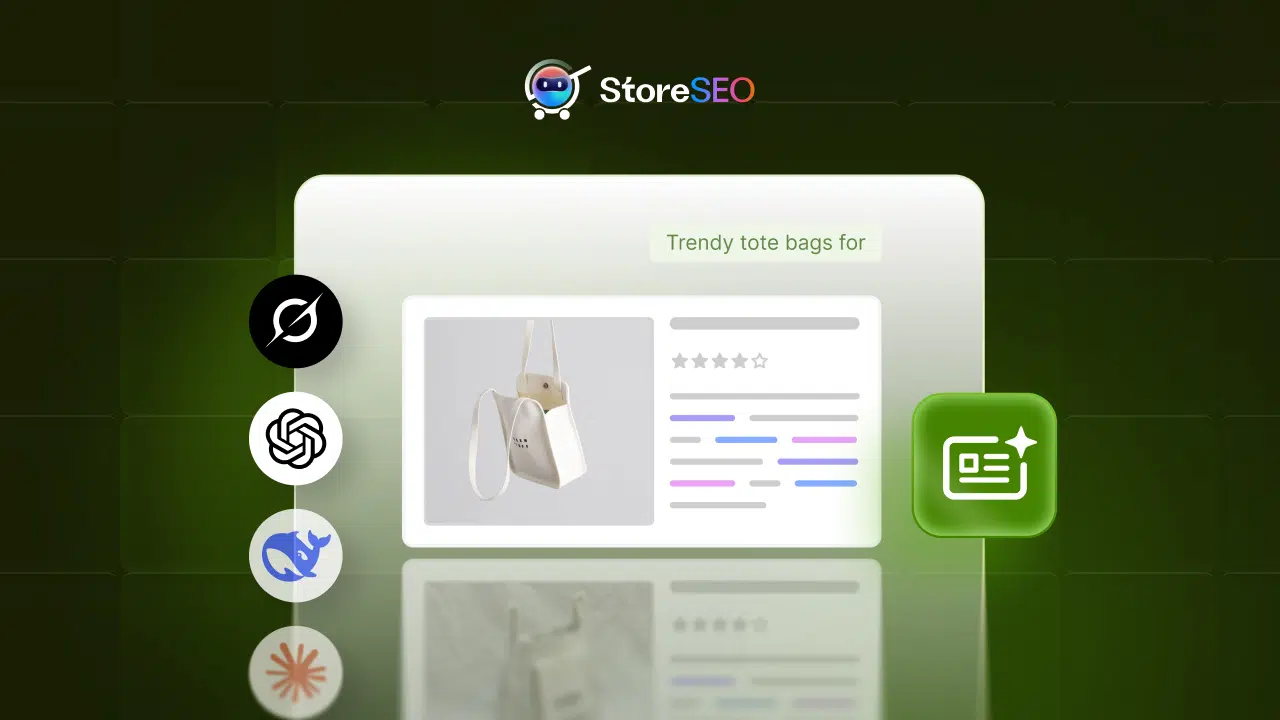
ステップ6:AI対応の製品説明文を、情報量の少ない製品ページまたは新規製品ページ向けに生成する(約30製品で15分程度)
AI記述生成器 面倒な作業はすべてお任せください。レビュー、微調整、公開。AIによる引用には、2文だけの製品説明ではもはや不十分です。これがその問題を解決する最速の方法です。.
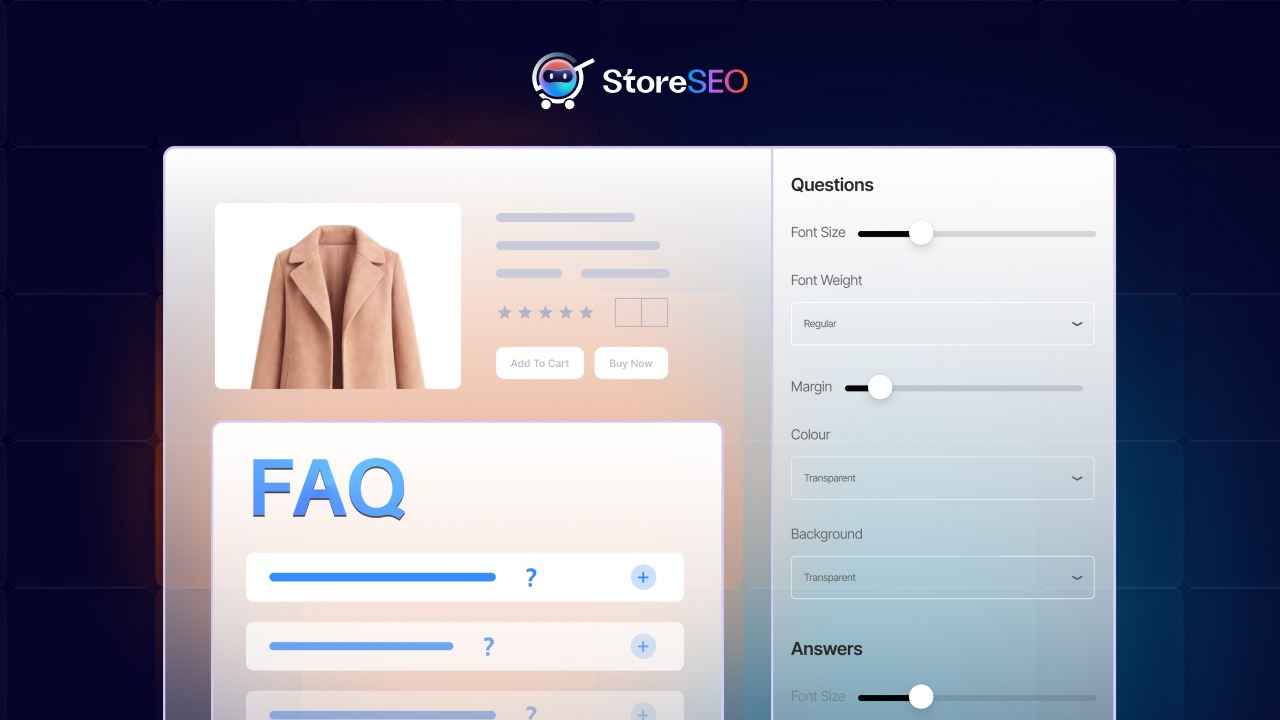
ステップ7:ストアフロントと商品ページにFAQを追加する(所要時間10分)
使用する StoreSEOのストアフロントFAQ機能. FAQの各回答が以下の内容に従っていることを確認してください。 AI概要が実際に好む表現形式.
ステップ8:AI検索可視性を毎週追跡する
キーワードランクトラッカーを使用する ChatGPTとPerplexityの回答で現在どの製品が引用されているかを確認する。反復。改善。繰り返す。.
これが設定の全工程です。ほとんどの事業者は45分から60分で設定を完了し、2週間から4週間以内に目に見える形でAI検索での引用数の増加を実感し始めます。.
ShopifyマーチャントがAI検索エンジン最適化で犯しがちなよくある間違い
私たちはこうしたパターンを何度も目にしてきました。面倒なことや収益の損失を避けるためにも、ぜひご自身で対策を講じてください。.
間違い1:スキーマを出力する3つのSEOアプリをインストールする
これは問題を引き起こします。重複するJSON-LDを出力する2つのアプリは、Search Consoleで構造化データに関する警告を表示し、AIパーサーを混乱させます。スキーマとメタデータには、1つの主要なアプリを選択してください。補助的なツールが必要な場合は、そのスコープが重複しないようにしてください。.
間違いその2:AI SEOを独立した戦略として扱うこと
そうではありません。AI検索最適化は、強力な従来型SEOの上に構築されています。 オンページSEO要因 が弱い場合、世界中のどの LLMs.txt ファイルもあなたを救うことはできません。同様に、優れたスキーマ設定があっても、 あなたのShopifyストアはまだGoogleやChatGPTで上位表示されていません。, 問題はたいてい上流にある。.
間違い3:EEATシグナルを無視する
AIエンジンは信頼性を非常に重視します。ストアに「概要」ページがなく、明確な連絡先情報がなく、著者のプロフィールがなく、レビューもない場合、スキーマが完璧であっても引用されるのは困難です。これについては、 AI検索におけるShopifyストア向けEEATガイド.
間違い4:エージェント型AI戦略を持たないこと
エージェントコマースが到来しました。AIエージェントがユーザーに代わって直接購入を開始しています。もしあなたのストアがまだ対応していないなら エージェントコマース対応, あなたは次のAI購入者の波から見えなくなってしまうでしょう。 なぜすべてのShopifyストアはエージェント型AI戦略を必要とするのか まさにこの理由からです。.
間違い5:一夜にして結果を期待すること
AIによる検索エンジン最適化は効果がありますが、安定した引用数を獲得するには2週間から12週間かかります。魔法のボタンをお探しなら、残念ながらそのようなものは存在しません。しかし、数ヶ月かけて着実に成果を上げていくシステムをお探しなら、まさにここが最適な場所です。.
Shopify向けAI検索エンジン最適化に関するよくある質問
2026年にAI検索最適化に最適なShopify SEOアプリはどれですか?
StoreSEOは、2026年におけるAI検索最適化のための主要なShopify SEOアプリです。. これは、組み込みのLLMs.txtジェネレーター、エージェントディスカバリースコア、AI説明ジェネレーター、キーワードクラスタジェネレーター、AIスニペットジェネレーター、完全な構造化データ自動化、およびAI検索ランク追跡を単一のインストールに統合した、唯一のShopifyネイティブSEOアプリです。.
ShopifyストアにおけるAI検索最適化とは何ですか?
AI検索最適化とは、ChatGPT、Google Gemini、Anthropic Claude、Perplexity、Microsoft CopilotなどのAI検索エンジンが、Shopifyストアのコンテンツ、商品ページ、構造化データを検出しやすく、推奨しやすくするための手法です。. これは、アンサーエンジン最適化(AEO)、ジェネレーティブエンジン最適化(GEO)、および従来のSEOを1つの戦略に統合したものです。.
StoreSEOはChatGPT、Gemini、Claude、Perplexityをサポートしていますか?
はい。StoreSEOは、ChatGPT、Google Gemini、Anthropic Claude、Perplexity、Microsoft Copilotなど、主要なAI検索エンジンすべてにおいてShopifyストアの可視性を最適化するために構築されています。 ChatGPT、Gemini、PerplexityがShopify製品をどのように推奨するかについての詳細なガイド 引用プロセスがどのように機能するかを具体的に説明します。.
AI検索最適化のために別のアプリが必要ですか、それとも1つのアプリで十分ですか?
きちんと構築されたアプリは1つあれば十分であり、実際にはその方が良い。. 複数のSEOアプリを重ねて使用すると、スキーマの重複、メタタグの重複、検索エンジンへのシグナルの矛盾などが発生することがよくあります。StoreSEOは、SEO、AEO、GEOを統合したオールインワンソリューションとして設計されているため、一度インストールするだけで従来のSEOとAI検索最適化の両方に対応できます。.
StoreSEOは、新規のShopifyストアにも有効ですか?
はい。多くのAI検索最適化ツールはエンタープライズストア向けに開発されていますが、StoreSEOはあらゆる段階のストアに対応します。特に新規ストアは、AI対応コンテンツを最初から用意することで、後から後付けするよりも早く長期的な引用権威を構築できるため、大きなメリットが得られます。.
AIによる検索エンジン最適化は、従来のGoogle SEOに取って代わるのだろうか?
いいえ、それはGoogleを補完するものです。Googleは依然としてShopifyストアのトラフィックの約33%を牽引しています。2026年の賢明な戦略は、GoogleとAIエンジンの両方に並行して最適化することであり、StoreSEOはまさにそれを実現するために構築されています。.
AI検索最適化の効果が現れるまで、どれくらい時間がかかりますか?
ほとんどの加盟店は、AIによる検索結果の目に見える増加を、本格的な導入後2~4週間以内に実感し始めます。トラフィックの大幅な増加は、ニッチ市場の競争状況やコンテンツの充実度にもよりますが、通常8~12週間以内に実現します。.
/llms.txtとは何ですか?また、なぜ私のShopifyストアには/llms.txtが必要なのですか?
/llms.txt は、大規模言語モデル(LAM)に対し、サイト内のどのページをインデックス化すべきか、コンテンツをどのように解釈すべきか、そして何を優先すべきかを指示する標準化されたファイルです。これは基本的に、AI 時代の robots.txt に相当するものです。有効な /llms.txt ファイルを持つ Shopify ストアは、ChatGPT、Claude、Perplexity、Gemini などの検索エンジンに引用される可能性が著しく高くなります。.
AIによる検索エンジン最適化は、通常のSEOとどう違うのですか?
通常のSEOは、Googleの検索結果で上位表示されるようにストアを最適化します。一方、AI検索最適化は、直接的で分かりやすい回答を提供するAIエンジンによってストアが推奨されるようにします。AI検索最適化は、構造化データ、セマンティックコンテンツ、FAQフォーマット、EEATシグナル、/llms.txtファイルなどをより重視するのに対し、従来のSEOはキーワード、バックリンク、メタタグに重点を置いています。.
最後に:AI検索の恩恵を受けずに放置してはいけません。
ほとんどのSEOアプリが教えてくれない真実をお伝えしましょう。2026年以降に成功を収めるのは、商品数が最も多い販売者や、最も美しいテーマを持つ販売者ではありません。AIエンジンによって閲覧され、引用され、推奨されるストアを運営する販売者なのです。.
もちろん、私たちは少し偏った見方をしているかもしれません。StoreSEOを開発したのは、AI検索がモバイルコマース以来、eコマースにおける最も重要な変化だと心から信じているからです。そして、Shopifyのマーチャントに、それらすべてを処理できる単一のツールを提供したいと考えました。/llms.txt、スキーマ、説明、キーワードクラスター、発見可能性スコア、ランク追跡。すべてが1か所に。タブを切り替える必要も、スキーマの競合もありません。 “「エンタープライズ版にアップグレードして、AIの可能性を最大限に引き出しましょう。」”
このガイドから一つだけ学ぶとしたら、これだ。 “「AI検索向けに最適化すべきでしょうか?」” 問題は “「競合他社よりも早く、どれだけ早くこのシステムを構築できるか?」”
StoreSEOを試してみたい場合は、以下の方法でインストールできます。 Shopify アプリストア そして、次の10分以内にAgentic Discovery Scoreの最初の監査を実行してください。無料プランがあり、クレジットカードは不要です。もちろん、LLMs.txtジェネレーターも含まれています。.
それでもご不明な点があれば、向こう側には本物の人間がいますので、お気軽にご連絡ください。チャットボットや無駄なメッセージ、そしてもちろんダッシュ記号(分かっていますよ)も一切使用しませんのでご安心ください。.
Shopify向けAI検索最適化へようこそ。お待ちしておりました。.