
If a shopper types a question into Google like, “What is the best eco-friendly water bottle for hiking?” and your Shopify product page pops up as the direct answer. No scrolling, no clicking through ten links, just your product, front and center, solving their problem instantly.
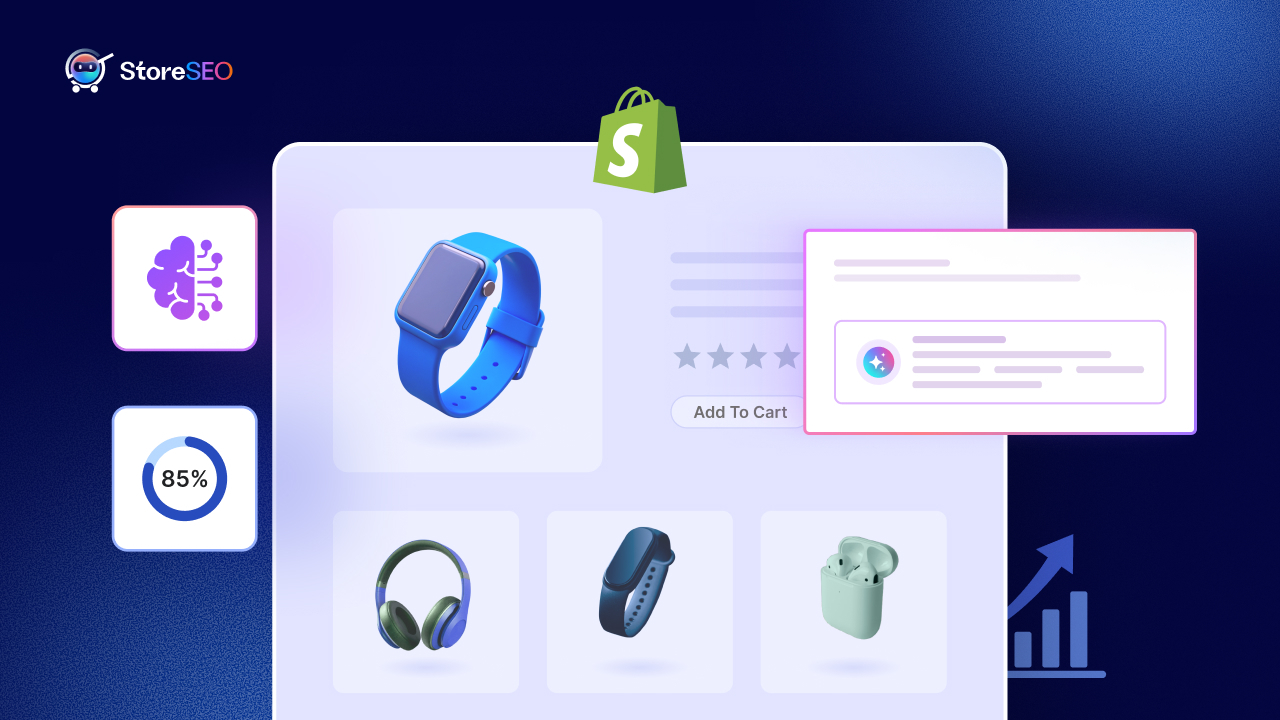
That is the power of AI answer engines (like Google’s AI Overviews or Bing Copilot), and it is changing how customers discover and buy products online. But here is the catch: if your product descriptions are still stuck in 2015 (looking at you, generic bullet points and fluffy adjectives), you are invisible to these smart systems.
You just need to write product descriptions that speak both to real humans and the AI that serves them. In this post, we will show you exactly how to structure your Shopify product descriptions so they are primed to rank, convert, and get featured straight from the source. Let us get your store ready for the future of search!
Understanding AI Answer Engines And Their Role in eCommerce
Artificial Intelligence (AI) has begun to transform the way people discover products, compare options, and make purchasing decisions. Among the most influential developments in this shift is the rise of AI answer engines.
Unlike traditional search engines that display lists of links, answer engines aim to provide direct, conversational, and highly contextual answers to user queries.
This subtle but important difference is changing how online customers interact with brands and products, especially in the eCommerce world.
AI answer engines, such as Google’s AI Overviews, Microsoft’s Copilot in Bing, and emerging voice-based assistants, use complex large language models (LLMs) to interpret a user’s intent.
Instead of matching exact keywords, these systems analyze meaning, relationships between entities, and contextual clues.
It means a user could type or ask a question like “What is the best lightweight laptop for travel?” and receive a detailed summary of recommended products—sometimes with links to purchase directly.
The response appears as a conversational summary rather than a list of blue hyperlinks, blending AI reasoning with real-time search data.
To understand their role in eCommerce, it helps to look at what makes answer engines different from the traditional search model:
- Intent-aware results: These systems understand user intent far more deeply. A searcher asking “best running shoes for flat feet” is not just looking for shoe brands but for specific comfort, arch support, and reviews—all of which AI answer engines condense into a usable insight.
- Summarized answers: Users receive synthesized data from multiple sources, helping them make decisions faster without scrolling through dozens of pages.
- Integrated buying paths: Many AI answer engines already test links that connect directly to eCommerce pages, shortening the path from inquiry to conversion.
- Contextual personalization: Using data such as user behavior, location, and purchase history, answer engines refine their responses to suit individual preferences.
In eCommerce, this shift matters deeply because it alters how visibility, discovery, and conversions work.
Retailers and brands are no longer competing only for top ranking positions on search result pages, they must now optimize their presence for AI-generated summaries.
Entities, product data, and structured markup have become vital tools for ensuring that an AI engine can understand and feature a brand’s offerings.
For instance, if a Shopify store structures its product details with schema markup and uses descriptive language aligned with buyer intent, it is more likely to be cited in an AI-driven response.
Moreover, the emergence of AI answer engines is leading to a zero-click environment, where customers find their answers before ever visiting a website.
This may reduce organic traffic but increase brand exposure in other ways, such as citation within the AI’s summarized responses.
For Shopify store owners, it demands a new type of optimization—what many now call Answer Engine Optimization (AEO).
It involves blending SEO, entity enhancement, and content structuring techniques so AI systems can pull accurate, appealing data about a brand’s products.
Why Structuring Product Descriptions Matters for AI Optimization
The way a product description is written is no longer just about persuading human readers. It also plays a key role in how artificial intelligence systems, from Google’s AI overviews to virtual shopping assistants, understand, categorize, and recommend products.
Structuring product descriptions properly ensures that both algorithms and humans can easily interpret what a product is, why it matters, and when it should appear in a customer’s search journey.
A well-structured product description acts like a map. It helps AI systems connect key product attributes, identify relevant search intents, and build an accurate understanding of what the product represents.
This is especially important because modern search engines use large language models and entity recognition to organize and display information rather than relying solely on keywords.
The Role of Structure in AI Understanding
AI systems analyze product pages by breaking down the content into semantic elements.
These include the title, specifications, features, benefits, use cases, and contextual signals around the product. When descriptions follow a consistent structure, it becomes easier for AI to extract meaning and connect the product to relevant queries.
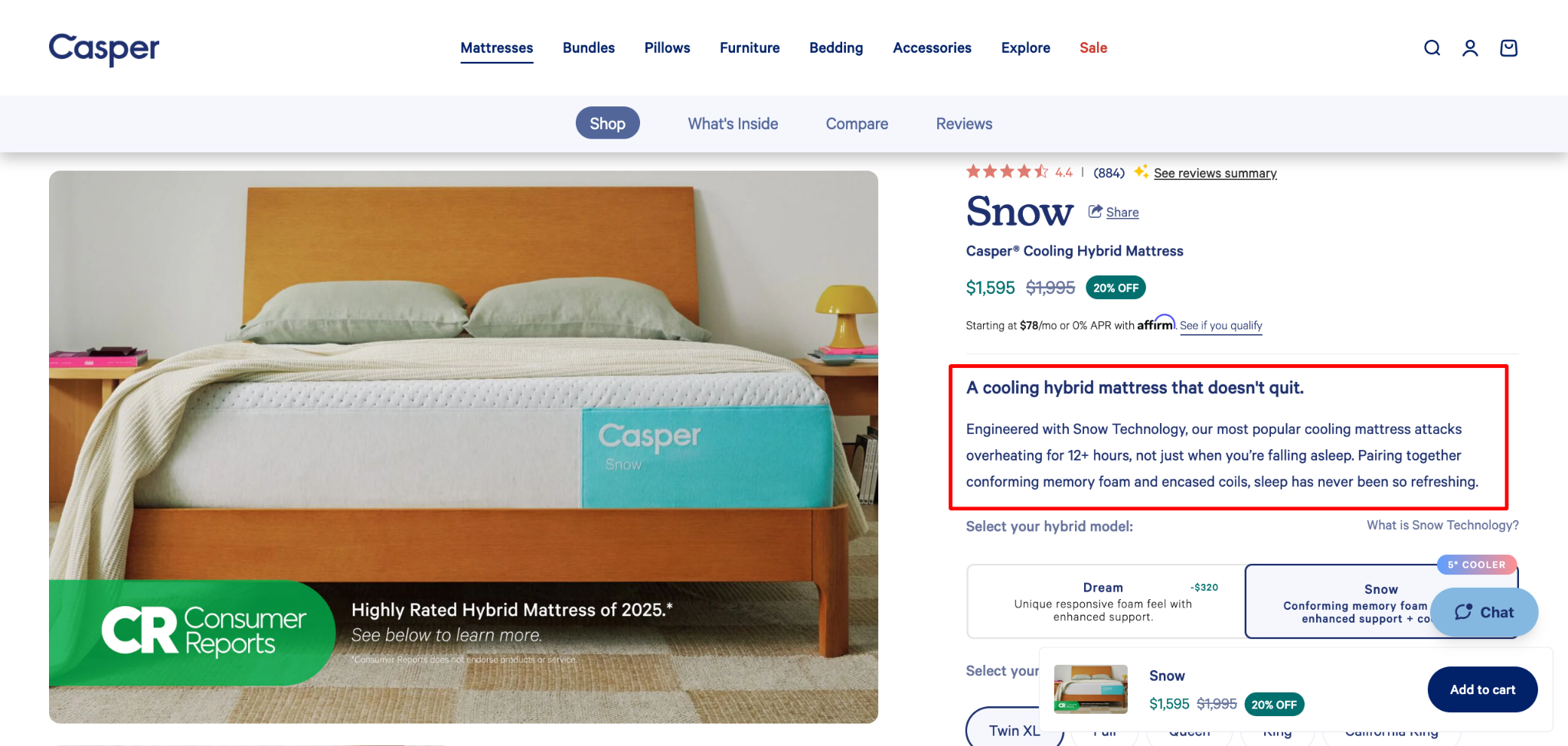
For Example: Casper
A clear structure usually includes:
- Product title: A concise, entity-rich phrase that defines what the product is.
- Feature bullets: Short, easy-to-read points highlighting key attributes.
- Descriptive paragraph: A detailed explanation focusing on how the product solves a problem or fits into the buyer’s life.
- Use cases and context: Real-world applications that help AI understand intent-based relationships.
Without structure, even a great description can become invisible to AI systems because they struggle to interpret disorganized or unformatted content.
Enhancing Visibility in AI-Powered Search
Structured product descriptions are essential for visibility in AI-driven search environments. Features like Google’s AI Overviews, Amazon’s search algorithms, and Shopify’s semantic engines all rely on structured data and clean sentence patterns to form their recommendations.

Key benefits include:
- Better contextual ranking: AI understands the relevance of a product more effectively when the content follows a logical hierarchy.
- Improved entity recognition: Structured information helps algorithms classify the product correctly within a category or attribute cluster.
- Enhanced discoverability: Rich structure makes it easier for search engines to generate snippets, product cards, and image pairings.
Each part of the structure supports AI comprehension, allowing the system to respond accurately to user intent.
Building Trust and Clarity for Humans And Machines
Structure benefits both human readers and AI in perfectly aligned ways. For users, it improves readability and builds trust by presenting information in a clear, professional format. For AI, it serves as a clean data model that reduces ambiguity and improves indexing quality.
A well-optimized structure should:
- Use consistent headings and subheadings.
- Separate features from benefits for easier scanning.
- Integrate SEO schema markup to help AI identify key product attributes.
- Maintain a natural flow that mirrors how customers read and compare items.
Ultimately, structured product descriptions bridge the gap between machine understanding and human engagement. They make product pages both algorithm-friendly and experience-driven, which is exactly how modern AI-powered search systems reward quality content.
Core Elements of AI‑Optimized Product Descriptions
An AI‑optimized product description combines linguistic precision with structured information. It uses natural language processing and SEO strategies to present every detail in a way that strengthens relevance, readability, and ranking power.
1. Clear Product Understanding And Data Structuring
The foundation of an effective AI‑optimized description begins with deep product understanding. Before any content optimization, accurate data about the item must be collected, organized, and structured.
- Include essential attributes such as size, material, color, features, and price.
- Ensure these details align consistently across product titles, meta descriptions, and structured data.
- Use schema markup to help AI and search engines interpret product information clearly.
When a product’s data is well structured, AI systems can easily extract and display the most relevant information in search results, voice assistants, and AI-generated summaries.
2. Targeted Keyword And Semantic Optimization
AI does not just look for repetition of a keyword; it analyzes meaning and context. This is where semantic optimization becomes crucial.
Instead of focusing on one keyword phrase, the description should include related entities and contextually linked terms that make the content more natural and informative.
- Use primary and secondary keywords that reflect the buyer’s intent.
- Integrate semantically related words that define how customers would describe or search for the item.
- Maintain natural sentence flow while ensuring strategic keyword placement in headings and bullet points.
This approach helps a product rank not only for its main keyword but also for a network of relevant search queries that AI systems consider equally meaningful.
3. Engaging Yet Informative Writing Style
AI‑optimized descriptions must balance clarity with appeal. While algorithms evaluate structure and semantics, human readers look for clarity and tone. A description that merely lists features often fails to convince or connect with potential shoppers.
- Begin with a short, benefit-driven statement that captures attention.
- Use active sentence structures that highlight how the product helps the user.
- Blend factual information with emotional triggers, such as convenience, comfort, or reliability.
An engaging description builds trust and creates emotional connection while remaining factual and relevant, two qualities AI systems tend to reward.
4. Structured Layout for Readability
Readability plays a key part in AI optimization. Search algorithms evaluate how easily content can be understood and scanned by readers. Well-organized formatting improves both visibility and engagement.
- Use bullet points for key specifications and major benefits.
- Break long paragraphs into smaller, easy-to-read sections.
- Place important details near the beginning of the description to match scanning behavior.
Such a structure not only improves the reading experience but also helps AI interpret topical relevance more efficiently.
5. Integration of Natural Language And Tone Adaptation
Artificial intelligence now evaluates how naturally a description mimics human speech and writing patterns. Content that feels robotic or overly technical is less effective for readers and may underperform in AI-driven results.
- Maintain a conversational yet professional tone.
- Avoid jargon unless it adds necessary technical precision.
- Adapt tone depending on the target audience—luxury buyers, casual shoppers, or tech enthusiasts.
Natural language reflects authenticity, which modern search and recommendation systems recognize and reward.
6. Visual and Contextual Enrichment
AI optimization also extends beyond text. Search engines and AI systems analyze accompanying visual data, alt text, and contextual signals that support the written description.
- Include high-quality images with descriptive alt tags and filenames.
- Add context through short stories, usage scenarios, or compatibility details.
- Connect the product’s use or value with related lifestyle themes to enhance discovery potential.
Rich context increases user engagement and signals topical depth, both essential for visibility in AI-powered search environments.
7. Consistent Brand Voice And Trust Elements
Trust is a powerful conversion factor, and AI increasingly prioritizes sources that demonstrate authority and consistency. Every product description should reflect the same tone, vocabulary, and structure that align with the brand identity.
- Keep style guides uniform across all descriptions.
- Reinforce trust with verified specifications, certifications, or reviews.
- Update outdated product data regularly to maintain factual integrity.
Consistency strengthens the brand’s digital footprint and improves its chances of being surfaced by AI systems in answer-focused or shopping-based search experiences.
10 Tips for Structuring Your Shopify Product Descriptions
Creating a great product description on Shopify is not only about listing features. It is about convincing customers that the product adds real value to their lives.
A well-structured description helps search engines understand the content better, improves conversions, and gives shoppers the clarity and trust they need before making a purchase.
Below is a step-by-step breakdown of how to structure Shopify product descriptions that attract attention and drive sales.
1. Begin with a Strong Product Title
The product title is the first element customers see. It must be simple, descriptive, and keyword-rich without sounding forced. A clear title helps the audience instantly understand what the item is and increases visibility on Shopify and Google search.
Good product titles include:
- The brand name (if applicable)
- The key product type
- A defining detail such as size, color, or purpose
Example: Organic Cotton Oversized T‑Shirt – White Premium Fit
This approach provides both clarity and search optimization.
2. Start with a Catchy Opening Line
The opening line sets the tone for the description. It should naturally spark interest and invite readers to explore the details. This part often determines whether a potential buyer continues reading or clicks away.
A good opening statement typically does one of the following:
- Highlights a key benefit or emotional reason to buy
- Addresses a common pain point and promises a solution
- Describes how the product fits into the customer’s lifestyle
Example: Designed for comfort and effortless style, this organic cotton t‑shirt keeps you cool all day while reducing environmental impact.
3. Explain Key Features And Benefits Clearly
After capturing attention, the next step is to explain what makes the product unique. This section should combine product features (what it has) with benefits (why it matters).
Consider separating this information:
- Use short bullet points for clarity
- Highlight 3–5 major features
- Focus on benefits that connect emotionally to the shopper
Example of structure:
- Material: 100% certified organic cotton for breathability and softness
- Fit: Relaxed cut that maintains structure after washing
- Value: Ethically produced and eco-friendly
This balance ensures both factual and persuasive elements are covered effectively.
4. Add Sensory And Emotional Details
Descriptions that appeal to the senses and emotions perform better. Customers cannot touch, smell, or feel the product online, so words must recreate that experience.
Writers can describe textures, comfort, taste, or visual appeal to help the reader imagine owning the product. Emotional triggers also work well, such as describing confidence, relaxation, or pride someone might feel when using it.
Example: Experience the smooth texture and natural feel of soft cotton against your skin. Each wear feels like slipping into your favorite weekend essential.
5. Include Technical Details And Specifications
Products like electronics, apparel, or accessories require technical information. This builds credibility and ensures customers know exactly what they are buying.
Common details include:
- Dimensions, weight, or size chart
- Material composition
- Compatibility (for tech or gadget products)
- Care instructions
Adding these details also decreases returns because the customer has a complete understanding before purchasing.
6. Use SEO Keywords Naturally
Search optimization plays a vital role in Shopify product pages. However, stuffing keywords can make content look forced. The goal is to insert primary and related keywords naturally in the title, opening line, and a few spots within the description.
Including synonyms, descriptive phrases, and semantic keywords helps search engines understand context while keeping the language smooth and user-friendly.
Example: Instead of repeating “white cotton t‑shirt” several times, variations like “premium cotton top,” or “sustainable wardrobe essential” can be used to maintain flow.
7. Add a Persuasive Call‑to‑Action
Once shoppers have read through the details, a clear call‑to‑action (CTA) helps guide them toward purchase. A CTA should be direct, benefit-focused, and in tune with the overall tone of the brand.
Examples include:
- Add to Cart and Experience Comfort Today
- Get Yours Before It Sells Out
- Upgrade Your Wardrobe with Sustainable Basics
This section should create a sense of urgency or excitement without sounding pushy.
8. Build Trust with Additional Information
Trust is essential in online shopping. Adding information about returns, shipping, warranties, or certifications reassures customers that they are making a safe purchase.
For instance, a simple line such as “Free returns within 30 days” or “Certified by Global Organic Textile Standard (GOTS)” can significantly improve conversion rates.
9. Format for Readability
The structure of a Shopify description directly affects how easily it can be read and understood. Modern shoppers scan text rather than read every line. Good formatting helps key points stand out and improves engagement on both desktop and mobile.
Formatting best practices include:
- Short paragraphs (2–3 lines each)
- Bullet points for quick reading
- Bold or italic emphasis for important terms
- Clear section spacing
Readable descriptions keep shoppers hooked and lead them closer to checkout.
10. Use High‑Quality Visual Support
Even though the focus is text, visual elements play an equal role. Product images, videos, or GIFs can reinforce the message the description communicates. Showing how the product looks, fits, or works in real-life use gives customers the final push to buy.
Rank Your Products on AI Search Results And Drive Profit
AI search engines like ChatGPT, Google AI Overviews, and Perplexity now dominate product discovery, pulling direct recommendations from structured eCommerce sites rather than traditional link lists. Businesses rank products higher by making pages AI-readable through schema markup, detailed descriptions, and conversational content that matches buyer queries. Experts emphasize that product schema boosts visibility by 35% in AI-generated shopping carousels (according to mikekhorev, turning zero-click searches into citations and traffic).
Key Takeaways
- AI answer engines like Google AI Overviews and Bing Copilot are transforming how shoppers discover and purchase products.
- Unlike traditional search, answer engines deliver direct, conversational, and intent-aware responses.
- Structured product data and schema markup are crucial for visibility in AI-generated summaries.
- Answer Engine Optimization (AEO) combines SEO, entity enhancement, and structured content to improve AI discoverability.
- Well-structured product descriptions help AI understand, categorize, and recommend products accurately.
- Titles, bullet points, and context-rich paragraphs make descriptions both human- and machine-friendly.
- Semantic optimization matters more than keyword repetition; focus on meaning and buyer intent.
- Consistency in product tone, data accuracy, and schema markup builds brand trust and authority.
- Readable layout and sensory language improve user experience and AI comprehension alike.
- Shopify stores that structure and enrich product content rank higher in AI-driven shopping results.